
Avian Intestinal Spirochaetosis: Poultry Guide
Understanding the Brachyspira threat to poultry: symptoms, spread, diagnosis, and control strategies for healthier flocks.
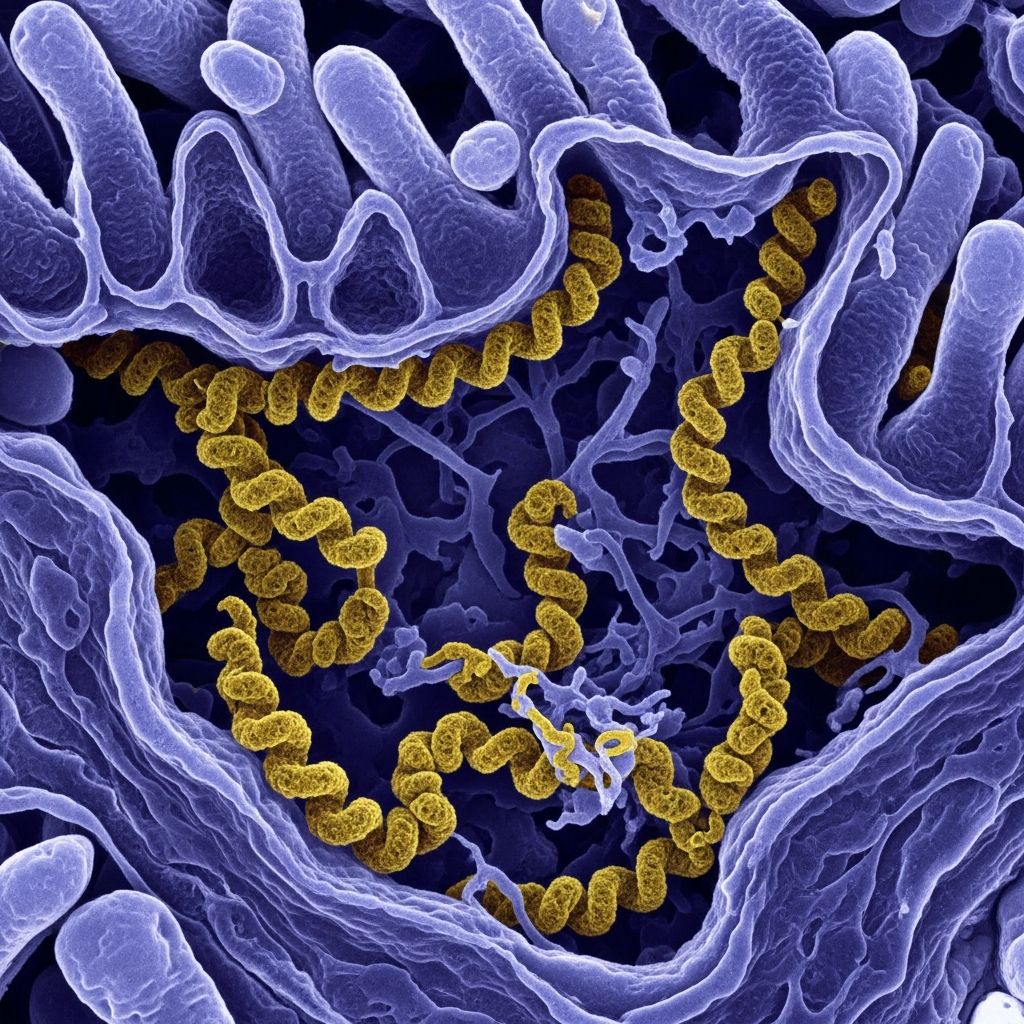
Avian intestinal spirochaetosis (AIS) represents a significant challenge in the poultry sector, primarily affecting chickens through infection by anaerobic spirochete bacteria from the genus Brachyspira. These pathogens target the lower digestive system, disrupting normal gut function and leading to economic repercussions for producers worldwide.
The Pathogens Behind the Disease
At the core of AIS are several Brachyspira species, with Brachyspira pilosicoli, B. intermedia, and B. alvinipulli identified as the chief culprits in poultry outbreaks. These Gram-negative, spiral-shaped microbes thrive in the oxygen-poor environment of the cecum, ileum, and colon, where they attach to epithelial cells using their unique end-attached flagella. Unlike non-pathogenic relatives such as B. innocens or B. murdochii, these strains induce inflammation and impair nutrient absorption, exacerbating flock health issues.
Genetic analyses reveal close relatedness among poultry, swine, and human isolates of B. pilosicoli, raising alarms about cross-species adaptability and potential zoonotic risks, though human cases remain infrequent. The rise in detections correlates with regulatory shifts, like the EU’s 2006 antibiotic growth promoter ban, which has allowed opportunistic proliferation in intensive systems.
Recognizing Clinical Manifestations
Symptoms typically emerge in layers over 10 weeks old or broilers nearing market age, manifesting as persistent diarrhea with feces appearing yellowish-brown, mucoid, foamy, and lipid-rich—often dubbed “cappuccino feces” due to gas bubbles. Affected birds show cloacal pasting, weight stagnation, and lethargy. In layers, egg output drops by 10-20%, with smaller eggs featuring thin shells, pale yolks, and fecal contamination.
- Common signs: Foamy, discolored droppings; pasty vent; reduced feed efficiency.
- Production impacts: Delayed lay onset in pullets; lighter progeny from breeders.
- Severe cases: Mucus/blood in feces; 5-10% mortality if unmanaged.
Young chicks may exhibit poor growth, while subclinical infections silently erode performance metrics like feed conversion ratios.
Transmission Dynamics in Flocks
AIS spreads primarily via the fecal-oral pathway, with infected manure contaminating litter, water, or equipment. Birds shed vast spirochete loads, facilitating rapid flock-wide dissemination in high-density housing. Mechanical vectors like footwear, tools, or personnel amplify transfer between houses or farms.
Unlike tick-vectored spirochetoses (e.g., Borrelia anserina), AIS relies on direct environmental persistence, thriving in moist, warm conditions common to broiler and layer operations. Risk spikes during weaning or peak production when stress compromises immunity. Global surveillance notes upticks in Europe, Australia, and North America, linked to improved diagnostics like multiplex PCR.
Pathological Changes in Affected Birds
Upon autopsy, the cecum reveals thickened walls, dilated lumens filled with frothy, mucoid contents, and a corrugated mucosa fringed with spirochetes visible under dark-field microscopy. Histology shows epithelial cell invasion, microvillus loss, and lymphocytic infiltration, impairing water reabsorption and nutrient uptake. Secondary bacterial overgrowth often compounds damage, leading to malabsorption and dehydration.
| Organ | Typical Lesions |
|---|---|
| Cecum/Colon | Dilated, thickened; adherent spirochetes; foamy exudate |
| Ileum | Mild catarrh; crypt hyperplasia |
| Liver/Kidney | Occasional pallor from dehydration (rare) |
Diagnostic Approaches for Confirmation
Presumptive diagnosis stems from clinical signs and flock history, but confirmation demands targeted tests. Fecal PCR detects Brachyspira DNA with species-specific primers, offering sensitivity over culture, which requires anaerobic conditions and selective media. Warthin-Starry silver staining on cecal scrapes visualizes the characteristic 5-10 μm spirals tightly bound to enterocytes.
Multiplex assays distinguish pathogenic from commensal strains, crucial for targeted interventions. Serology plays a minor role due to cross-reactivity. Early detection via pooled samples minimizes spread in large operations.
Treatment Strategies and Antimicrobial Use
Antibiotics remain the frontline response, with success against sensitive strains. Common choices include tiamulin, tylosin, and pleuromutilins administered via feed or water for 3-5 days, restoring gut health and production. Resistance monitoring is vital, as Brachyspira can harbor mobile genetic elements.
Post-treatment, monitor via repeat PCR to confirm clearance. Supportive care—electrolytes, probiotics—bolsters recovery. Regulatory restrictions on prophylactics underscore therapeutic precision.
Prevention and Control Measures
Proactive biosecurity curtails AIS: all-in-all-out systems, footbaths, dedicated gear, and litter management reduce fecal buildup. Vaccination trials show promise, though commercial products lag; autogenous bacterins offer flock-specific protection.
Enhance ventilation and drainage to deter moisture-loving spirochetes. Breed for gut resilience and phase-feed to optimize microbiota. Routine screening identifies subclinical carriers, enabling culling or isolation.
Economic and Welfare Implications
AIS erodes profitability through 5-15% production losses, higher feed costs, and cull rates. In layers, egg quality downgrades slash market value; broilers face condemnation. Welfare suffers from chronic discomfort and dehydration, prompting scrutiny under animal health standards.
Post-antibiotic era, integrated management—nutrition, hygiene, monitoring—cuts incidence by 70% in model farms.
Emerging Challenges: Zoonosis and Resistance
While primarily avian, B. pilosicoli‘s genetic overlap with human colonic isolates sparks zoonotic debate. Contaminated meat poses theoretical risks, though cooking mitigates. Antimicrobial resistance, driven by selection pressure, demands stewardship and novel therapies like bacteriophages.
Frequently Asked Questions (FAQs)
What causes avian intestinal spirochaetosis?
Mainly Brachyspira pilosicoli, B. intermedia, and B. alvinipulli colonizing the lower gut.
How do I spot AIS in my flock?
Look for foamy diarrhea, pasty vents, weight loss, and egg production drops.
Can AIS spread between farms?
Yes, via contaminated equipment, boots, or birds.
Is there a vaccine for AIS?
No commercial vaccine yet; research ongoing with autogenous options.
How to treat AIS effectively?
Use tiamulin or tylosin per vet guidance, plus hygiene.
Future Directions in Research
Ongoing studies probe microbiome modulators, phage therapy, and genomics for resistance prediction. Global networks track strain evolution, informing policy amid climate-driven farming shifts.
References
- Brachyspira pilosicoli-induced avian intestinal spirochaetosis — PMC/NCBI. 2015. https://pmc.ncbi.nlm.nih.gov/articles/PMC4683989/
- Avian Intestinal Spirochaetosis — Hendrix Genetics. 2023-12-14. https://layinghens.hendrix-genetics.com/en/articles/avian-intestinal-spirochaetosis/
- Avian Spirochetosis – Poultry — Merck Veterinary Manual. N/A. https://www.merckvetmanual.com/poultry/avian-spirochetosis/avian-spirochetosis
- Scientists warn of rising threat as poultry disease shows signs of jumping to humans — News-Medical.net. 2025-06-23. https://www.news-medical.net/news/20250623/Scientists-warn-of-rising-threat-as-poultry-disease-shows-signs-of-jumping-to-humans.aspx
Similar Articles








Read full bio of Sneha Tete


