
Avian Encephalomyelitis: Causes, Symptoms, Prevention
Understand the viral threat causing tremors and paralysis in young birds, with insights on prevention and economic impacts.
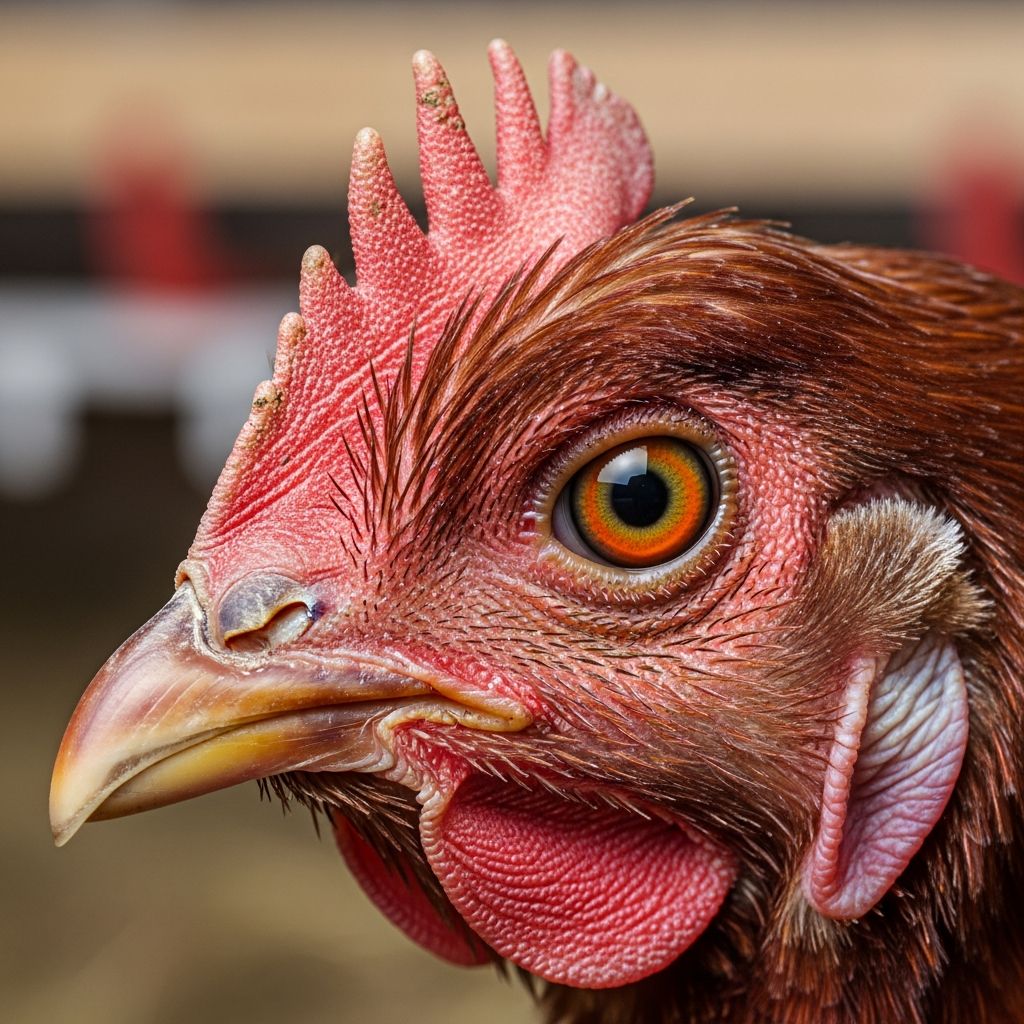
Avian encephalomyelitis (AE), commonly known as epidemic tremor, represents a significant viral challenge in poultry production worldwide. This disease targets the central nervous system (CNS) of young birds, particularly chickens, turkeys, quail, and pheasants, resulting in progressive neurological deficits that can devastate flocks and cause substantial economic setbacks.
The Nature of the Causative Agent
The pathogen behind AE is the avian encephalomyelitis virus (AEV), classified within the Picornaviridae family, genus Tremovirus, species tremovirus A. This non-enveloped RNA virus exhibits enterotropic properties, meaning it primarily replicates in the intestinal tract before disseminating to the CNS. Natural strains thrive in the bird’s gut, with infected individuals shedding the virus through feces for periods ranging from days to several weeks, facilitating flock-wide transmission.
AEV demonstrates host specificity to avian species and poses no risk to humans or other mammals, distinguishing it from broader zoonotic threats. Its stability in fecal matter allows survival for over four weeks under suitable environmental conditions, underscoring the importance of biosecurity in hatcheries and brooding areas.
Epidemiology and Global Distribution
AE occurs globally, with reports spanning continents from North America to Europe, Asia, and Australia. The disease predominantly strikes young poultry, with peak incidence in chickens aged 1 to 6 weeks, though symptoms may emerge as early as hatching or be delayed. Turkeys experience milder forms, while quail and pheasants show susceptibility similar to chickens.
Morbidity rates fluctuate between 5% and 60%, heavily influenced by parental immunity levels, while mortality can exceed 50% in severe outbreaks. Vertical transmission from infected breeders to progeny via eggs drives major epidemics, often manifesting in sequential hatches from the same parent flock. Horizontal spread via fecal-oral contact amplifies outbreaks within susceptible groups.
- Primary risk window: 7-10 days post-hatch for vertically infected chicks.
- Secondary spread: Later via contaminated environments.
- Breeder impact: Subclinical infections reduce egg hatchability without overt signs.
Recognizing Clinical Manifestations
Early indicators in affected chicks include a dull, listless expression in the eyes, progressing to subtle unsteadiness. As the condition advances, birds exhibit ataxia (loss of coordination), sitting on their hocks, and fine tremors accentuated by exercise or inversion. Leg weakness escalates to paresis and eventual paralysis, leading to recumbency and starvation due to diminished feed intake.
Head and neck tremors, the hallmark of “epidemic tremor,” become prominent, alongside wing involvement in some cases. Flock observations reveal a spectrum of disease stages, from mildly affected to moribund individuals. In adults, manifestations are subtler: transient egg production dips (10-20%) and lowered hatchability, without neurological symptoms unless severe.
| Age Group | Key Symptoms | Severity |
|---|---|---|
| Chicks (1-6 weeks) | Ataxia, tremors, paralysis | High morbidity/mortality |
| Adult breeders | Egg drop, reduced hatch | Low, subclinical |
| Turkeys/Quail | Milder ataxia/tremors | Moderate |
Pathological Changes and Lesions
Gross postmortem findings are often unremarkable, with occasional focal white spots in the gizzard musculature. Recovered birds may develop cataracts weeks later. Microscopically, the CNS reveals non-purulent encephalomyelitis: perivascular cuffing, neuronal chromatolysis (Nissl substance peripheralization), shrinkage, satellitosis, and neuronophagia, particularly in brainstem nuclei, cerebellum (Purkinje cell loss, glial nodules), and spinal cord gray matter.
Extraneural lesions include lymphocytic infiltrates in gizzard, esophagus, proventriculus, heart, and pancreas. Dorsal root ganglia show nodular lymphocytic aggregates. These changes confirm CNS targeting, differentiating AE from nutritional or toxic mimics.
Transmission Dynamics
Vertical transmission dominates, with AEV crossing the placenta to infect embryos, hatching neurologically compromised chicks. Breeder flocks infected during lay propagate the virus over 1-2 weeks, yielding biphasic mortality patterns: early vertical peak followed by horizontal waves.
Horizontal dissemination occurs orally via fecally contaminated feed, water, or litter, with incubation of 1-7 days vertically and over 10 days laterally. Recovered birds gain lifelong immunity and cease shedding, preventing carrier states. Hatchery exposure at day-old heightens risks in commercial settings.
Diagnostic Approaches
Diagnosis integrates history (e.g., naive breeders), clinical signs, and pathology. Histopathology provides characteristic CNS lesions. Confirmatory tests encompass virus isolation in embryos or cell culture, RT-PCR for genome detection, and serology like ELISA for antibodies. Differential diagnoses include avian encephalomalacia (vitamin E deficiency), botulism, or Newcastle disease.
- History review: Recent hatch from unvaccinated parents.
- Clinical exam: Tremors on inversion.
- Lab confirmation: PCR or histopathology.
Prevention and Control Strategies
No therapeutic options exist; management hinges on vaccination. Live vaccines, administered orally or via water to breeders at 14-18 weeks, induce immunity, curbing vertical transmission and averting outbreaks. Vaccinate progeny if breeders are unprotected, targeting 1-10 day-olds.
Sanitation curbs horizontal spread: clean hatchers, disinfect environments, and isolate ages. Monitor seroconversion in flocks. Economic analyses highlight vaccination’s ROI, offsetting losses from mortality (up to 25-60%), growth stunting, and production declines.
Economic Implications for Poultry Industry
AE inflicts heavy tolls: chick mortality averages 25%, prevalence 40-60%, compounded by adult egg losses. Reduced hatchability and culls amplify costs, with outbreaks in naive flocks exceeding 50% losses. Proactive vaccination mitigates these, safeguarding profitability.
Research Frontiers and Future Directions
Ongoing studies elucidate AEV pathogenesis, revealing CNS tropism and immune evasion. Enhanced diagnostics like rapid PCR and multivalent vaccines promise better control. Genomic surveillance tracks strains, informing tailored prevention amid intensifying production demands.
Frequently Asked Questions (FAQs)
What is the most effective way to prevent avian encephalomyelitis?
Vaccinating breeder flocks with live AEV vaccines at 14-18 weeks prevents vertical transmission.
Can humans contract AE from infected birds?
No, AEV is avian-specific and harmless to mammals.
How quickly do symptoms appear after infection?
Vertically infected chicks show signs within 1 week; horizontal cases take over 10 days.
Is there a treatment for affected birds?
No specific treatment; focus on supportive care and culling to limit spread.
Which bird species are most susceptible?
Primarily chickens, turkeys, quail, and pheasants; ducks and pigeons experimentally.
References
- Avian Encephalomyelitis — Poultry Hub. Accessed 2026. https://www.poultryhub.org/all-about-poultry/health-management/disease/avian-encephalomyelitis
- Avian Encephalomyelitis: Causes, Symptoms, Diagnosis, and Control Measures — SciTechnol. 2018. https://www.scitechnol.com/peer-review/avian-encephalomyelitis-causes-symptoms-diagnosis-and-control-measures-dHFA.php?article_id=21579
- Avian Encephalomyelitis, Epidemic Tremors — The Poultry Site. Accessed 2026. https://www.thepoultrysite.com/disease-guide/avian-encephalomyelitis-epidemic-tremors
- Avian Encephalomyelitis – Poultry — Merck Veterinary Manual. Accessed 2026. https://www.merckvetmanual.com/poultry/avian-encephalomyelitis/avian-encephalomyelitis
- Pathogenetic characteristics of avian encephalomyelitis virus — PMC (Peer-reviewed). 2023-11-01. https://pmc.ncbi.nlm.nih.gov/articles/PMC10697995/
- Avian Encephalomyelitis — Australian Government Department of Agriculture. Accessed 2026. https://www.agriculture.gov.au/sites/default/files/sitecollectiondocuments/animal/ahl/ASDT-avian_encephalomyelitis.pdf
Similar Articles








Read full bio of Sneha Tete


