

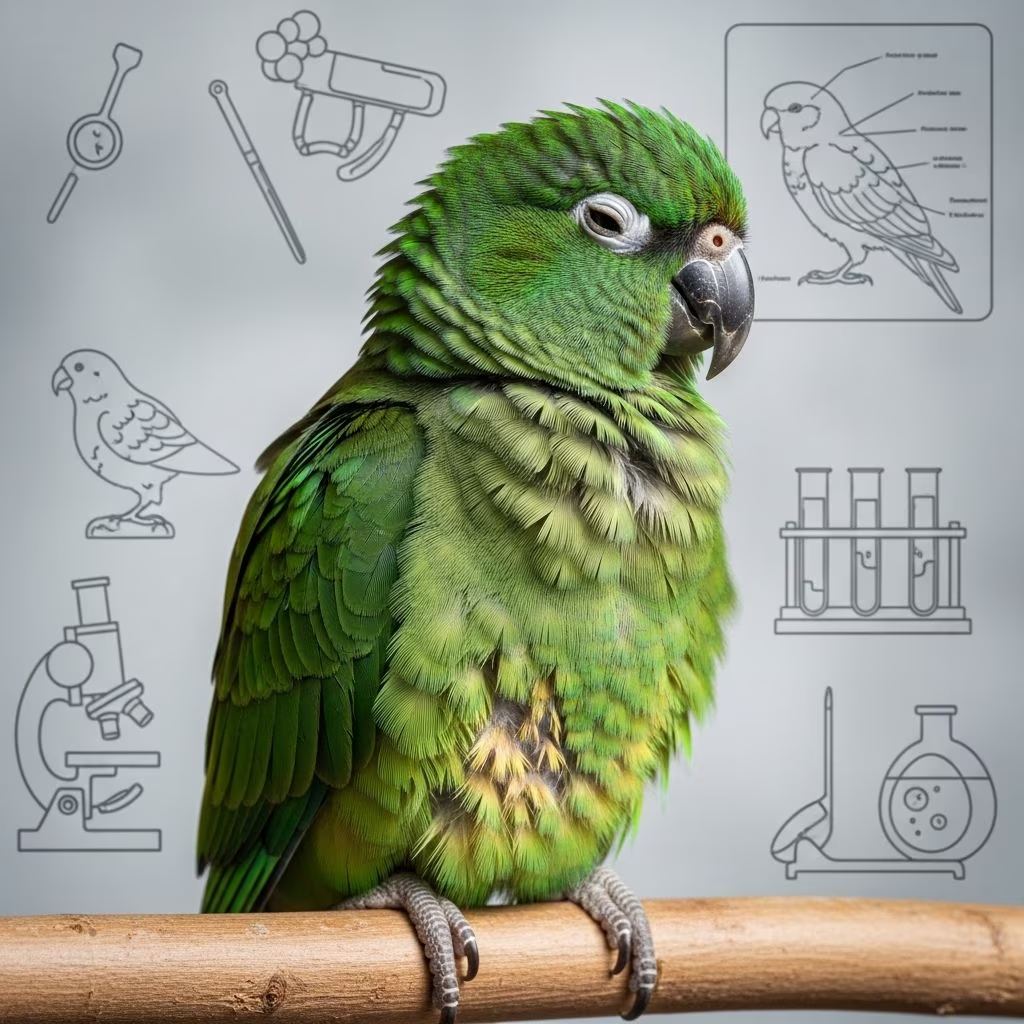
Pet bird owners often encounter puzzling digestive behaviors that can be confusing to interpret. One of the most common concerns is when a bird appears to be expelling food from its mouth. However, what you’re observing might not always indicate a serious health problem. Understanding the distinction between normal physiological processes and genuine medical emergencies is crucial for maintaining your bird’s wellbeing and knowing when professional intervention is necessary.
The Fundamental Distinction: Two Different Processes
While the terms are often used interchangeably by casual observers, regurgitation and vomiting represent distinctly different physiological processes in birds. The bird’s unique digestive anatomy means these processes operate quite differently than they do in mammals.
Regurgitation involves the controlled movement of food backward through the esophagus and out of the mouth. In healthy birds, this is typically an intentional, muscular action where the bird regains control of softened, mostly undigested food. The bird often adopts a characteristic posture during regurgitation, with repetitive head movements and careful placement of the material. This process originates primarily from the crop, a specialized food storage organ located in the lower neck region.
Vomiting, by contrast, represents uncontrolled expulsion of digestive material from deeper within the gastrointestinal tract, potentially including contents from the proventriculus or ventriculus (stomach regions) and even the small intestines. Since birds lack a diaphragm, they cannot generate the forceful abdominal contractions that occur in mammals during vomiting. Instead, the material is ejected with less control and often scatters randomly around the cage rather than being placed deliberately.
When Regurgitation Is Completely Normal
Not all instances of regurgitation signal illness or distress. Many regurgitation episodes represent normal, healthy avian behavior rooted in reproductive or social bonding. Understanding which scenarios are benign helps prevent unnecessary anxiety and distinguishes true medical concerns from natural behaviors.
Sexual and Pair-Bonding Behaviors
Birds frequently regurgitate as part of courtship displays and sexual behavior. A bird may regurgitate food to a mirror, favorite toy, or beloved human as an expression of affection and pair-bonding. This behavior is entirely normal and healthy, reflecting the bird’s comfort level and attachment. Similarly, regurgitation occurs naturally during nesting behavior and parental feeding of chicks. If your bird performs these behaviors occasionally and shows no other signs of distress or illness, intervention is unnecessary.
Environmental and Emotional Triggers
Stress-related regurgitation can occur in otherwise healthy birds. Changes in environment, travel anxiety, excessive playfulness, or excitement may trigger regurgitation episodes. While these instances may be messy and inconvenient, they don’t indicate medical problems. Once the bird’s emotional state stabilizes, the regurgitation typically ceases.
Medical Causes of Pathological Regurgitation
Conversely, regurgitation can signal underlying medical conditions ranging from minor to severe. Distinguishing pathological causes from normal behavior is essential because chronic regurgitation poses serious health risks including electrolyte imbalances, dehydration, weight loss, aspiration pneumonia, and potentially death.
Crop-Related Disorders
The crop, while normally functioning as an efficient food storage organ, is vulnerable to various conditions that impair its operation. Crop stasis—the failure of food to move through the crop properly—represents one of the most common crop-related problems in pet birds.
Several factors contribute to crop stasis. Overfeeding or providing formula of improper consistency in hand-reared chicks can overwhelm the crop. Cold food formula slows crop emptying in young birds. Physical trauma to the crop, whether from aggressive feeding tube use or accidental injury, damages the organ’s function. Foreign body ingestion, particularly long fibrous materials, baling twine, or strings, can block crop passage. Additionally, when the gizzard fails to function properly, food backs up into the crop, causing stasis.
Crop burn, thermal injury to the crop lining from consuming excessively hot food, represents another significant concern. This painful condition damages the delicate crop tissue and predisposes birds to secondary infections and continued regurgitation.
Microbial infections affect crop function through various mechanisms. Candidiasis (yeast infection) develops when normal bacterial populations are disrupted, allowing opportunistic fungal growth. This commonly occurs following antibiotic treatment or when crop contents ferment due to delayed emptying. Bacterial infections and parasitic infestations also compromise crop health and motility.
Systemic and Gastrointestinal Diseases
Beyond crop-specific problems, broader gastrointestinal and systemic conditions trigger regurgitation and vomiting. Megabacterial associated fungal disease, particularly prevalent in budgerigars, features a prolonged incubation period before symptoms emerge. Affected birds display regurgitation alongside loose droppings, undigested seeds in droppings, and progressive weight loss.
Intestinal parasites and worm infestations create physical obstructions or inflammatory responses that prevent normal food passage. Protozoal parasites, such as those acquired from shared food and water sources with pigeons or doves, damage the gastrointestinal lining and compromise nutrient absorption.
Neoplastic (cancerous) growths anywhere in the gastrointestinal tract can obstruct food passage or trigger nausea-related regurgitation. Adenocarcinomas of the proventriculus, while relatively uncommon, represent particularly serious examples of how tumors affect digestive function.
Toxic Exposures
Heavy metal toxicity, particularly from lead and zinc ingestion, disrupts normal gastrointestinal muscle function and causes regurgitation. Environmental sources of heavy metals include certain toys, old paint, contaminated water, and household items. Even small exposures can accumulate over time, causing chronic digestive problems.
Ingestion of toxic plants or chemical irritants also provokes vomiting and regurgitation. Pet birds explore their environment extensively and may consume harmful substances without owner awareness.
Specialized Health Risks in Young Birds
Hand-reared chicks face unique risks related to improper feeding techniques and formula preparation. Beyond the crop stasis and crop burn mentioned earlier, yeast contamination of formula represents a significant concern for developing birds. Additionally, excessive pumping or overly vigorous feeding motions can traumatize the crop tissue in delicate juveniles.
Cold environmental temperatures slow crop function in young birds, while cold formula exacerbates this problem. Maintaining proper temperature control and formula temperature remains essential for successful hand-rearing.
Recognizing Warning Signs Requiring Veterinary Attention
Several clinical signs warrant immediate veterinary evaluation:
- Matted or wet feathers around the head and neck from repeated regurgitation
- Uncontrolled vomiting with material scattered around the cage
- Excessive regurgitation occurring frequently throughout the day
- Regurgitation accompanied by weakness, lethargy, or fluffed feathers
- Color changes in droppings (green, red, tarry, or pale appearance)
- Decreased frequency of droppings (normal is one dropping every 20-30 minutes)
- Progressive weight loss despite apparent eating
- Abdominal distension or swelling
- Neurological signs such as head twisting or partial paralysis
Diagnostic Approaches and Veterinary Evaluation
When regurgitation or vomiting warrants professional assessment, veterinarians employ several diagnostic tools:
Physical Examination includes evaluating overall body condition, palpating the crop for size and consistency, and assessing feather condition and general health status.
Laboratory Testing involves analyzing droppings for parasitic eggs, bacterial cultures to identify infections, and blood work to evaluate organ function and detect toxins.
Imaging Studies such as radiographs reveal crop size and emptying status, intestinal obstructions, and space-occupying masses that might compress the gastrointestinal tract.
Advanced Procedures including crop flushing or surgical exploration may be necessary to identify foreign bodies, examine crop lining integrity, or obtain tissue samples for definitive diagnosis.
Treatment Strategies and Management
Treatment depends entirely on underlying cause. Infectious causes may respond to antimicrobial therapy targeted to the specific pathogen. Heavy metal toxicity requires chelation therapy and environmental removal of contamination sources. Foreign body obstruction typically necessitates surgical removal. Nutritional support, often including tube feeding or injectable nutrients, becomes necessary during recovery periods.
For behaviorally-driven regurgitation, environmental modification to reduce stress, adjusting nesting materials during breeding season, or limiting mirror exposure can help. Most importantly, birds presenting with chronic regurgitation require hospitalization for supportive care, fluid therapy, and electrolyte correction.
Frequently Asked Questions
Is regurgitation always a sign of disease?
No. Normal regurgitation associated with courtship, bonding, or nesting behavior is entirely healthy. Disease-related regurgitation is typically more frequent, uncontrolled, and accompanied by other symptoms like weight loss or behavioral changes.
Can I prevent crop problems in my pet bird?
Yes, several preventive measures help. Provide appropriately-sized food pieces to prevent overfeeding, maintain proper food and formula temperatures, remove stringy or fibrous toys that could be ingested, and avoid feeding spoiled foods or unknown plants. Regular veterinary checkups also catch problems early.
What should I do if my bird vomits?
Monitor your bird closely for additional symptoms. If vomiting occurs once and the bird seems otherwise healthy, observe for 24-48 hours. If vomiting persists, becomes more frequent, or is accompanied by other signs of illness, contact your avian veterinarian promptly.
How long should a bird’s crop remain full after eating?
The crop should feel large and doughy for approximately 2-3 hours after a substantial meal. If the crop still feels full the following morning after the bird has roosted overnight, crop stasis may be developing.
Conclusion: Informed Observation Supports Bird Health
Understanding the difference between normal and pathological regurgitation empowers bird owners to provide excellent care while avoiding unnecessary alarm. Many regurgitation episodes represent healthy, normal behavior reflecting your bird’s comfort and security. However, recognizing warning signs ensures that genuine medical concerns receive prompt professional attention. When in doubt, consulting with an avian veterinarian provides definitive guidance tailored to your bird’s specific situation. By combining informed observation with professional expertise, pet bird owners can support their feathered companions’ optimal digestive health and overall wellbeing.
References
- Regurgitation vs Vomiting — Everything Birds Online. Accessed 2026-02-17. https://everythingbirdsonline.com/pages/regurgitation-vs-vomiting
- Vomiting in Birds — Bird Clinic Melbourne. Accessed 2026-02-17. https://www.birdclinic.net/avian2.htm
- Vomiting, Regurgitation, and/or Swollen Crop — AkoVet Resource Hub. Accessed 2026-02-17. https://akovet.org/resource-hub/for-animal-owners/backyard-poultry-home/poultry-sick-bird-care/poultry-sick-birds-crop/
- Recognizing the Signs of Illness in Pet Birds — VCA Animal Hospitals. Accessed 2026-02-17. https://vcahospitals.com/know-your-pet/recognizing-the-signs-of-illness-in-pet-birds



