
Avian Chlamydiosis: 5 Essential Prevention And Control Measures
Exploring the causes, symptoms, spread, diagnosis, and control of this critical bacterial threat to poultry flocks worldwide.
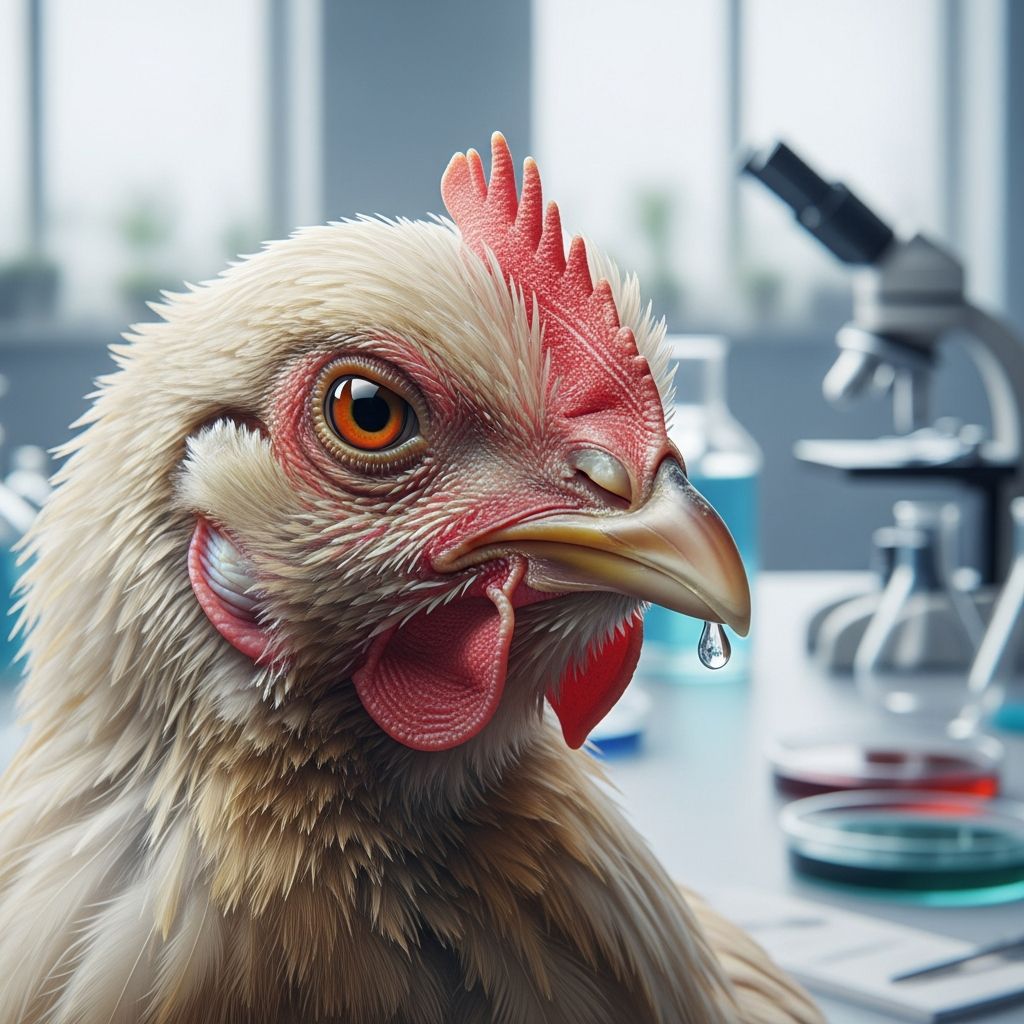
Avian chlamydiosis represents a significant bacterial disease affecting poultry, primarily driven by Chlamydia psittaci. This obligate intracellular pathogen leads to systemic infections that can range from mild, unnoticed cases to severe outbreaks with high mortality, particularly in turkeys and ducks compared to chickens.
Understanding the Causative Agents
The core agent behind most cases is Chlamydia psittaci, which features multiple avian-specific serotypes like A through F. These serotypes show preferences for certain bird species; for instance, serotypes A and D prove highly virulent in turkeys, often resulting in mortality exceeding 30%. Other related species such as C. gallinacea and C. avium occur in poultry but typically cause subclinical effects, including reduced weight gain in broilers or occasional respiratory issues.
These bacteria thrive inside host cells, particularly epithelial cells and macrophages in the respiratory tract. Their life cycle involves resilient elementary bodies that survive outside hosts for months in organic matter like feces or litter.
How the Disease Spreads in Flocks
Transmission primarily occurs via the fecal-oral route or inhalation of contaminated dust and aerosols from respiratory secretions. Infected birds shed the bacteria intermittently, especially under stress from overcrowding, transport, poor nutrition, or concurrent illnesses. Vertical transmission through eggs has been confirmed in turkeys, chickens, and ducks, perpetuating the pathogen across generations.
Environmental persistence amplifies risks in intensive poultry operations. Arthropods like mites may act as vectors, though this is less common. Wild birds and contaminated feed or water serve as additional introduction points.
- Fecal-oral ingestion: From litter or shared water sources.
- Inhalation: Airborne elementary bodies in dust.
- Vertical: Infected hens passing to offspring.
- Stress-induced shedding: Latent carriers reactivate during flock management changes.
Clinical Manifestations Across Poultry Species
Symptoms are often vague, complicating early detection. Common signs include lethargy, ruffled feathers, reduced feed intake, nasal or ocular discharge, and watery green diarrhea. Respiratory distress predominates in turkeys and chickens, while ducks more frequently exhibit diarrhea.
In turkeys, outbreaks feature sinusitis, fever, and coelomic swelling from enlarged livers and spleens. Ducks and ducklings show tremors, imbalance, and conjunctivitis. Chickens, being more resistant, suffer mainly in young chicks with low-level mortality.
| Poultry Type | Key Symptoms | Severity |
|---|---|---|
| Turkeys | Respiratory signs, sinusitis, hepatosplenomegaly | High (up to 30%+ mortality) |
| Ducks | Diarrhea, tremors, rhinitis | Moderate to high |
| Chickens | Mild respiratory, weight loss | Low |
Egg production drops by 10-20% in affected layers, alongside economic hits from culls and treatment.
Pathological Changes in Infected Birds
Post-mortem exams reveal pneumonia, air sacculitis, hepatitis, splenitis, and pericarditis. Livers and spleens often appear enlarged with hemorrhages, especially in psittacines but also poultry. Fibrinous exudates cover organs in severe cases.
The bacteria disseminate via macrophages, leading to multi-organ involvement. Young birds face worse outcomes due to immature immunity.
Diagnostic Approaches for Confirmation
Diagnosis combines clinical suspicion with lab tests. Serology detects antibodies, while PCR identifies bacterial DNA directly from swabs or tissues, offering high sensitivity. Bacterial culture, though confirmatory, is challenging due to the organism’s intracellular nature.
Necropsy with histopathology shows intracytoplasmic inclusions in macrophages. Pairing acute and convalescent sera improves serologic accuracy.
- Collect cloacal, choanal, or tracheal swabs for PCR.
- Perform ELISA or IFA for serology.
- Examine tissues for characteristic lesions.
Treatment Protocols and Management
Tetracyclines like chlortetracycline and doxycycline form the backbone of therapy, administered via feed or water for 45 days to curb shedding. Early intervention reduces mortality, but treated birds may remain carriers.
Supportive care includes fluids, electrolytes, and vitamins. Isolation of affected birds prevents spread.
Prevention and Control Measures
Vaccination remains unavailable commercially, emphasizing biosecurity. Key strategies include:
- All-in-all-out production cycles.
- Cleaning and disinfecting between flocks.
- Avoiding mixing ages or species.
- Quarantining new birds with testing.
- Monitoring stressors like ventilation and density.
Reporting to authorities is mandatory in many regions due to zoonotic risks.
Zoonotic Implications for Handlers
Avian chlamydiosis, or psittacosis in humans, causes flu-like symptoms to severe pneumonia. Poultry workers, vets, and bird handlers face exposure risks via inhalation. Serotypes A, B, and E/B readily infect mammals. Human cases link to turkeys, ducks, and chickens beyond just psittacines.
Prevention involves PPE, hand hygiene, and avoiding sick birds. Incidence is underreported, with incubation of 5-14 days.
Economic Impact on Poultry Industry
Outbreaks lead to production losses: reduced growth, egg drops, and culls. Costs per barn can hit 1200-4900 euros from diagnostics, antibiotics, and downtime. Global trade restrictions amplify impacts, requiring negative PCR for 12 months pre-shipment.
Emerging Research and Future Directions
Recent studies highlight C. gallinacea‘s ubiquity in chickens, urging expanded surveillance. Genomic typing aids outbreak tracing. Gaps persist in vaccines and rapid field tests.
Frequently Asked Questions (FAQs)
What birds are most at risk for avian chlamydiosis?
Turkeys and ducks show highest susceptibility, with chickens more resistant.
Is avian chlamydiosis contagious to humans?
Yes, it causes psittacosis, primarily via inhalation from infected birds.
How long does treatment last?
Typically 45 days with tetracyclines to eliminate shedding.
Can it spread through eggs?
Vertical transmission occurs in several poultry species.
What are the first signs in a flock?
Lethargy, respiratory issues, and green diarrhea.
References
- Avian Chlamydiosis – Poultry — Merck Veterinary Manual. 2023. https://www.merckvetmanual.com/poultry/avian-chlamydiosis/avian-chlamydiosis
- A comprehensive review on avian chlamydiosis — PMC (NCBI). 2021-07-20. https://pmc.ncbi.nlm.nih.gov/articles/PMC8313243/
- Avian chlamydiosis — World Organisation for Animal Health (WOAH). 2023. https://www.woah.org/en/disease/avian-chlamydiosis/
- Avian chlamydiosis (C. psittaci) — Discontools (EU). 2023. https://www.discontools.eu/database/117-avian-chlamydiosis.html
- About Psittacosis — Centers for Disease Control and Prevention (CDC). 2023-10-17. https://www.cdc.gov/psittacosis/about/index.html
Similar Articles








Read full bio of medha deb


