

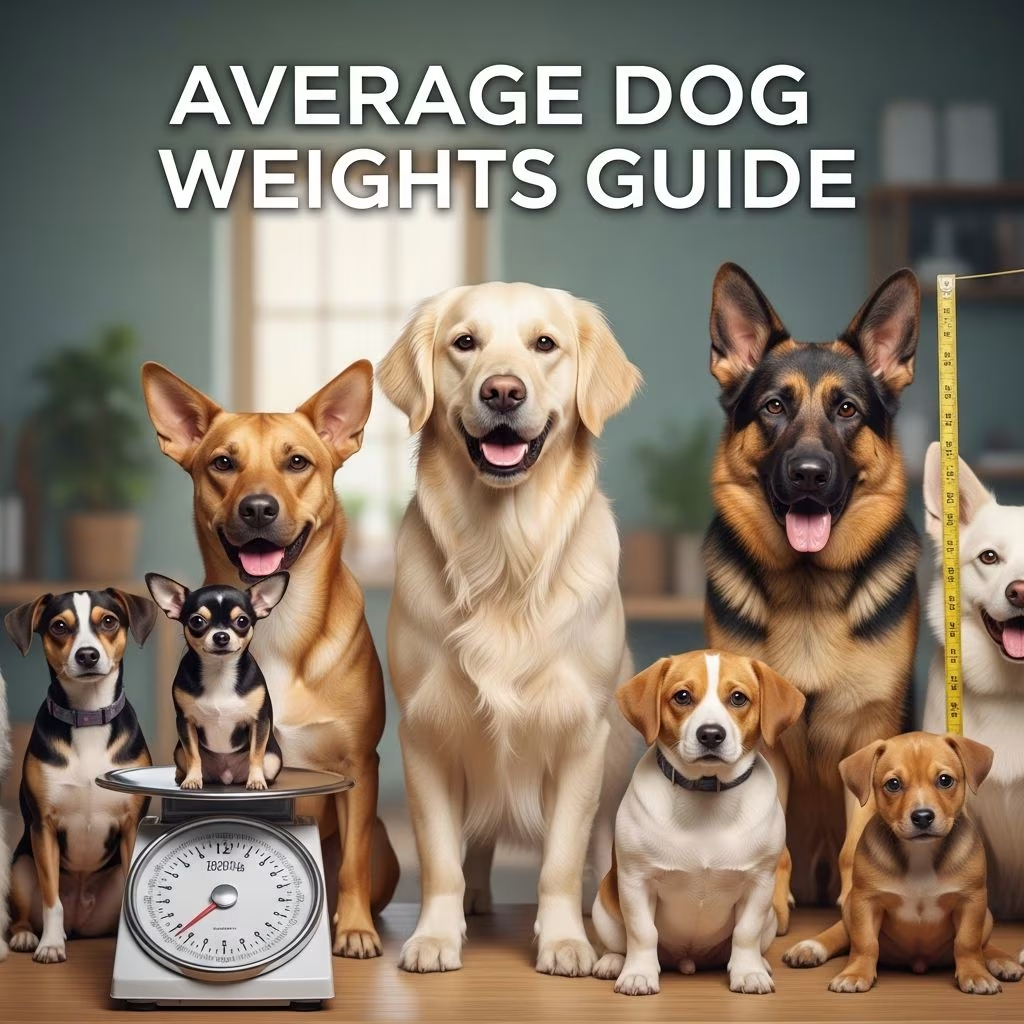
Knowing the typical weight range for dogs helps owners ensure their pets remain fit and vibrant. Factors like breed, age, and lifestyle play key roles in determining what constitutes a healthy weight, with small breeds often weighing under 20 pounds while large ones exceed 100 pounds.
Defining Healthy Weight Ranges Across Dog Sizes
Dogs come in diverse sizes, each with distinct average weights. Toy breeds typically range from 5 to 20 pounds, small dogs from 20 to 35 pounds, medium from 35 to 55 pounds, large from 55 to 90 pounds, and giant breeds over 90 pounds. These benchmarks provide a starting point for owners to gauge their dog’s fitness.
Variations exist within categories due to genetics and care. For instance, a Chihuahua might average 6 pounds, while a Bulldog hits 50 pounds in the medium range. Regular monitoring against these norms prevents health issues.
Factors Shaping a Dog’s Ideal Weight
Several elements influence what weight suits a particular dog. Breed standards set genetic baselines, but age shifts needs—puppies gain rapidly, adults stabilize, and seniors may lose muscle.
- Neutering status: Altered dogs often gain 10-20% more weight due to metabolic changes.
- Activity level: Active dogs require more calories to maintain lean mass.
- Diet composition: High-protein foods support muscle without excess fat.
- Health conditions: Thyroid issues or joint problems can alter weight distribution.
Owners should consult vets to personalize targets, as generic charts overlook individual nuances.
Assessing Your Dog’s Body Condition Score
The Body Condition Score (BCS) offers an objective way to evaluate if a dog carries ideal weight. Vets use a 9-point scale where 4-5 indicates optimal: ribs palpable without pressing hard, waist visible from above, and abdominal tuck present.
| BCS Level | Description | Action Needed |
|---|---|---|
| 1-3 (Underweight) | Ribs, spine, hips prominent; no fat covers bones | Increase calories gradually under vet guidance |
| 4-5 (Ideal) | Ribs felt easily, waist and tuck defined | Maintain current diet and exercise |
| 6-9 (Overweight/Obese) | Ribs hard to feel, no waist, sagging belly | Initiate weight loss plan |
Perform home checks monthly by running hands over the ribcage and observing silhouette. Professional assessments confirm accuracy.
Recognizing Signs of Weight-Related Health Problems
Excess weight strains dogs, leading to arthritis, diabetes, heart disease, and reduced lifespan. Overweight pets pant excessively, tire quickly on walks, and show reluctance to jump.
Underweight dogs risk weakened immunity, poor coat quality, and infertility. Early detection via BCS prevents escalation—over 50% of dogs face obesity risks.
Strategies for Achieving Safe Weight Reduction
Veterinarians recommend losing 1-2% of body weight weekly for safety, equating to 1-5% monthly depending on starting mass. Rapid loss harms organs and invites rebound gain.
- Vet consultation: Rule out diseases, set target via BCS, calculate Daily Energy Requirements (DER).
- Calorie restriction: Reduce intake by 20-30% from maintenance levels using measured portions.
- Food selection: Opt for high-fiber, low-calorie formulas that satisfy hunger with volume.
Track progress biweekly, adjusting as needed. Consistency yields results in 2-4 months.
Optimizing Diet for Weight Control
Diet forms the cornerstone of management. Avoid free-feeding; implement twice-daily scheduled meals to regulate appetite.
Choose AAFCO-approved foods with feeding trials. For weight loss:
- Low-calorie treats like green beans or carrots (under 10% daily calories).
- Portion precisely with a kitchen scale.
- Divide into smaller, frequent meals for satiety.
Transition gradually over 7-10 days to prevent digestive upset.
Incorporating Exercise into Daily Routines
Activity burns calories and builds muscle. Aim for 30-60 minutes daily, tailored to fitness.
- Walks: 20-30 minutes, split if needed; sniff walks engage mentally.
- Play: Fetch, tug-of-war, or puzzle toys turn meals active.
- Swimming: Joint-friendly for overweight or older dogs.
- Home exercises: Stair climbs or treat-dispensing balls.
Start slow to avoid injury, building intensity over weeks.
Breed-Specific Weight Expectations
Average weights vary widely:
| Breed Category | Examples | Average Adult Weight (lbs) |
|---|---|---|
| Toy | Yorkshire Terrier, Pomeranian | 4-15 |
| Small | Beagle, French Bulldog | 15-30 |
| Medium | Cocker Spaniel, Border Collie | 30-60 |
| Large | Labrador, German Shepherd | 60-100 |
| Giant | Great Dane, Mastiff | 100-200 |
Consult breed clubs for precise standards, as males often weigh more than females.
Long-Term Maintenance After Reaching Goal Weight
Prevent regain by increasing calories 10% post-loss, maintaining exercise, and quarterly weigh-ins.
Family involvement ensures no sneaky treats. Some dogs thrive on lifelong weight-management diets.
Frequently Asked Questions
How often should I weigh my dog?
Weigh every 1-2 weeks during loss phases, monthly for maintenance. Use vet scales for precision.
Can treats fit into a weight loss plan?
Yes, limit to 10% of calories; use veggies or break kibble pieces.
What if my dog won’t eat less?
Consult vet for appetite stimulants or medical checks; puzzle feeders help.
Is obesity genetic?
Partly—predisposed breeds need vigilant monitoring, but diet/exercise override.
How does age affect weight goals?
Puppies focus on growth; seniors prioritize joint health with lower calories.
References
- Creating a Weight Reduction Plan for Dogs — VCA Animal Hospitals. 2023. https://vcahospitals.com/know-your-pet/creating-a-weight-reduction-plan-for-dogs
- Dog Weight Loss Information — Association for Pet Obesity Prevention. 2024. https://www.petobesityprevention.org/weight-loss-dogs
- A guide to healthy weight management for dogs — Wisdom Panel. 2023. https://www.wisdompanel.com/en-us/blog/weight-management-for-dogs
- How To Manage Your Dog’s Weight — Spot & Tango. 2024. https://www.spotandtango.com/blog/how-to-manage-your-dogs-weight
- Weight Reduction in the Obese Pet — AAHA. 2021. https://www.aaha.org/resources/2021-aaha-nutrition-and-weight-management-guidelines/weight-reduction-in-the-obese-pet/
- How To Tell If Your Dog Is Overweight — Hill’s Pet. 2024. https://www.hillspet.com/health-categories/dog/weight-management



