

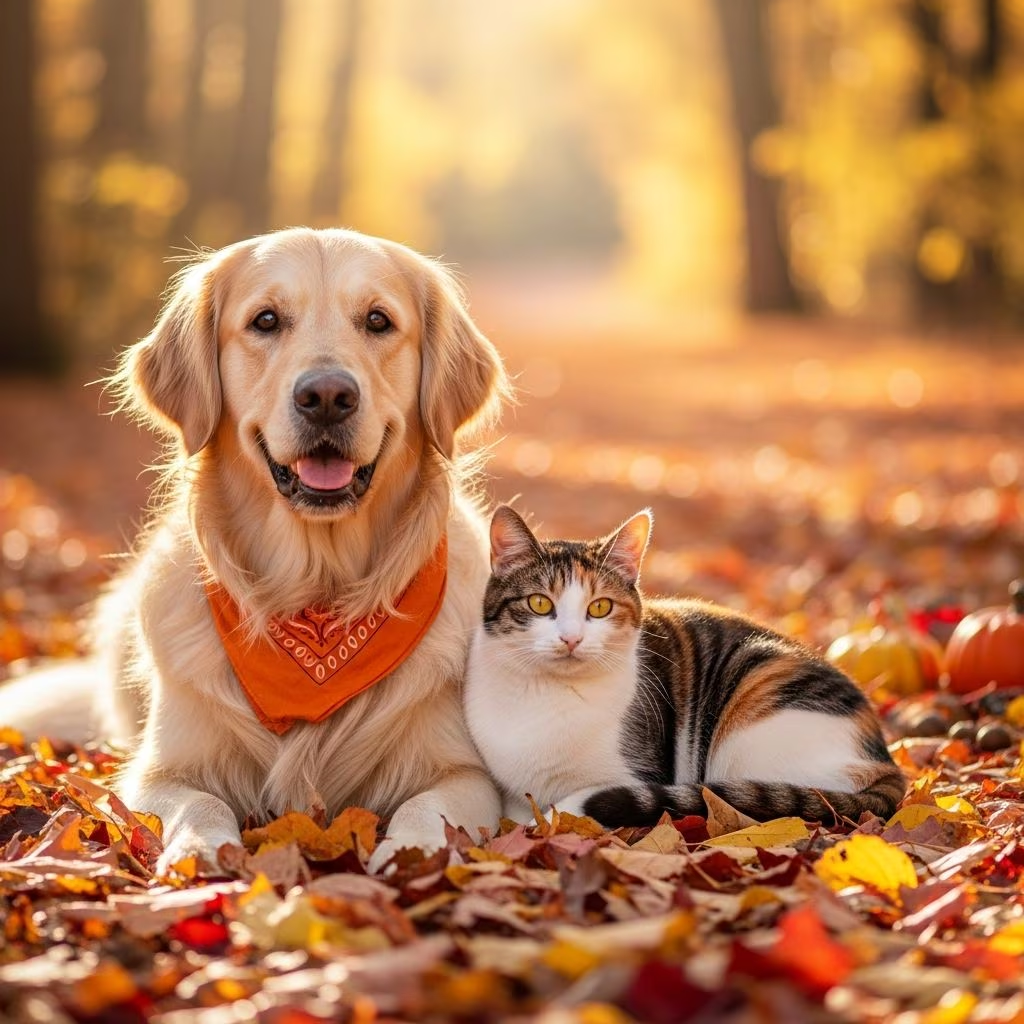
As the leaves turn vibrant shades of red and gold, autumn brings cooler weather, festive activities, and cozy moments with our pets. However, this beautiful season also introduces unique hazards that can threaten pet health and safety. From toxic rodenticides to wild mushrooms and chilly temperatures, pet owners must stay vigilant. This comprehensive guide, inspired by expert veterinary advice, covers all key risks and provides actionable steps to ensure your dogs, cats, and other companions enjoy fall safely. By understanding these dangers and taking preventive measures, you can protect your pets from common autumn pitfalls.
Keep School Supplies Out of Paws’ Reach
With back-to-school season in full swing, households fill with pencils, markers, crayons, and glue sticks. These everyday items pose significant risks to curious pets who love to chew. Pencils contain graphite and wood that can splinter and cause intestinal blockages or perforations. Markers and crayons often include toxic chemicals like xylene or toluene, leading to gastrointestinal upset, drooling, or neurological symptoms such as tremors. Glue sticks, especially those with certain adhesives, can expand in the stomach, causing obstructions.
To safeguard your pets:
- Store all school supplies in high cabinets or closed drawers inaccessible to pets.
- Supervise pets in areas with school items and pick up any dropped pieces immediately.
- Educate children on keeping supplies away from pets and reporting any chewing incidents.
- If ingestion occurs, contact your veterinarian or a pet poison hotline right away, as symptoms can escalate quickly.
Preventing access is the best defense; a moment’s curiosity can lead to costly vet visits or worse.
Beware of Rodenticides and Cold Weather Poisons
Fall marks a surge in rodent activity as mice and rats seek indoor warmth, prompting increased use of rodenticides. These poisons, often baited with appealing flavors like peanut butter, are highly toxic to pets. Anticoagulant rodenticides (e.g., brodifacoum) cause internal bleeding by inhibiting vitamin K, with symptoms including lethargy, pale gums, bloody stool, or bruising appearing days after ingestion. Other types like bromethalin lead to brain swelling and fatal neurological issues.
Cold weather also brings antifreeze leaks from vehicles, a sweet-tasting killer that causes kidney failure within hours. Space heaters and fireplaces introduce risks from carbon monoxide or burns.
- Use pet-safe rodent traps instead of poisons; place baits in tamper-proof stations far from pet areas.
- Store antifreeze in sealed containers and clean spills immediately with vinegar.
- Install carbon monoxide detectors and keep pets away from heaters.
- Watch for symptoms like weakness, coughing, or seizures, and seek emergency care promptly.
Statistics show rodenticides are among the top pet toxins in fall; caution saves lives.
Watch Out for Wildlife
As temperatures drop, wildlife becomes more active. Snakes preparing for hibernation emerge in open areas, increasing bite risks. Venomous species like rattlesnakes or copperheads deliver hemotoxins causing swelling, pain, and tissue damage, or neurotoxins leading to paralysis. Rodents, raccoons, and foxes carry diseases like leptospirosis or rabies, transmissible via bites or saliva.
Pet owners should:
- Avoid wooded areas or tall grass during walks, especially dusk and dawn when snakes are active.
- Know local venomous species via wildlife resources and stick to cleared paths.
- Vaccinate pets against rabies and keep leptospirosis shots current.
- If bitten, prevent licking the wound, immobilize the pet, and rush to a vet for antivenom if needed.
Early detection of symptoms like puncture wounds, swelling, or fever is critical for recovery.
Be on the Lookout for Mushrooms
Autumn rains spur mushroom growth in yards, parks, and forests. While most are harmless, the toxic 1% (e.g., Amanita species) contain amatoxins causing liver and kidney failure. Symptoms include vomiting, diarrhea, jaundice, and coma, often delayed 6-12 hours post-ingestion, making quick identification challenging.
- Remove mushrooms from your yard daily; teach kids not to touch wild ones.
- Keep pets leashed on walks and discourage sniffing or eating yard fungi.
- If ingestion is suspected, collect a sample (wear gloves) for vet identification and induce vomiting only under professional guidance.
- Use apps or hotlines for preliminary ID, but never rely solely on them.
Even small bites can be deadly; vigilance during yard play is essential.
Recognize the Hazards of Autumn
Beyond specific toxins, fall introduces broader risks like falling leaves hiding dangers and acorns from oaks causing zinc toxicity or blockages if chewed. Black walnuts mold into neurotoxins, and berries from plants like holly or mistletoe irritate the gut.
Protective strategies include:
- Rake leaves promptly to avoid moldy piles that attract pets.
- Fence off trees dropping acorns or toxic nuts.
- Inspect trails for seasonal plants using toxic plant lists.
Seasonal awareness prevents many emergencies.
Prepare for Halloween and Fall Festivities
Halloween amplifies risks with candy (chocolate, xylitol in gum causes hypoglycemia and liver failure), costumes that stress pets, and decorations like real candles risking burns or fires.
| Treat | Risk to Pets | Safe Alternative |
|---|---|---|
| Chocolate | Theobromine poisoning: vomiting, seizures, death | Pet-safe pumpkin treats |
| Xylitol Gum | Hypoglycemia, liver failure | Carrots or apple slices |
| Grapes/Raisins | Kidney failure | Blueberries |
- Keep bowls elevated or in another room; sweep wrappers.
- Opt for LED lights and pet-free costume parties.
- Create a quiet retreat for anxious pets during trick-or-treating.
Festive fun shouldn’t compromise safety.
Take Pets’ Changing Health into Account
Cooler weather exacerbates conditions like arthritis in seniors; shorter days increase obesity from reduced activity. Allergies from ragweed or mold cause itching and infections.
- Schedule fall check-ups for vaccines, dental care, and flea/tick preventives.
- Adjust diets for weight management and joint supplements.
- Treat allergies with vet-recommended shampoos or meds.
Proactive health care ensures comfort.
Frequently Asked Questions (FAQs)
What should I do if my pet eats a mushroom?
Contact your vet or ASPCA Poison Control immediately; provide a sample if possible. Do not wait for symptoms.
Are rodenticides safe if placed outside?
No, pets can access outdoor baits; use snap traps instead.
Can short-haired dogs handle fall cold?
Many need sweaters for walks below 45°F; monitor for shivering.
How do I prevent Halloween candy theft?
Store out of reach and use pet gates during events.
What’s the biggest fall risk for cats?
Antifreeze and rodenticides; secure garages and garages.
Final Thoughts on Autumn Pet Safety
Autumn’s joys—crisp walks, pumpkin patches, and fireside naps—are best shared with healthy pets. By addressing rodenticides, mushrooms, wildlife, school supplies, poisons, and festivities proactively, you minimize risks. Regular vet visits, supervision, and pet-proofing create a safe season. Stay informed, act swiftly on issues, and cherish the fall with your furry family.
References
- Fall Pet Safety Tips: Keeping Your Pets Safe During Cooler Weather — Maynard Animal Hospital. 2023. https://veterinarianmaynardnc.com/blog/fall-pet-safety-tips-keeping-your-pets-safe-during-cooler-weather
- Seasonal Safety Tips: Beware of These Fall Dangers — ASPCA. 2023. https://www.aspca.org/news/seasonal-safety-tips-beware-these-fall-dangers
- Fall Into Safety: Autumn Tips for Happy, Healthy Pets — DoveLewis. 2023. https://www.dovelewis.org/blog/fall-safety-autumn-tips-happy-healthy-pets
- Don’t Let Your Pet FALL for These Seasonal Hazards! — ASPCA. 2023. https://www.aspca.org/news/dont-let-your-pet-fall-these-seasonal-hazards
- Fall Safety Tips for Your Pet — ASPCA. 2023. https://www.aspca.org/news/fall-safety-tips-your-pet



