

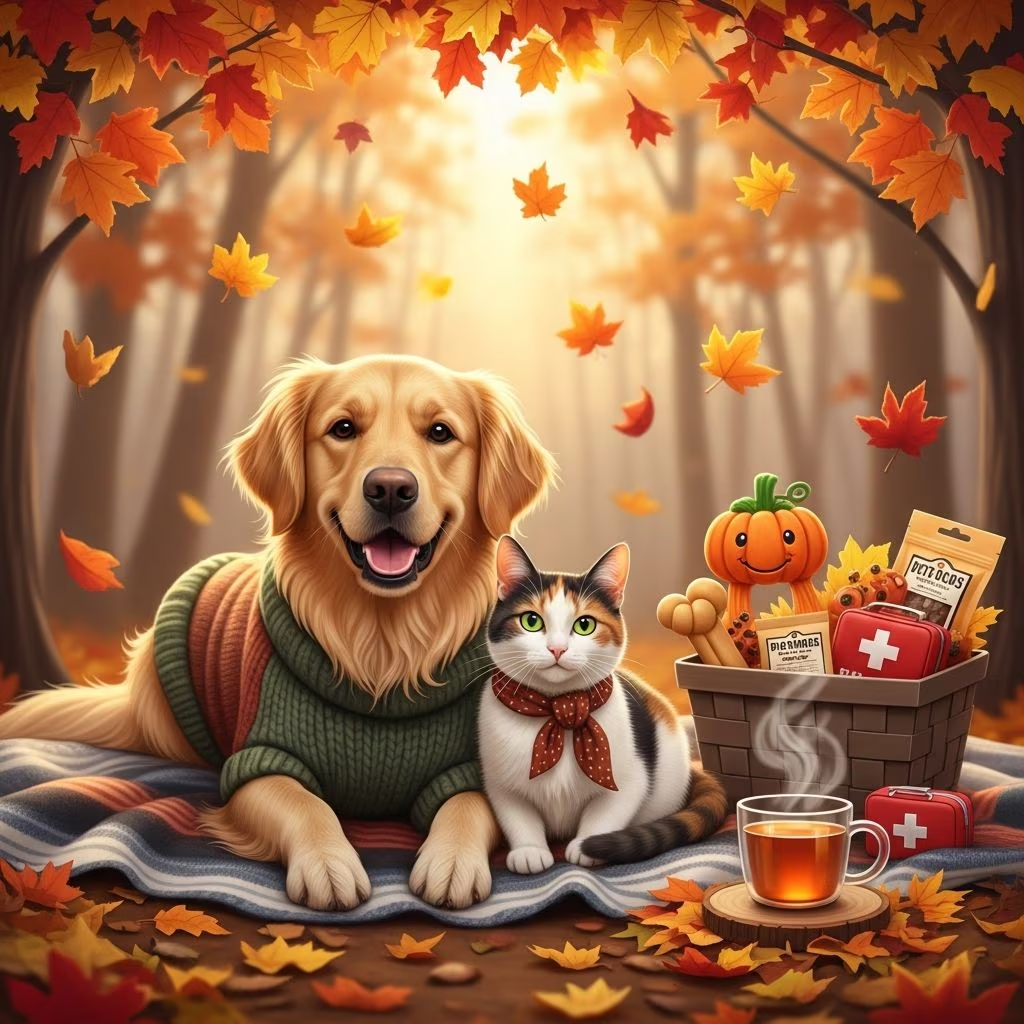
As temperatures drop and leaves blanket the ground, autumn ushers in picturesque scenes but also unique challenges for pet owners. Dogs, cats, and other animals face risks from environmental changes, festive decorations, and shifting wildlife patterns. This comprehensive guide outlines proactive measures to safeguard your pets, drawing from veterinary recommendations to prevent accidents and health issues during the cooler months.
Navigating Outdoor Environments Safely
Fall’s crisp air invites more time outdoors, yet it brings concealed threats. Damp conditions foster fungal growth, while changing foliage hides potential dangers. Pet owners must remain vigilant during walks and playtime to avoid ingestion of harmful substances or encounters with wildlife.
- Steer clear of fungal growths: Mushrooms sprout abundantly after rains, and many varieties pose severe toxicity risks to pets. Train animals to avoid unfamiliar plants and remove any growths from yards promptly.
- Inspect leaf accumulations: Playful dives into leaf piles can expose pets to sharp debris, parasites, or moldy matter that causes gastrointestinal distress.
- Watch for reptilian activity: Cooler weather drives snakes into sunnier spots or leaf litter; leash pets and learn local venomous species for quick identification.
Always carry fresh water on outings, as dehydration persists even in milder temperatures. Portable bowls ensure hydration during extended hikes or park visits.
Adapting to Temperature Fluctuations
Autumn weather swings from warm days to chilly nights, stressing pets’ thermoregulation. Short-haired breeds, seniors, and puppies require extra attention to prevent hypothermia or paw injuries from frosty ground.
| Pet Type | Recommended Protection | Signs of Cold Stress |
|---|---|---|
| Short-haired dogs/cats | Sweaters, jackets, booties | Shivering, lethargy |
| Small breeds | Heated bedding, limit outdoor time | Hunched posture, whining |
| Senior pets | Insulated mats, warm indoor zones | Reluctance to move |
Monitor paws for cracks from cold sidewalks; apply pet-safe moisturizers if needed. Avoid prolonged exposure below 50°F (10°C), and provide sheltered areas during sudden storms.
Enhancing Visibility in Dimmer Days
Earlier sunsets mean more low-light walks, heightening accident risks from traffic. Equip pets with gear that boosts detectability.
- Reflective collars, leashes, or harnesses reflect headlights effectively.
- LED clip-on lights or glowing tags provide active illumination.
- Brightly colored accessories stand out against dusk backgrounds.
For nighttime routines, headlamps for owners double as pet spotlights, ensuring safe navigation in neighborhoods.
Securing Indoor Spaces Amid Seasonal Shifts
Cozying up indoors increases appeal, but fall brings new temptations like candles, wires, and treats. Create pet-proof zones to minimize mishaps.
Store antifreeze-laced items securely, as its sweet taste attracts curious sniffers. Opt for pet-safe de-icers if needed outdoors. During gatherings, confine pets away from human foods containing toxins like grapes, onions, or xylitol.
Pet-Proofing Festive and Holiday Displays
Autumn celebrations introduce decorations fraught with perils. Gourds, cornstalks, and faux items mimic chew toys but lead to blockages or poisoning.
- Elevate displays on high surfaces or use enclosed setups.
- Select non-toxic plants such as orchids or petunias over lilies or poinsettias.
- Secure cords and small ornaments to prevent electrocution or ingestion.
For costuming, choose loose-fitting outfits without strings or buttons; constant supervision prevents distress. Black cats merit extra caution around Halloween due to superstitions.
Maintaining Hydration and Exercise Routines
Cooler air belies ongoing dehydration risks, especially post-activity. Indoor alternatives keep fitness levels steady when weather turns inclement.
- Schedule walks during daylight; supplement with fetch or agility games indoors.
- Puzzle feeders and interactive toys combat seasonal boredom.
- Ensure multiple water stations with clean, fresh supply daily.
Recognizing and Responding to Emergencies
Swift action saves lives when pets encounter hazards. Familiarize with symptoms like vomiting, seizures, or swelling, and have vet contacts ready.
If ingestion occurs, note details and collect samples without direct contact. ASPCA Poison Control offers 24/7 guidance for exposures. Routine checkups before holidays catch underlying issues early.
Frequently Asked Questions
Are fall mushrooms always dangerous for pets?
Not all are toxic, but many are; err on caution and prevent access. Consult vets immediately if nibbling suspected.
Do cats need coats in autumn?
Indoor cats rarely do, but outdoor or shorthairs benefit from warmth on chilly ventures.
How to handle storm-anxious pets?
Provide safe retreats, calming aids, or pheromone diffusers; vet-prescribed options for severe cases.
Is antifreeze a fall-specific risk?
Yes, garage leaks spike with vehicle winterizing; use bittering agents in coolants.
Seasonal Wellness Checklist
- Update microchips and IDs before events.
- Schedule flea/tick preventives for lingering pests.
- Stock emergency kits with bandages, hydrogen peroxide, and toxin hotline numbers.
- Review vaccination status for boarding or travel.
Implementing these strategies fosters a secure autumn, allowing pets to relish the season’s joys without jeopardy. Vigilance paired with preparation ensures happy, healthy companions through falling leaves and festive lights.
References
- 6 Important Pet Safety Tips for the Fall Season — VEG ER for Pets. 2023. https://www.veg.com/post/6-fall-season-pet-safety-tips
- Autumn Pet Safety Tips: Preparing Your Pet for Cooler Weather — Bay Animal Hospital. 2024. https://bayanimalhospital.net/autumn-pet-safety-tips-preparing-your-pet-for-cooler-weather/
- Fall Pet Safety Tips: Keeping Your Pets Safe During Cooler Weather — Veterinarian Maynard NC. 2023. https://veterinarianmaynardnc.com/blog/fall-pet-safety-tips-keeping-your-pets-safe-during-cooler-weather
- Fall Into Safety: Autumn Tips for Happy, Healthy Pets — DoveLewis. 2024. https://www.dovelewis.org/blog/fall-safety-autumn-tips-happy-healthy-pets
- Fall Safety Guide: Seasonal Hazards Every Pet Owner Should Know — HLCR. 2023. https://www.hlcr.org/post/fall-dog-safety-guide-autumn-hazards-every-pet-owner-should-know
- Fall Pet Safety Tips: A New Season Brings New Dangers — MedVet. 2024. https://www.medvet.com/fall-pet-safety-tips/
- Autumn Safety Tips — ASPCA. 2024-01-29. https://www.aspca.org/pet-care/general-pet-care/autumn-safety-tips



