

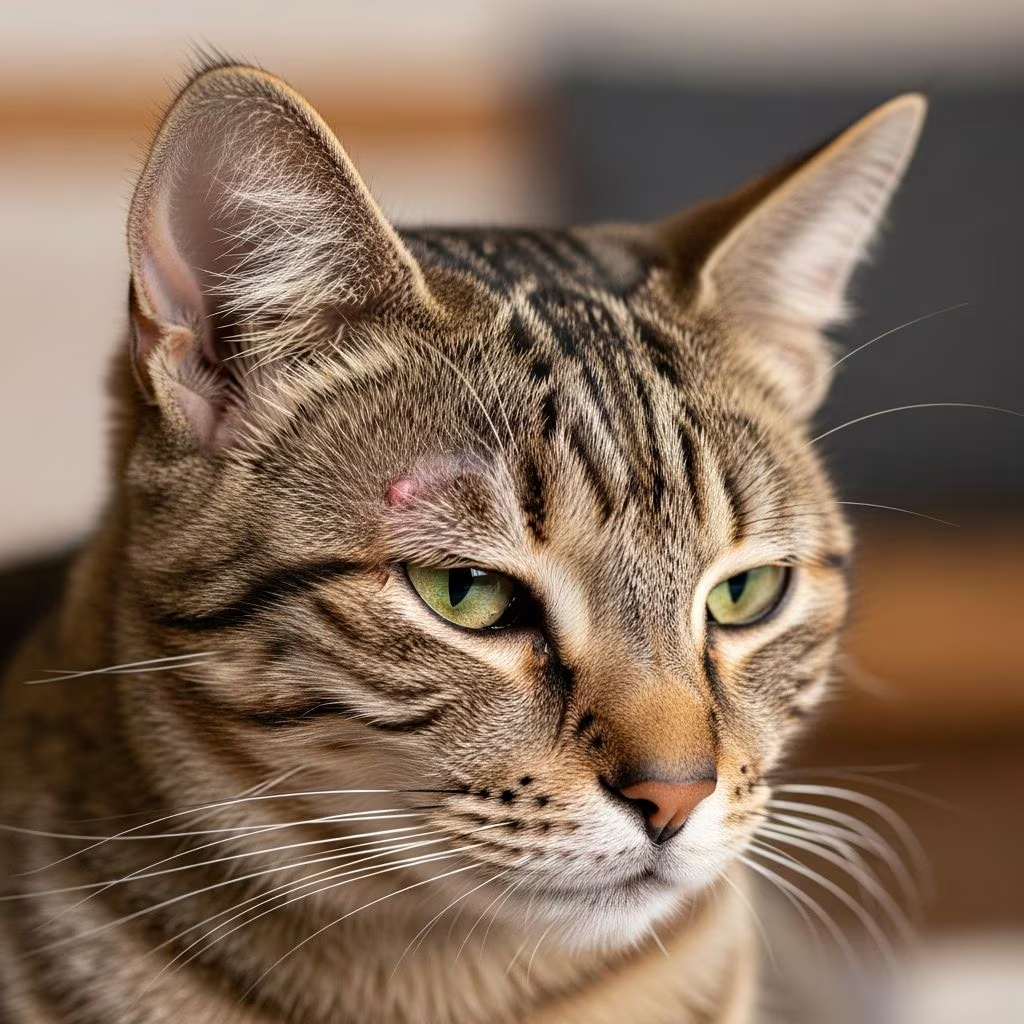
Understanding Autoimmune Skin Disease in Cats
Autoimmune skin diseases in cats represent a significant category of dermatological conditions where the cat’s own immune system mistakenly attacks the skin cells, leading to inflammation, lesions, and discomfort. These conditions are relatively uncommon but can cause considerable suffering if left untreated. Unlike simple allergies or infections, autoimmune skin diseases require specific diagnostic protocols and often long-term management strategies to control symptoms effectively. Understanding the nature of these diseases, their presentation, and available treatment options is essential for cat owners who notice unusual skin symptoms in their pets.
The immune system’s primary role is to protect the body from harmful invaders such as bacteria, viruses, and parasites. However, in autoimmune conditions, this protective mechanism malfunctions and targets the body’s own tissues. In the case of autoimmune skin diseases, the immune system produces antibodies against the cat’s skin cells, leading to various clinical manifestations ranging from mild irritation to severe, widespread lesions that can significantly impact the cat’s quality of life.
Common Types of Autoimmune Skin Disease in Cats
Several autoimmune skin conditions affect cats, each with distinct characteristics and presentation patterns. Identifying the specific type is crucial for determining the most appropriate treatment approach.
Pemphigus Foliaceus
Pemphigus foliaceus (PF) stands as the most common feline autoimmune skin disease. This condition occurs when the immune system produces antibodies against keratinocyte structures within the epidermis, the outermost layer of skin. The resulting autoimmune response creates painful blisters and open wounds that typically appear on specific areas of the body including the paw pads, face, ears, eyelids, lips, nostrils, bridge of the nose, groin area, and toenail beds.
Characteristic features of pemphigus foliaceus include crusts, ulcers, and scaling on the affected skin areas. In many cases, cats develop distinctive yellow-green, crumbly coatings in the nail folds and skin changes around the mammary glands. The condition may also cause crusts and hyperkeratosis on the paw pads. Importantly, the mucous membranes are typically not affected by PF, distinguishing it from other pemphigus complex diseases.
Eosinophilic Granuloma Complex
The eosinophilic granuloma complex represents another significant autoimmune skin condition in cats. This condition manifests in distinct presentations, including eosinophilic plaques and indolent ulcers. Eosinophilic plaques appear as raised, red, irritated skin with notable hair loss, most commonly found on the abdomen, inner thighs, anal region, or throat. These lesions are characteristically severely itchy, which can lead to secondary trauma and infection if not properly managed.
Indolent ulcers present differently, typically appearing as erosions of the upper lip from an ulcer-like formation. These ulcers may also develop on the tongue and can cause significant discomfort to affected cats. Cats with eosinophilic granulomas in the mouth may show irritation by the mass, displaying symptoms such as avoidance of eating or drinking, pawing at the mouth, and excessive drooling.
Other Autoimmune Skin Conditions
Beyond the pemphigus complex and eosinophilic conditions, cats can develop other autoimmune skin diseases including immune-mediated hemolytic anemia with skin manifestations, lupus-related skin lesions, and glomerulonephritis affecting the skin. Some cats may experience systemic autoimmune diseases that have significant dermatological components. Each condition requires individualized assessment and treatment planning based on the specific immune mechanisms involved.
Clinical Symptoms and Signs
The presentation of autoimmune skin disease varies depending on the specific condition and its severity. However, several common signs should alert cat owners to seek veterinary evaluation.
Skin-Specific Symptoms
Direct skin manifestations include:
- Open sores and blisters on the skin surface
- Crusting and scaling of the epidermis
- Painful or sensitive nail beds
- Hair loss (alopecia) in affected areas
- Red, inflamed, or eroded skin
- Oozing or discolored liquid indicating secondary infection
- Tears in the skin with bleeding
Systemic Symptoms
Cats with autoimmune skin diseases may exhibit systemic signs indicating the condition’s broader impact on the body:
- Lethargy and reduced activity levels
- Decreased appetite or anorexia
- Fever, particularly if resistant to antibiotics
- Shifting-leg lameness or reluctance to walk
- Swollen or painful joints
- Stiffness and reduced mobility
- Lymph node enlargement
While immune-mediated diseases are not primarily itchy conditions, approximately 25-50% of cats with pemphigus foliaceus experience pruritus, which can become severe, especially when secondary bacterial or Malassezia infections develop. This secondary itching can lead to additional trauma as the cat attempts to scratch or bite at the affected areas.
Diagnostic Procedures and Testing
Accurate diagnosis of autoimmune skin disease requires a comprehensive diagnostic approach combining multiple assessment tools. Because various conditions can present with similar skin symptoms, thorough evaluation is essential to rule out other causes and establish a definitive diagnosis.
Physical Examination
The veterinary evaluation begins with a detailed physical examination. The veterinarian will assess the distribution and pattern of lesions, note the condition of the skin and coat, evaluate lymph node size and consistency, and perform a complete systemic examination to identify any systemic involvement of the autoimmune disease.
Medical History
A thorough medical history provides context for the skin disease. The veterinarian will inquire about the onset and progression of symptoms, any triggering events, previous treatments attempted, response to any prior medications, presence of pruritus, and any systemic symptoms observed by the owner. Information about potential exposure to irritants, recent dietary changes, or concurrent medical conditions helps establish the complete clinical picture.
Bloodwork and Laboratory Testing
Blood tests are essential for evaluating systemic health and ruling out other conditions. Complete blood counts assess for anemia, infection, or abnormal white blood cell populations. Biochemistry panels evaluate organ function, particularly important when considering immunosuppressive treatments. Some autoimmune conditions may show characteristic laboratory findings that support the diagnosis.
Skin Biopsy and Histopathology
Skin biopsy remains the gold standard for diagnosing autoimmune skin diseases. Multiple biopsy samples are typically collected from representative lesions and submitted for histopathological examination. The pathologist examines the tissue under a microscope to identify the characteristic inflammatory patterns, immune cell infiltration, and structural changes indicative of specific autoimmune conditions. This definitive diagnosis guides treatment decisions and helps predict prognosis.
Treatment Approaches
Management of autoimmune skin disease in cats requires a two-pronged approach: symptomatic treatment to provide immediate relief and specific treatment targeting the underlying causes. Treatment must be individualized based on the specific diagnosis, disease severity, and the cat’s overall health status.
Symptomatic Treatment
Symptomatic treatment addresses the immediate clinical signs while investigation into underlying causes proceeds:
- Corticosteroids: Glucocorticoids such as prednisolone, prednisone, triamcinolone, methylprednisolone, and dexamethasone are the most common initial treatments. These potent anti-inflammatory and immunomodulatory agents suppress humoral and cell-mediated immunity, enhance phagocyte defenses, inhibit inflammatory mediators, and suppress autoantibody levels. Glucocorticoid monotherapy has proven effective in achieving clinical remission in most feline cases.
- Antibiotics: Antibiotics such as Clavamox address secondary bacterial infections that frequently develop when skin lesions are present.
- Topical Treatments: Topical ointments including Animax and anti-seborrheic shampoos provide localized relief and antimicrobial benefits. Topical glucocorticoids and tacrolimus prove particularly effective for localized lesions such as nasal or facial involvement.
- Protective Measures: Elizabethan collars or protective clothing prevent further injury to lesions, reducing trauma and secondary infection risk.
Treatment of Underlying Causes
Once symptomatic control is achieved, identifying and treating underlying causes becomes the priority. This investigative process may take considerable time but is essential for long-term disease control:
- Allergy Investigation: Identifying allergens triggering the immune response is crucial. This may involve elimination diets to test for food allergies or environmental allergy assessment.
- Dietary Management: Prescription diets addressing food allergies can significantly impact disease control in some cases.
- Flea and Mite Treatment: Parasites frequently trigger or worsen autoimmune skin manifestations, making comprehensive parasite control essential.
- Immunotherapy: Allergen-specific immunotherapy involving injection of the identified allergen into the skin may help desensitize the immune system over time.
- Laser or Cryotherapy: These specialized treatments can help resolve resistant lesions and provide pain relief.
Advanced Treatment Options
When glucocorticoid monotherapy proves insufficient to halt disease progression, combination therapies become necessary. Available options include cyclophosphamide, chlorambucil, mycophenolate mofetil, and ciclosporin (cyclosporine). Ciclosporin represents an alternative systemic immunomodulating drug that may be used at 5 mg/kg once daily with gradual tapering. Some cats that do not initially respond to ciclosporin and prednisolone may still respond favorably to dexamethasone at lower doses (0.2-0.5 mg/kg once daily).
Female hormones, once a common treatment option, are now reserved as a last resort due to potential side effects and long-term health risks associated with prolonged use.
Long-Term Management and Prognosis
Disease Progression and Recurrence
Autoimmune skin diseases in cats present unpredictable courses, with many cases showing a tendency to wax and wane regardless of therapy. Recurrence is often expected even with appropriate treatment, and cats may experience periods of remission alternating with flare-ups. This variable pattern requires ongoing monitoring and flexible treatment adjustments. However, the overall prognosis for feline autoimmune skin disease remains good when diagnosed early and managed appropriately.
Monitoring and Follow-Up Care
Cats receiving long-term immunosuppressive therapy require routine monitoring to detect medication side effects early. Regular blood work at intervals determined by the veterinarian helps assess organ function and identify any adverse reactions to treatment. This proactive approach allows for medication adjustments before serious complications develop.
When glucocorticoids have successfully controlled the disease, veterinarians often recommend a gradual transition to ciclosporin monotherapy or combination therapy using low-dose glucocorticoids to maintain remission. This approach minimizes long-term steroid side effects while maintaining disease control.
At-Home Management
Cat owners play a crucial role in managing autoimmune skin disease:
- Rest and Stress Reduction: Ensure the cat receives adequate rest and maintain a low-stress environment, as stress can exacerbate autoimmune conditions.
- Sunlight Avoidance: Keep the cat indoors and protect from direct sunlight, as ultraviolet rays can worsen skin lesion symptoms.
- Vaccination Considerations: Long-term discussion with the veterinarian should address whether standard vaccinations should continue, as vaccination can potentially trigger autoimmune responses in susceptible individuals.
- Supportive Care: Provide comfortable bedding, maintain proper nutrition, and administer all prescribed medications exactly as directed.
Secondary Complications
Without appropriate treatment, autoimmune skin lesions can develop serious complications. Left untreated, eosinophilic lesions may progress to secondary bacterial infections manifesting as tears in the skin with bleeding, inflammation around affected areas, and oozing or discolored liquid. These secondary infections can become severe and cause additional pain and systemic illness. Prompt intervention with appropriate antibiotics and wound care is essential to prevent serious complications.
Frequently Asked Questions
Q: Is autoimmune skin disease in cats curable?
A: Autoimmune skin diseases in cats are not curable and require long-term treatment to successfully manage symptoms. However, with appropriate diagnosis and management, most cats achieve good disease control and maintain good quality of life.
Q: How long does it take to see improvement with treatment?
A: Symptomatic improvement often occurs within days to weeks of starting appropriate treatment, particularly with corticosteroids. However, identifying and treating underlying causes may take considerably longer, sometimes weeks to months.
Q: Can autoimmune skin disease resolve on its own?
A: Some cases of eosinophilic granuloma complex may resolve spontaneously, but most autoimmune skin diseases require treatment. Persistent itching can lead to secondary infections if left untreated, making professional veterinary management important.
Q: What is the difference between food allergies and autoimmune skin disease?
A: Food allergies involve a hypersensitive immune response to specific food proteins, while autoimmune skin diseases involve the immune system directly attacking the cat’s own skin cells. Diagnosis through skin biopsy and different treatment approaches distinguish these conditions.
Q: Will my cat need to stay on medication permanently?
A: Many cats require ongoing medication management to control autoimmune skin disease. However, some cats may achieve remission allowing for medication reduction or tapering. Your veterinarian can develop an individualized long-term management plan based on your cat’s response to treatment.
Q: Are certain cat breeds more prone to autoimmune skin disease?
A: While autoimmune skin diseases can affect any cat, some breeds may have genetic predispositions. Discussion with your veterinarian about breed-specific risk factors can help with early detection and management.
References
- Pemphigus Foliaceus in Cats: Symptoms and Treatment — MedVet. 2024. https://www.medvet.com/pemphigus-foliaceus-in-cats-symptoms-and-treatment/
- Autoimmune Disease in Cats: Types and Symptoms To Watch Out For — PetMD. 2024. https://www.petmd.com/cat/conditions/immune/autoimmune-disease-in-cats
- Autoimmune Skin Lesions (Eosinophilic Granuloma Complex) in Cats — Vetster. 2024. https://vetster.com/en/conditions/cat/autoimmune-skin-lesions-eosinophilic-granuloma-complex
- Feline Immune-Mediated Skin Disorders: Part 1 — Sage Journals. 2024. https://journals.sagepub.com/doi/10.1177/1098612X251323413
- Pemphigus Foliaceus in Dogs and Cats — LABOKLIN. 2024. https://laboklin.com/en/pemphigus-foliaceus-in-dogs-and-cats/
- Autoimmune Disease in Cats: Signs, Symptoms, & Treatment — Whisker. 2024. https://www.whisker.com/blog/autoimmune-diseases-in-cats



