
Australia’s Toxic Plants: Identification, Symptoms, Prevention
Discover the hidden threats from Australia's poisonous plants that endanger livestock, pets, and humans across diverse landscapes.
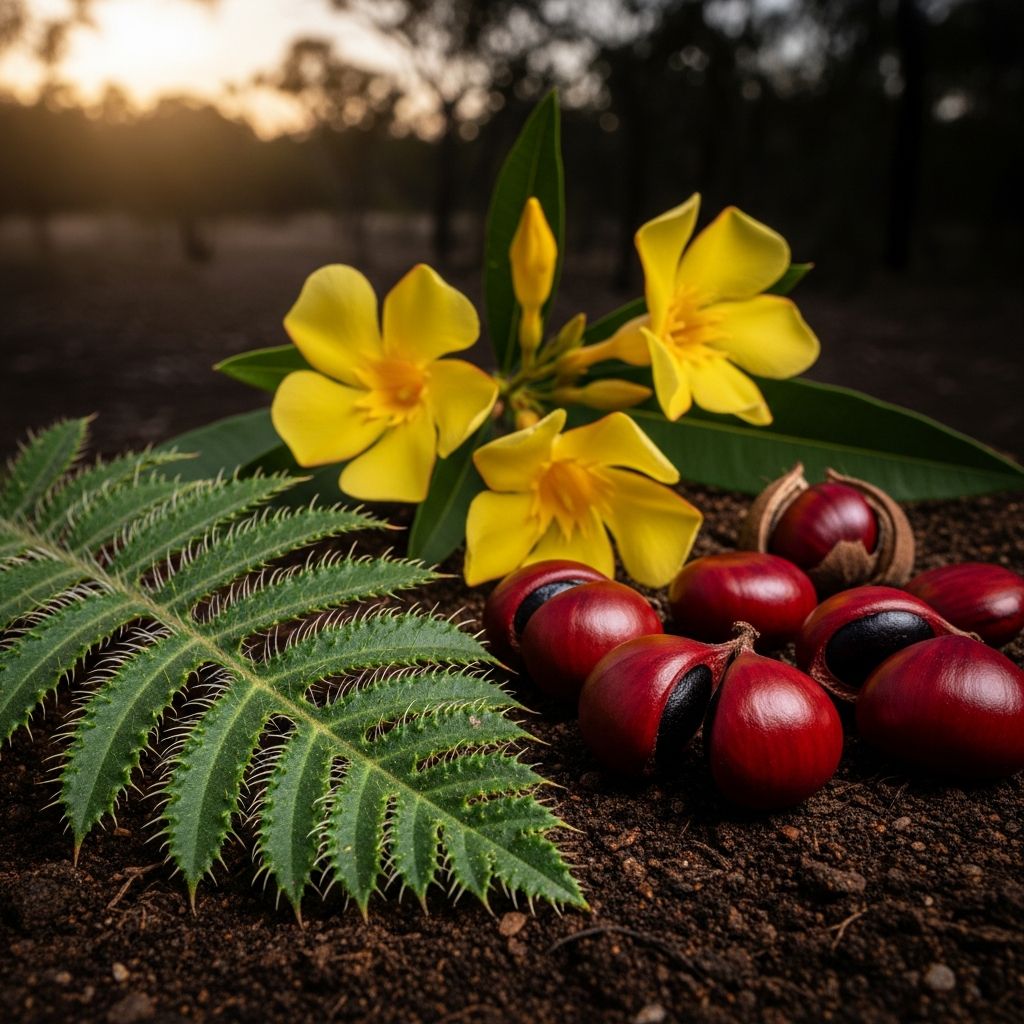
Australia’s unique ecosystems harbor a wide array of plants that pose serious risks to livestock, wildlife, pets, and even humans. From vast rangelands to suburban gardens, these toxic species can cause severe illness or death through ingestion, skin contact, or inhalation. Understanding their identification, toxic components, clinical signs, and management is crucial for farmers, veterinarians, and landowners. This article delves into major threats, emphasizing native and invasive plants prevalent across the continent.
Why Australia’s Plants Are Uniquely Hazardous
The country’s isolation has fostered evolutionary adaptations in flora, leading to potent chemical defenses against herbivores. Many native plants contain alkaloids, glycosides, or irritants that target specific organs like the heart, liver, or nervous system. Introduced species from gardens further compound the risks, especially in pastoral areas where cattle, sheep, horses, and goats graze. Poisoning incidents peak during droughts or floods when animals consume unfamiliar vegetation. Early recognition of symptoms—ranging from colic and ataxia to convulsions—can save lives through timely intervention like activated charcoal or specific antidotes.
Prominent Native Toxins in Rangelands
Native plants dominate poisoning cases in outback regions, where livestock have limited forage options. These species thrive in arid zones, subtropical forests, and coastal scrubs, making vigilance essential during dry spells.
- Black Bean (Castanospermum australe): Found along eastern riverbanks, this tall tree produces pods with seeds rich in castanospermine, a glycoside causing severe gastroenteritis. Cattle ingesting seeds suffer bloody diarrhea, dehydration, and hindlimb weakness, often fatal without fluids and supportive care.
- Gympie Gympie (Dendrocnide moroides): A stinging nettle relative in Queensland rainforests, its silica-tipped hairs deliver neurotoxins inducing excruciating pain, swelling, and hypersensitivity lasting weeks. Horses brushing against it develop lameness; humans report pain persisting for months.
- Milky Mangrove (Excoecaria agallocha): Coastal swamps host this tree whose latex sap blinds eyes on contact and blisters skin. Goats browsing leaves experience oral ulcers and colic; inhalation irritates respiratory tracts.
Introduced Garden Plants Posing Widespread Risks
Ornamental imports commonly escape cultivation, invading paddocks and backyards. Their accessibility heightens dangers for curious pets and children alongside grazing animals.
| Plant Name | Common Toxins | Affected Species | Key Symptoms |
|---|---|---|---|
| Oleander (Nerium oleander) | Cardiac glycosides | Horses, cattle, dogs | Arrhythmias, colic, sudden death |
| Angel’s Trumpets (Brugmansia spp.) | Atropine, scopolamine | All livestock, humans | Dilated pupils, hallucinations, paralysis |
| Deadly Nightshade (Atropa belladonna) | Tropane alkaloids | Sheep, pigs | Delirium, convulsions, coma |
These plants’ allure belies their lethality; even small amounts—such as oleander clippings in hay—can prove deadly. Horses show reluctance to eat but succumb if starved, displaying green froth at the mouth and irregular heartbeats.
Toxins Targeting the Nervous System
Several species disrupt neural function, leading to tremors, seizures, or paralysis. Strychnine tree (Strychnos nux-vomica), though rare, contains strychnine in seeds, causing rigid spasms in cattle that mimic tetanus. Larkspurs (Delphinium spp.) and hemlock (Conium maculatum) block nerve signals, inducing staggering and respiratory failure in sheep. Native cycads like Macrozamia spp. produce cycasin, a carcinogen devastating equine livers after chronic exposure, with symptoms like weight loss and jaundice appearing months later.
Cardiotoxic and Hepatotoxic Threats
Heart poisons like those in yellow oleander (Thevetia peruviana) mimic foxglove, slowing heart rates to lethal bradycardia in ruminants. Paterson’s curse (Echium plantagineum), a widespread annual, accumulates pyrrolizidine alkaloids in honey and liver, causing ‘walk-about disease’ in horses—staggering and stringhalt from hepatic damage. Spurge (Euphorbia spp.) latex corrodes gastrointestinal mucosa, leading to hemorrhagic enteritis.
Dermatitis and Irritant Hazards
contact toxins provoke intense reactions without ingestion. Gympie gympie aside, rhus tree (Toxicodendron succedaneum) oils cause vesicular dermatitis in sensitive animals, with cattle developing udder lesions. Euphorbias blister mouths of browsing stock, deterring further intake but risking secondary infections.
Seasonal and Regional Hotspots
Droughts drive stock to toxic weeds like variegated thistle (Silybum marianum) or native heliotrope (Heliotropium europaeum), both hepatotoxins. In northern savannas, cycad palms proliferate post-fires, poisoning macropods and cattle. Southern pastures see oleander escapes, while Tasmanian farms battle tutsan (Hypericum androsaemum) inducing photosensitivity.
Diagnosis and Veterinary Interventions
Confirming plant poisoning involves history, clinical signs, necropsy, and toxicology. Liver enzymes elevate in pyrrolizidine cases; ECG reveals glycoside effects. Treatments vary: laxatives for gut toxins, atropine for organophosphates (rare in plants), and diazepam for seizures. Prevention trumps cure—fencing, rotational grazing, and toxic plant eradication are paramount.
Strategies for Prevention and Control
- Scout pastures regularly, especially post-rain or dry periods.
- Use herbicides judiciously on targets like Paterson’s curse.
- Educate on garden plant risks; remove oleanders near stock areas.
- Provide supplements during scarcity to deter browsing.
- Train in first aid: induce vomiting in pets, seek vet for livestock.
FAQs on Australia’s Poisonous Plants
What are the most common poisoning symptoms in cattle?
Diarrhea, ataxia, jaundice, and sudden collapse signal many toxins; specifics guide antidotes.
Can pets safely eat garden plants near Australian homes?
No—oleander, datura, and lilies kill dogs and cats rapidly; supervise and plant-safe alternatives.
How do droughts exacerbate plant poisonings?
Reduced feed forces consumption of unpalatable toxics; proactive hay provision mitigates.
Are there antidotes for cycad poisoning?
No specific cure; supportive care addresses liver failure, but prognosis is poor chronically.
Which regions report highest livestock losses?
Queensland and WA rangelands see most from natives; east coast from garden escapes.
Case Studies from Australian Farms
In 2022, a NSW herd lost 20% to black bean pods mistaken for feed. Queensland horses developed stringhalt from Heliotrope-contaminated hay, resolved by removal and silymarin therapy. These underscore monitoring’s value.
References
- Poisonous plants – Austin Health — Austin Health. 2023. https://www.austin.org.au/plants
- Australia’s most poisonous plants — Australian Geographic. 2012-07-01. https://www.australiangeographic.com.au/science-environment/2012/07/australias-most-poisonous-plants/
- 10 Highly Poisonous Plants in Australia — First Aid Pro Adelaide. 2023. https://www.firstaidproadelaide.com.au/poisonous-plants-in-australia/
- The Essential List of Poisonous Plants in Australia — Jim’s Mowing. 2021-01. https://jimsmowing.com.au/2021/01/the-essential-list-of-poisonous-plants-in-australia/
- Poisonous trees and shrubs — FutureBeef. 2023. https://futurebeef.com.au/resources/poisonous-trees-and-shrubs/
Similar Articles








Read full bio of medha deb


