

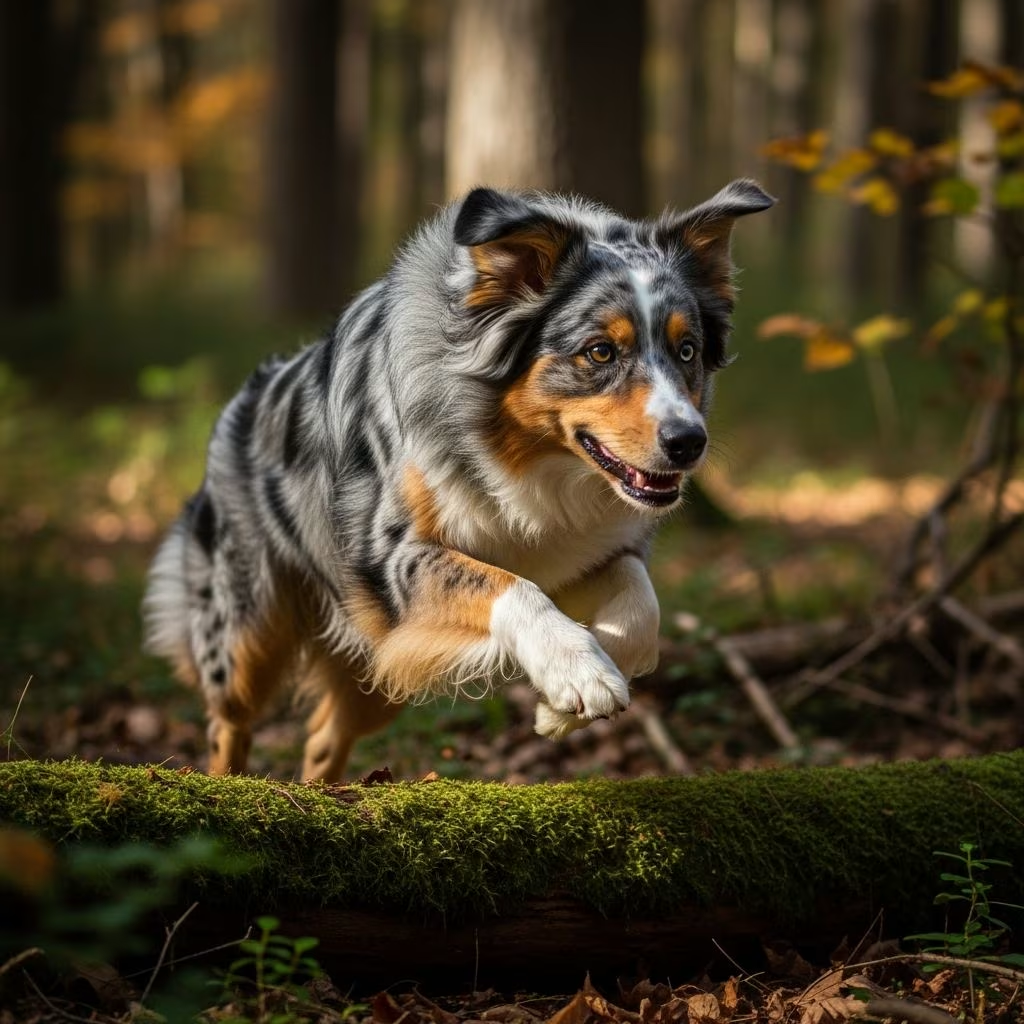
Australian Shepherds, often called Aussies, possess remarkable athleticism, sharp intelligence, and an innate drive to work, making them intriguing candidates for hunting roles despite their primary reputation as herding dogs. While not traditional hunting breeds like pointers or retrievers, their modified prey drive and endurance allow them to contribute effectively in specific hunting scenarios, such as flushing game or tracking wounded animals.
Origins and Instincts Shaping Hunting Potential
The Australian Shepherd emerged in the United States during the late 19th century, developed by ranchers in the American West to manage livestock, particularly cattle and sheep. Contrary to their name, these dogs have no direct ties to Australia; their moniker reflects the Basque sheepherders from that region who brought similar herding dogs to America. This background instilled a powerful herding instinct, which is essentially a refined form of prey drive—selective breeding modified the full predatory sequence (spot, stalk, chase, grab, kill) to stop at controlling movement without harm to stock.
In hunting contexts, this translates to a strong urge to chase and control moving objects, ideal for pursuing upland birds or small game. However, Aussies lack the specialized traits of scent hounds for trailing or waterfowl retrievers for swimming fetches. Their guardian tendencies, noted in breed standards, add alertness to detect game or threats in the field.
Physical Build for Field Demands
Aussies are medium-sized, well-balanced athletes standing 18-23 inches at the shoulder, with males typically larger. Their muscular frame supports stamina over rugged terrain, while a weather-resistant double coat—straight to wavy, medium-length—protects against brush, cold, and wet conditions common in hunts. The coat varies by climate, thicker in colder areas, and features feathering on legs and a moderate mane.
| Physical Trait | Hunting Relevance |
|---|---|
| Height: 18-23 inches | Agile navigation through dense cover |
| Weight: 40-65 lbs | Sufficient power for flushing larger game |
| Coat: Medium, weatherproof | Endures all-day exposure |
| Gait: Smooth, ground-covering | Maintains pace during long pursuits |
This build enables effortless movement, with straight legs, flexible pasterns, and a level topline that remains firm during speed. Their natural bobtail or docked version (under 4 inches) reduces snags in underbrush. Expressive eyes in varied colors (brown, blue, merle) enhance their attentive gaze, key for handler communication in the field.
Core Temperament Traits for Hunters
Breed standards describe Aussies as intelligent, versatile workers with strong herding and guardian instincts, reserved yet not shy with strangers. They thrive under firm, fair leadership, excelling as loyal partners who discern friend from foe. This thoughtful nature suits hunters needing a dog that stays focused without unnecessary distractions.
- High Intelligence: Quick learners, ideal for complex commands like quartering or holding steady.
- Work Drive: Insatiable need for tasks; idleness leads to boredom-induced issues.
- Protective Edge: Alerts to wildlife or intruders, doubling as camp guardians.
- Reserved Demeanor: Avoids overfriendliness, preventing spooking game.
Challenges include intensity toward movement—children, vehicles, or runners may trigger nips, requiring early management. Their reactivity stems from hyper-awareness, beneficial for spotting game but needing channeling.
Prey Drive: Herding Meets Hunting
At the heart of an Aussie’s hunting aptitude is their prey drive, universal to canids but amplified and redirected in herders. Wild predators complete the chase-kill cycle; herders pause at ‘bite’ to circle and stare, controlling without destroying. This makes Aussies proficient at flushing quail, pheasants, or rabbits from cover, using eye-stalk-chase to pin or drive game toward guns.
In varmint control—ridding ranches of pests like coyotes or rodents—Aussies historically excelled, leveraging grit and speed. Modern hunters report success with them on small game hunts, where endurance outlasts pointers on long days. However, their ‘heeling’ style (nipping heels) differs from soft-mouthed retrieves, potentially damaging birds if not trained out.
Training Strategies for Hunting Success
Aussies’ trainability shines with positive reinforcement and mental challenges, but their sensitivity demands consistency over harshness. Start puppy socialization to curb overprotectiveness, exposing them to gunfire, crowds, and wildlife.
- Build Basics: Obedience, recall, and steadiness to wing and shot.
- Channel Drive: Use flirt poles or herding balls to mimic game pursuit.
- Field Drills: Introduce birds via launching, rewarding controlled flushes.
- Scent Work: Though not specialists, basic tracking hones nose use.
Professional herding trials gauge instincts; dogs acing these often adapt to hunting. Avoid sedentary homes—Aussies need 1-2 hours daily exercise, more during season.
Comparing Aussies to Dedicated Hunting Breeds
| Breed | Strengths | Weaknesses vs. Aussie |
|---|---|---|
| Australian Shepherd | Versatility, stamina, intelligence | Less specialized retrieve/point |
| Pointer | Precise ranging, natural point | Lower endurance in cold/wet |
| Labrador Retriever | Soft mouth, water aptitude | Calmer, less agile in brush |
| Beagle | Superior scent trailing | Shorter legs, pack-oriented |
Aussies bridge herding and hunting uniquely, outperforming in multi-day treks but trailing specialists in niche tasks.
Health and Field Readiness Considerations
Vigorous Aussies demand health screening for hip dysplasia, eye issues (like CEA), and epilepsy, prevalent in the breed. Their high energy suits active hunters but risks joint strain without conditioning. Nutrition with joint supplements and coat care ensures peak performance. Lifespan of 12-15 years allows long partnerships.
Real-World Hunting Applications
Owners praise Aussies for upland bird hunts, where they quarter wide and flush reliably. In varmint scenarios, their speed and boldness shine against groundhogs or foxes. Some pair them with retrievers, letting the Aussie scout while the specialist fetches. Success hinges on matching owner experience—novices may struggle with their intensity.
Potential Drawbacks in Hunting Scenarios
- Over-Intensity: May chase too hard, scattering game.
- Barking: Alerts game prematurely.
- Stranger Wariness: Issues in group hunts.
- Coat Shedding: Heavy during seasons, needing grooming.
Mitigate with training; they’re not for casual pursuits.
Choosing and Preparing Your Aussie Hunter
Select from working lines with proven herding titles for stronger drives. Puppies from health-tested parents ensure longevity. Invest in vests, e-collars, and bird launchers for prep. Communities like AKC events connect owners.
Frequently Asked Questions
Can Australian Shepherds be trained to retrieve?
Yes, with dedicated training, though their herding nip may need correction for soft mouths.
Are Aussies good for waterfowl hunting?
Not ideally—their coat mats when wet, and webbed feet are absent, unlike Labs.
How much exercise do hunting Aussies need?
2+ hours daily, plus mental work to prevent destructive behaviors.
Do they work well in hot climates?
Moderate; double coats risk overheating—hunt early mornings.
What’s the best age to start hunting training?
8-12 weeks for basics, field work at 6-12 months.
References
- Australian Shepherd – Breed Standards — United Kennel Club. 1979 (ongoing). https://www.ukcdogs.com/australian-shepherd
- Typical Aussie Traits — Faithwalk Aussies. N/A. https://www.faithwalkaussiesmas.com/typical-aussie-traits
- Australian Shepherd – Dog Breeds — American Kennel Club. 2023-01-01. https://www.akc.org/dog-breeds/australian-shepherd/
- Australian Shepherd – All About Dogs — Orvis. N/A. https://www.orvis.com/australian-shepherd.html



