

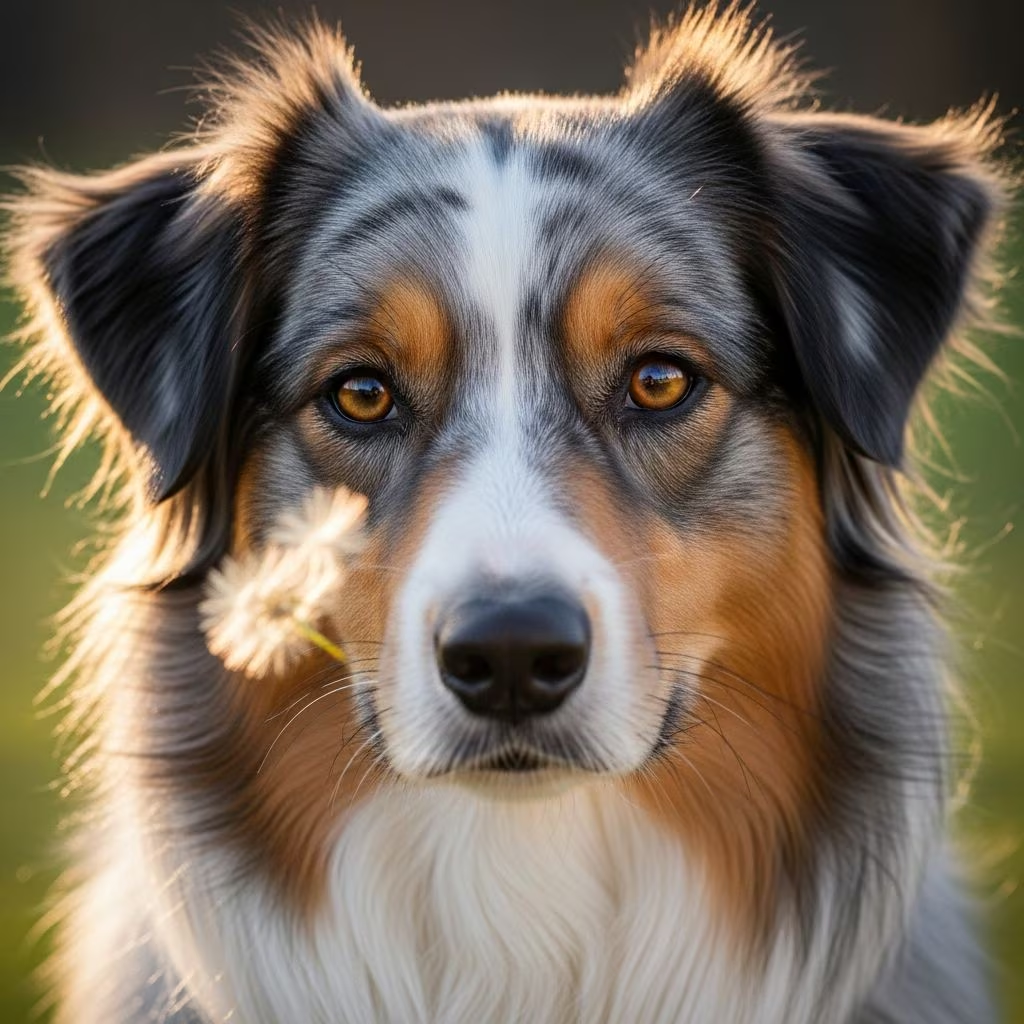
When considering bringing an Australian Shepherd into your home, one question that frequently arises is whether this popular breed is hypoallergenic. The short answer is no—Australian Shepherds are not hypoallergenic dogs. However, understanding what this means and how to manage allergies with this breed requires a deeper exploration into their coat characteristics, shedding patterns, and the nature of dog allergies themselves.
Understanding What “Hypoallergenic” Really Means
The term “hypoallergenic” is often misunderstood when applied to dogs. Contrary to popular belief, no dog breed is truly hypoallergenic. The concept refers to breeds that produce fewer allergens or shed less dander, which is a primary trigger for dog allergies. When people refer to hypoallergenic dogs, they typically mean breeds with hair that grows continuously rather than fur that sheds seasonally, such as Poodles or Doodle mixes.
Dog allergies are primarily triggered by proteins found in a dog’s saliva, urine, and skin cells (dander), not by the hair itself. While hair plays a role in distributing these allergens throughout your home, it is the dander that causes the most significant allergic reactions in sensitive individuals. Understanding this distinction helps explain why no breed can claim to be completely hypoallergenic.
The Australian Shepherd Coat: Structure and Characteristics
Australian Shepherds possess a distinctive double coat that consists of two layers: a dense undercoat and a coarse topcoat. The coat is moderately long and wavy, with short hair on the face and feathering on the rear of the legs. This double-layered structure serves important functions for the breed, originally developed to protect working dogs from harsh outdoor conditions while herding livestock.
The breed’s coat comes in several striking color patterns, including blue merle, red merle, solid black, or solid red, often with white markings and tan points. Interestingly, the Australian Shepherd breed standard notes that no two dogs share identical coat patterns, making each dog’s appearance unique.
The double coat of an Australian Shepherd is specifically designed to shed throughout the year, with increased shedding during spring and fall when the dog transitions between seasonal coat changes. This shedding pattern directly impacts allergen distribution in the home environment.
Shedding Patterns and Allergen Distribution
Australian Shepherds are moderate to heavy shedders, particularly during their seasonal coat blows. This breed sheds consistently throughout the year, meaning that managing dander and hair is an ongoing responsibility for owners. The undercoat plays a significant role in this shedding pattern, as it naturally releases loose hair regularly.
For individuals with dog allergies, this shedding pattern presents a considerable challenge. The loose hair carries dander particles throughout the home, settling on furniture, carpets, bedding, and other surfaces. The more hair shed, the greater the amount of allergen-carrying particles dispersed in the living space.
During peak shedding seasons, owners often describe the volume of hair as overwhelming. Without consistent grooming and cleaning efforts, the accumulation of shed hair and associated dander can significantly worsen allergy symptoms for sensitive household members.
Why Australian Shepherds Are Not Suitable for Severe Allergies
For individuals with moderate to severe dog allergies, Australian Shepherds are generally not recommended as suitable companions. The combination of their double coat, consistent year-round shedding, and heavy seasonal shedding means that the home environment will contain elevated levels of dog allergens regardless of maintenance efforts.
The breed’s active nature and need for constant companionship compounds this issue. Australian Shepherds are highly people-oriented dogs that prefer to be near their owners at all times. This means the dog will spend significant time in bedrooms, living areas, and other intimate spaces where allergen exposure is most problematic. The breed’s tendency to follow owners from room to room ensures that allergen distribution is maximized throughout the home.
Additionally, Australian Shepherds are vocal and alert dogs that bark and alert to unusual sounds. This means they may spend considerable time indoors during various times of the day and night, maintaining a constant source of allergen generation.
Management Strategies for Allergy-Prone Owners
For individuals with mild allergies who are determined to own an Australian Shepherd, implementing comprehensive management strategies can help reduce allergen exposure:
- Regular grooming: Brushing your Australian Shepherd several times per week, or daily during shedding season, removes loose hair before it falls into your home. Using a de-shedding tool or undercoat rake during peak shedding can significantly reduce the volume of loose hair.
- Professional grooming: Scheduling professional grooming every 6-8 weeks helps manage the coat and reduces shedding between appointments.
- Frequent vacuuming: Using a HEPA-filter vacuum cleaner multiple times per week can capture allergen-carrying particles more effectively than standard vacuums.
- Air purification: Installing HEPA air purifiers in frequently occupied rooms helps remove airborne allergens from the environment.
- Washing bedding regularly: Frequently washing dog bedding, human bedding, and blankets in hot water reduces allergen accumulation.
- Designated dog-free zones: Establishing areas of the home, particularly bedrooms, where the dog is not allowed can provide allergen-reduced spaces for rest and recovery.
- Furniture protection: Using washable covers on furniture that the dog uses reduces direct allergen transfer to surfaces where people spend extended time.
- Regular bathing: Bathing your Australian Shepherd weekly during heavy shedding seasons can reduce the amount of loose hair and dander the dog carries on its coat.
The Reality of Living with an Australian Shepherd When You Have Allergies
Even with diligent management strategies, living with an Australian Shepherd as an allergy sufferer requires realistic expectations. The breed’s natural tendencies and coat characteristics mean that some level of allergen exposure is inevitable. The success of management strategies varies significantly depending on the severity of the individual’s allergies.
Some allergy sufferers find that their symptoms improve after an adjustment period as their immune system develops a tolerance to the specific dog’s allergen profile. Others discover that symptoms worsen over time as consistent exposure amplifies their allergic response. The unpredictability of individual allergic reactions makes this a highly personal consideration.
Additionally, Australian Shepherds require substantial time and attention from their owners. The energy and focus required for proper breed management may be complicated by the additional responsibilities of managing allergens and symptoms. An owner spending significant time vacuuming, grooming, and cleaning may have less energy available for the active play and mental stimulation that Australian Shepherds demand.
Alternatives to Consider
Individuals with dog allergies who are drawn to the Australian Shepherd’s temperament and characteristics might consider breeds that shed less and produce fewer allergens. Poodles, Doodle mixes, and other breeds with continuously growing hair rather than seasonal shedding coats represent alternatives that may be more compatible with allergy management.
However, it is important to note that no breed is completely hypoallergenic. Testing your allergic reaction to a specific breed or individual dog before committing to ownership is always recommended.
Frequently Asked Questions
Can I own an Australian Shepherd if I have mild allergies?
With mild allergies and comprehensive management strategies, some individuals successfully own Australian Shepherds. However, this requires consistent effort with grooming, cleaning, and environmental controls. Before committing to ownership, spend extended time with Australian Shepherds to gauge your allergic response.
Do Australian Shepherds with certain coat colors shed less?
Shedding patterns are not determined by coat color in Australian Shepherds. All colors and patterns shed similarly based on the dog’s coat structure and seasonal cycles.
Will my Australian Shepherd shed less as it ages?
Shedding patterns typically remain consistent throughout an Australian Shepherd’s life. Senior dogs may experience changes in coat quality, but shedding volume generally does not significantly decrease with age.
Are there any medications that can help with dog allergies while owning an Australian Shepherd?
Antihistamines and other allergy medications can help manage symptoms, but they do not address the underlying allergen exposure. Consult with your healthcare provider about options that may help you coexist more comfortably with the breed.
What is the best time to groom an Australian Shepherd?
Regular grooming is beneficial year-round, but increasing grooming frequency during spring and fall when seasonal shedding occurs provides the most significant allergen reduction during peak shedding periods.
Making Your Decision
The decision to bring an Australian Shepherd into a home where allergies are a concern requires careful consideration and honest self-assessment. While the breed’s intelligence, loyalty, and engaging temperament make them wonderful companions, their shedding characteristics and constant presence in the home make them challenging for allergy sufferers.
Before making your final decision, spend significant time with Australian Shepherds, consult with your healthcare provider about your specific allergies, and evaluate whether the management strategies required are realistic for your lifestyle and energy level. For some individuals, the joy of sharing life with this remarkable breed justifies the additional effort. For others, exploring alternative breeds may lead to a more harmonious and healthy living situation.
References
- Australian Shepherd — Wikipedia. Accessed January 2026. https://en.wikipedia.org/wiki/Australian_Shepherd
- Raising an Australian Shepherd: Temperament and Development — South Texas Aussie Rescue. Accessed January 2026. https://www.southtexasaussierescue.org/raising-an-australian-shepherd-temperament-and-development/
- Australian Shepherd Dog Breed Information — Purina UK. Accessed January 2026. https://www.purina.co.uk/find-a-pet/dog-breeds/australian-shepherd
- The Australian Shepherd — Australian Shepherds Inc. Accessed January 2026. https://australianshepherds.org/finding-an-aussie/the-australian-shepherd/
- Personality and Character — Australian Shepherd Club of America (ASCA). Accessed January 2026. https://asca.org/aussies/about-aussies/personality-and-character/



