

What Makes a Double Coat Different?
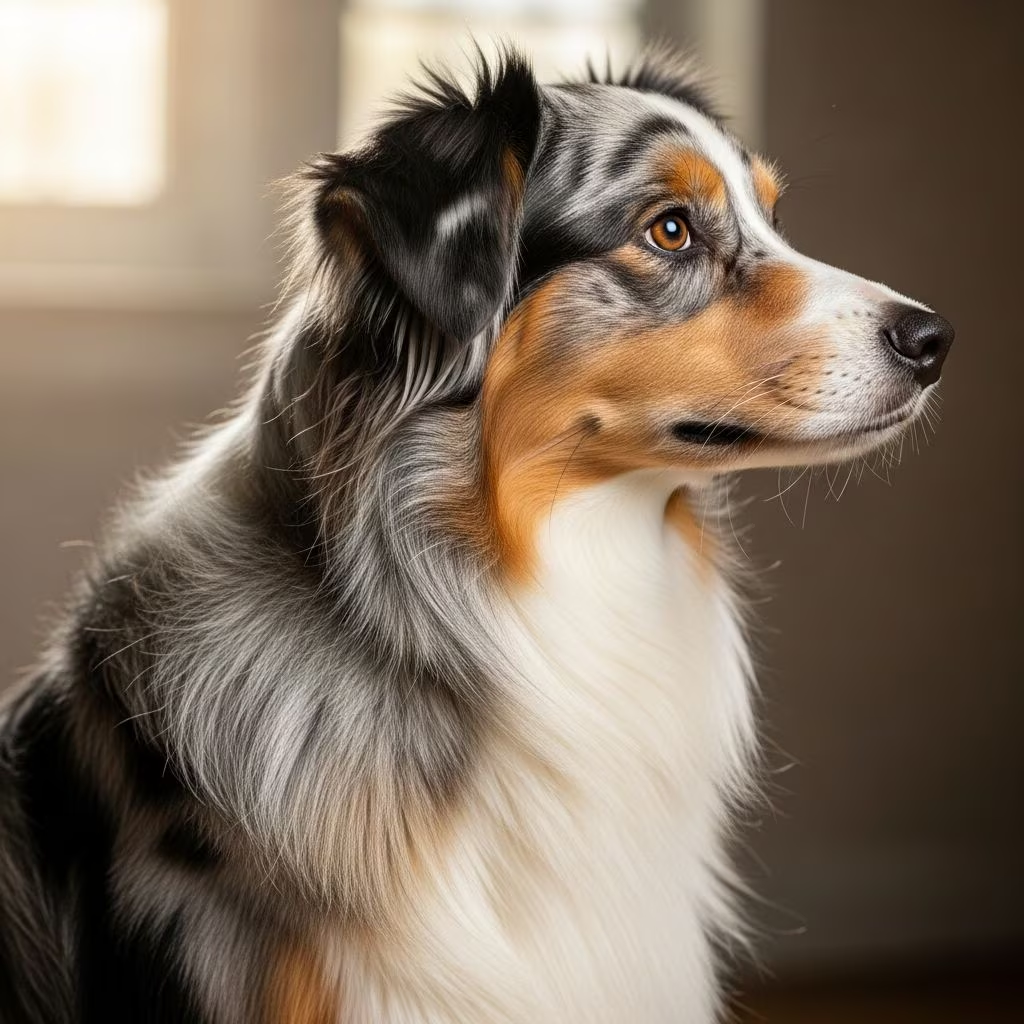
Australian Shepherds are renowned for their striking appearance and energetic disposition, but one of their most distinctive physical characteristics is their coat structure. Unlike single-coated breeds, Australian Shepherds possess a double coat system that consists of two separate layers working in tandem. This architectural design is far more complex than simply having thick fur—it represents an evolutionary adaptation that serves multiple critical functions for the breed.
A double coat comprises an outer layer, scientifically referred to as the guard coat or topcoat, and an inner layer known as the undercoat. Each layer serves distinct purposes and possesses different characteristics that contribute to the breed’s overall functionality and appearance. Understanding these layers helps dog owners appreciate why their Aussie requires specific grooming practices and why they shed in particular patterns throughout the year.
The Outer Coat: Protection and Appearance
The outer coat of an Australian Shepherd is characterized by its medium length, straight to slightly wavy texture. This layer is composed of longer, coarser hairs that form the visible exterior of the dog’s fur. The outer coat serves primarily as a protective barrier, deflecting environmental hazards and contributing significantly to the breed’s weather-resistant properties. The coat’s composition allows it to repel moisture effectively, making it particularly valuable for dogs working in outdoor conditions.
The texture of this outer layer is neither overly coarse nor fine, striking a balance that provides durability without sacrificing comfort. Males typically display a more profuse outer coat compared to females, particularly around the mane—the elongated hair around the neck—and the frill, which refers to the feathering along the chest and front legs. This sexual dimorphism in coat density is entirely normal within the breed and doesn’t indicate any health concerns.
The weather-resistant nature of the outer coat makes Australian Shepherds suitable for diverse climates. Whether facing rain or sun exposure, this outer layer acts as a natural shield, protecting the sensitive undercoat beneath. This attribute has made the breed popular among ranchers, farmers, and active families living in regions with unpredictable weather patterns.
The Undercoat: Insulation and Density
Beneath the outer coat lies the undercoat, a softer and denser layer that provides thermal insulation. The undercoat consists of fine, fluffy hairs packed closely together, creating an air-trapping barrier that regulates body temperature. The thickness and density of the undercoat varies considerably based on the dog’s native climate and genetic factors. Dogs raised in colder environments typically develop denser undercoats as an adaptive response, while those from warmer regions may have lighter undercoat density.
This dual-layer system creates a sophisticated temperature-regulation mechanism. In winter months, the undercoat expands to trap warm air close to the skin, maintaining body heat even in frigid conditions. During warmer seasons, the coat can provide some insulation against excessive sun exposure, though owners must still ensure their Aussies have adequate shade and water access during hot weather.
Seasonal Shedding: The Coat Blow Cycle
Australian Shepherds are moderate to significant shedders, with seasonal fluctuations that deserve close attention from potential owners. The breed experiences a dramatic shedding phenomenon typically occurring once or twice annually, commonly referred to as the “coat blow” or “blowing coat” cycle. During these periods, the undercoat sheds en masse as the dog transitions between seasonal coat densities.
The primary shedding seasons align with spring and fall, corresponding to seasonal temperature changes. During spring, Australian Shepherds shed their heavier winter coat to prepare for warmer months ahead. The fall shedding cycle represents the opposite transition, with dogs developing a thicker, denser coat in preparation for colder winter temperatures. These predictable shedding cycles can last several weeks, during which owners may notice significant amounts of loose hair throughout the home and on furniture.
Beyond these major shedding events, Australian Shepherds shed year-round at a steady baseline level. Seasonal shedding represents a more intensive version of this constant hair cycle. Owners should expect to find Aussie hair on clothing, furniture, and floors consistently throughout the year, with notably increased accumulation during shedding season.
Grooming Requirements and Maintenance Strategies
Proper coat maintenance is essential for keeping an Australian Shepherd healthy, comfortable, and aesthetically pleasing. The breed’s double coat demands a structured grooming routine tailored to the dog’s current shedding cycle and coat condition.
Regular Brushing Protocol
During non-shedding periods, Australian Shepherds benefit from weekly brushing sessions using appropriate tools. A pin brush or slicker brush works effectively for removing loose hair and preventing mat formation. Weekly sessions help distribute natural oils throughout the coat, promoting skin health and maintaining the coat’s luster and water-resistant properties.
During shedding seasons, the grooming frequency should increase dramatically to daily sessions when possible. Daily brushing during these intensive periods removes loose undercoat hair before it falls out naturally onto furniture and clothing. Investing in a quality de-shedding tool specifically designed to remove undercoat hair proves invaluable during shedding cycles. These specialized tools penetrate through the outer coat to reach and extract loose undercoat efficiently.
Pay particular attention to areas prone to matting, including behind the ears, under the legs, and along the tail. These regions develop denser coat concentrations that can quickly tangle if not regularly groomed. Addressing minor tangles during routine brushing prevents progression to stubborn mats that are difficult to remove.
Bathing and Skin Health
Bathing Australian Shepherds should occur occasionally as needed rather than following a rigid schedule. Excessive bathing can strip natural oils from the skin and coat, compromising the coat’s weather-resistant properties and potentially causing skin irritation. Before bathing, thoroughly brush the coat to remove loose hair and mats, as water can lock tangles tighter.
When bathing is necessary, use lukewarm water and dog-specific shampoo formulated for double-coated breeds. Rinse thoroughly to remove all shampoo residue, which can leave deposits that impair coat quality. Allow the coat to air dry completely or use low-heat settings if blow-drying, as high heat can damage the coat structure.
Additional Grooming Considerations
Beyond coat care, comprehensive grooming includes routine nail trimming, ear cleaning, and dental care. Australian Shepherds’ ear shape and hair growth can trap moisture and debris, making regular ear cleaning essential for preventing infections. Nail trimming prevents overgrowth that affects mobility and posture. Dental care maintains oral health and prevents systemic health issues associated with poor dental hygiene.
Climate Adaptation and Seasonal Coat Changes
The double coat’s primary evolutionary function was enabling Australian Shepherds to work reliably in diverse climates while herding livestock. Cold climates pose challenges for any dog breed, but the Aussie’s dense coat provides substantial protection against chilly temperatures. The insulating properties of the undercoat allow these dogs to remain comfortable in cold conditions far longer than single-coated breeds.
However, owners must exercise caution against excessive cold exposure. While the coat provides protection, prolonged exposure to extreme cold can still cause discomfort or health concerns, particularly in older dogs or puppies with less developed coats. During winter months, limit outdoor exposure during the coldest parts of the day, provide adequate shelter, and consider protective clothing for particularly frigid conditions.
High-temperature environments present different challenges. While the coat offers some sun protection, Australian Shepherds can overheat despite their weather-resistant coat. During hot months, ensure constant access to shaded areas and fresh water. Exercise activities should concentrate on cooler morning and evening hours, avoiding midday heat. Heat stress in dogs can quickly escalate to dangerous conditions, making preventive measures essential.
Shedding Management and Home Considerations
For prospective owners considering an Australian Shepherd, understanding and accepting shedding is crucial. This breed is not suitable for people with severe dog allergies, as the constant shedding produces significant dander regardless of coat quality. Dander, not hair itself, triggers most canine allergies, and the Aussie’s shedding pattern means continuous dander production.
Managing an Aussie’s shedding requires practical home strategies beyond grooming. Invest in a quality vacuum cleaner designed for pet hair, preferably with HEPA filtration. Lint rollers, lint brushes, and furniture covers help manage visible hair accumulation. Some owners find that regular grooming appointments with professional groomers, particularly during shedding seasons, provide relief from extensive home grooming demands.
Washable furniture covers protect couches and bedding from excessive hair accumulation. Regularly laundering these covers keeps your living spaces cleaner. Air purifiers with HEPA filters can help minimize airborne dander and loose hair particles, improving overall home air quality.
Health Considerations Related to Coat Quality
The condition of an Australian Shepherd’s double coat often reflects overall health status. A healthy double coat should be lustrous, with intact outer hairs and visible undercoat density. Excessive shedding, bald patches, dry or flaky skin, or a dull appearance may indicate underlying health issues including nutritional deficiencies, skin infections, parasites, or allergies.
A balanced diet rich in quality proteins, healthy fats, and essential micronutrients supports optimal coat health. Omega-3 and omega-6 fatty acids are particularly important for maintaining skin health and coat luster. Regular veterinary check-ups help identify potential health issues before they significantly impact coat quality.
Comparing Aussies to Other Double-Coated Breeds
| Breed Characteristic | Australian Shepherd | German Shepherd | Golden Retriever |
|---|---|---|---|
| Coat Texture | Straight to wavy, medium length | Straight, medium length | Wavy to curly, longer length |
| Shedding Level | Moderate to significant | Significant | Significant |
| Primary Shedding Seasons | Spring and fall | Year-round with seasonal peaks | Year-round with seasonal peaks |
| Grooming Frequency | Weekly (daily during shedding) | Daily year-round | 3-4 times weekly |
Frequently Asked Questions About Aussie Coats
Do Australian Shepherds require professional grooming?
While not absolutely required, professional grooming during shedding seasons can significantly reduce the amount of loose hair in your home. Professional groomers have specialized equipment and expertise for efficient undercoat removal. Many Aussie owners find professional grooming appointments valuable investments during peak shedding periods.
Can Australian Shepherds be shaved or trimmed short?
Shaving or significantly trimming an Australian Shepherd’s coat is generally not recommended. The double coat serves essential functions in temperature regulation and weather protection. Removing the coat compromises these protective properties and doesn’t prevent shedding—the coat will regrow with potentially altered texture and density. If shedding is a major concern, professional grooming and increased brushing are better solutions than coat removal.
How long does a coat blow typically last?
A full coat blow cycle typically spans 2-4 weeks, though some dogs experience extended periods of heavier shedding. Individual variation exists based on age, health status, and environmental factors. Consistent daily brushing during this period significantly reduces the duration and amount of loose hair accumulating in your home.
Does diet affect coat quality in Australian Shepherds?
Absolutely. High-quality nutrition directly impacts coat health and appearance. Dogs fed premium diets with adequate protein, healthy fats, and essential micronutrients typically display shinier, healthier coats compared to those on lower-quality food. Omega-3 and omega-6 fatty acids particularly support skin and coat health.
Final Considerations for Prospective Owners
Australian Shepherds’ double coats represent a significant commitment to ongoing grooming and maintenance. Individuals attracted to the breed primarily for aesthetic reasons should carefully consider whether they can accommodate the grooming demands. The breed’s coat is integral to its function and health, requiring genuine commitment from owners.
For families willing to embrace the grooming requirements, Australian Shepherds offer tremendous rewards. Their intelligence, loyalty, and athletic capability make them exceptional companions for active households. Understanding and respecting their coat’s needs ensures these remarkable dogs remain healthy, comfortable, and at their most visually striking.
References
- Australian Shepherd Dog Breed and Characteristics — Show Sight Magazine. https://showsightmagazine.com/dog-breeds/australian-shepherd/
- Coat Color and Health Standards — Australian Shepherd Club of America. https://asca.org/aussies/about-aussies/health-and-genetics/color-coat/
- Breed History and Appearance Standards — United States Australian Shepherd Association. https://australianshepherds.org/finding-an-aussie/the-australian-shepherd/



