

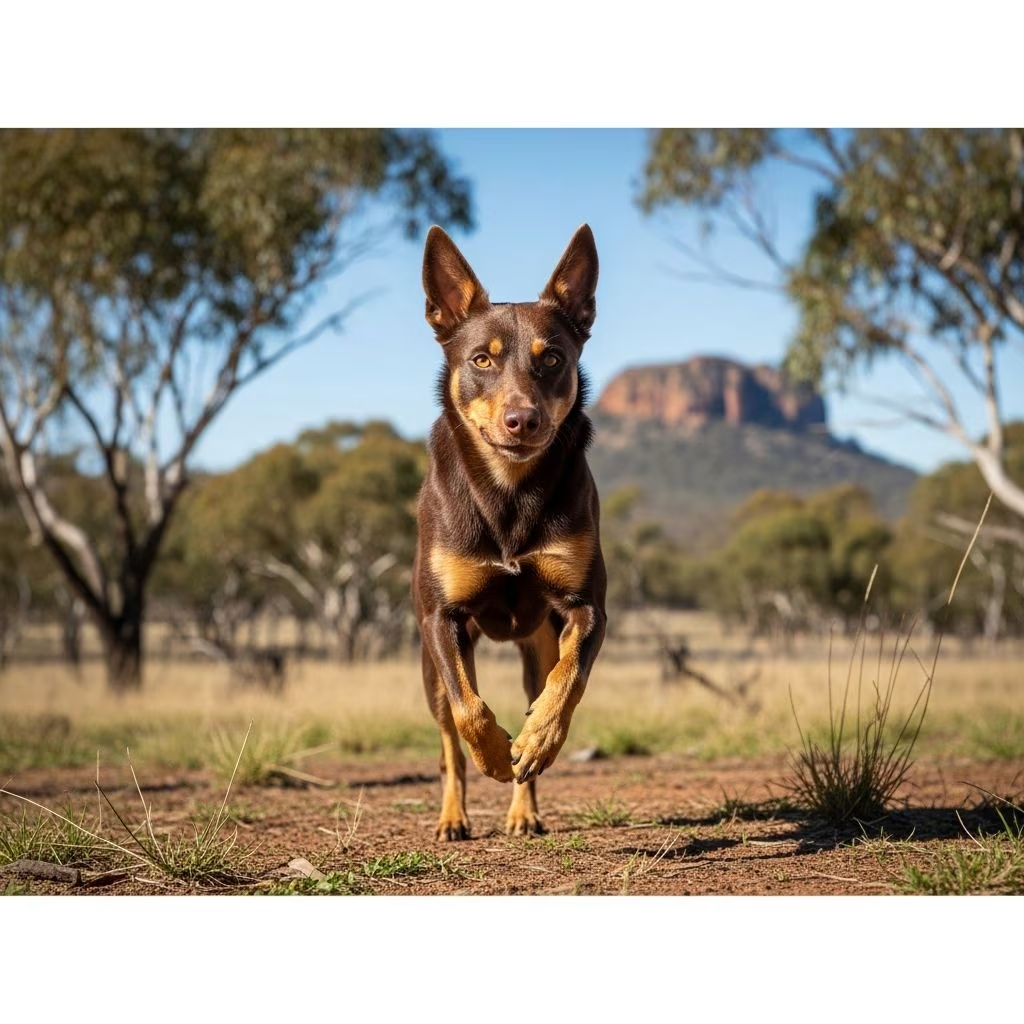
The Australian Kelpie stands out as a remarkable herding breed, renowned for its boundless energy, sharp intelligence, and unwavering loyalty. Originating from Australia’s rugged outback, this medium-sized dog was crafted for demanding livestock work, making it a top choice for farmers and active owners today.
Roots in the Outback: The Kelpie’s Historical Journey
The Australian Kelpie emerged in the mid-19th century amid Australia’s booming sheep industry. British and Scottish settlers imported collie-type dogs, known as “working collies,” to manage vast sheep stations under harsh conditions. These early dogs, often black and tan with smooth coats, formed the foundation of the breed.
By the 1870s, selective breeding refined these traits. A pivotal moment came with “Gleeson’s Kelpie,” a black and tan female whelped around 1870 on George Robertson’s property in Victoria. Named after a Scottish water sprite, she showcased exceptional herding prowess, earning fame in trials and inspiring breeders. Another influential dog, “King’s Kelpie,” a descendant, dominated events like the 1879 Forbes Sheepdog Trial, cementing the breed’s name and reputation.
Debates persist over dingo influence; folklore suggested crosses for heat tolerance, but genomic studies clarify no direct ancestry in key traits like coat or ears, though the breed’s hardiness echoes Australia’s wild heritage. By the early 1900s, Robert Kaleski formalized the first breed standard in 1904, distinguishing working lines bred for utility from show lines for conformation. Today, Kelpies power global livestock operations, from Australian merino flocks to international ranches.
Physical Build: Built for Endurance and Agility
Kelpies possess a lithe, athletic frame ideal for long days on the range. Males typically stand 17-20 inches at the shoulder and weigh 31-46 pounds, while females are slightly smaller at 17-19 inches and 25-40 pounds. Their short, dense double coat—weather-resistant and low-shedding—comes in colors like black, red, chocolate, blue, or tan, often with markings.
Erect or semi-erect ears, almond-shaped eyes, and a tapered tail enhance their alert expression. Prick ears aid hearing across open country, and their deep chest supports stamina. Two varieties exist: Working Kelpies prioritize function with leaner builds, while Show Kelpies emphasize symmetry for bench competitions. This versatility suits both farm duties and agility sports.
| Trait | Male | Female |
|---|---|---|
| Height | 17-20 inches | 17-19 inches |
| Weight | 31-46 lbs | 25-40 lbs |
| Coat | Short, double | Short, double |
| Colors | Black/tan, red, etc. | Black/tan, red, etc. |
Personality Profile: Smart, Devoted Workers
Kelpies embody keen alertness, eagerness, and high intelligence, paired with a tractable yet independent disposition. Their loyalty shines in devotion to tasks and family, thriving on purpose. Natural herders, they use eye contact, bark, and strategic nips to control stock, adapting to confined yards or expansive fields.
- Intelligent and Autonomous: They solve problems solo, excelling unsupervised but needing outlets to avoid boredom-induced mischief.
- Energetic and Affectionate: Boundless stamina suits active lifestyles; they bond deeply with owners, wary of strangers.
- Social Needs: Early exposure prevents shyness; they mesh well with animals if raised together.
Not ideal for couch potatoes—their drive demands engagement, making them perfect for runners, hikers, or farmhands.
Training Essentials: Channeling Their Brilliance
Leverage the Kelpie’s smarts with positive reinforcement from puppyhood. Their work ethic responds to consistent, firm leadership, mastering commands swiftly.
- Start socialization at 8 weeks: Expose to noises, people, and livestock for balanced adults.
- Obedience basics: Teach sit, stay, recall; advance to herding trials or agility.
- Mental workouts: Puzzle toys, scent games prevent digging or chasing.
Independence requires boundaries; crate training aids house manners. They shine in sports like flyball or obedience, fulfilling instincts. Puppies need gentle handling to build confidence.
Grooming and Daily Upkeep
Low-maintenance coats need weekly brushing to remove dirt, especially post-outdoor romps. Bathe monthly or as needed; nails trim bi-monthly, ears check weekly for infections.
Dental care via brushing and chews prevents tartar. Shedding peaks seasonally but stays minimal. Rural Kelpies self-clean effectively.
Nutrition and Exercise Regimen
Fuel their engine with high-quality, protein-rich kibble (25-30% protein) suited for active breeds. Feed 2-3 cups daily, split meals; adjust for work level. Fresh water always; avoid overfeeding to maintain lean physique.
Exercise: 2+ hours daily—runs, fetches, herding. Mental tasks add variety. Puppies: Limit jumps to protect joints.
Health Watch: Common Concerns and Prevention
Generally robust, Kelpies live 12-14 years but face risks like hip dysplasia, elbow issues, and progressive retinal atrophy (PRA). Regular vet checks, genetic screening aid early detection.
- Ceroid Lipofuscinosis: Neurological disorder; DNA tests available.
- Allergies: Skin itch from environment/food.
- Obesity: Rare but monitor in pets.
Vaccines, parasite control, spay/neuter extend vitality. Working lines may endure more but screen breeding stock.
Is a Kelpie Right for Your Lifestyle?
Thrives with committed, active owners providing jobs. Farms ideal; urbanites need vast space, stimulation. Not for novice owners or sedentary homes—bored Kelpies invent trouble. Families: Gentle with kids if socialized; supervise herding instincts.
Adopt from rescues or ethical breeders verifying health clearances. Cost: $800-$2000 puppy; prepare for training investments.
Frequently Asked Questions
Are Australian Kelpies good family pets?
Yes, with proper exercise and training; their loyalty suits families, but energy demands commitment.
How much exercise does a Kelpie need?
At least 2 hours daily, plus mental challenges to match their herding drive.
Do Kelpies get along with other dogs?
Often, if socialized early; same-sex aggression possible in unneutered males.
What’s the difference between working and show Kelpies?
Working prioritize ability; show focus appearance, though overlaps exist.
Are Kelpies hypoallergenic?
No, but low-shedding coats ease allergies somewhat.
Bringing Home Your Kelpie: Top Tips
Prepare secure yard (6-ft fence), toys, routine. Puppy classes build foundation. Their legacy as outback heroes promises rewarding partnership for dedicated humans.
References
- Understanding the Australian Kelpie: Traits, Care & Training Guide — Collieball. 2023. https://www.collieball.com/blog/understanding-the-australian-kelpie-dog-breed-traits-and-care-guide
- Breed Standards: Australian Kelpie — United Kennel Club. 2024-01-15. https://www.ukcdogs.com/australian-kelpie
- The Australian Kelpie: An Icon of Working Dog Excellence — Zealândia Pets. 2023-05-20. https://www.zealandiapets.com/pages/the-australian-kelpie-an-icon-of-working-dog-excellence
- Australian Kelpie — Wikipedia (citing primary breed histories). 2025-10-01. https://en.wikipedia.org/wiki/Australian_Kelpie
- The Origin of the Kelpie — Casterton Kelpie Association. 2022. https://www.castertonkelpieassociation.com.au/the-origin-of-the-kelpie/
- Australian Kelpie – Dog Breed Information — American Kennel Club. 2024-06-12. https://www.akc.org/dog-breeds/australian-kelpie/



