

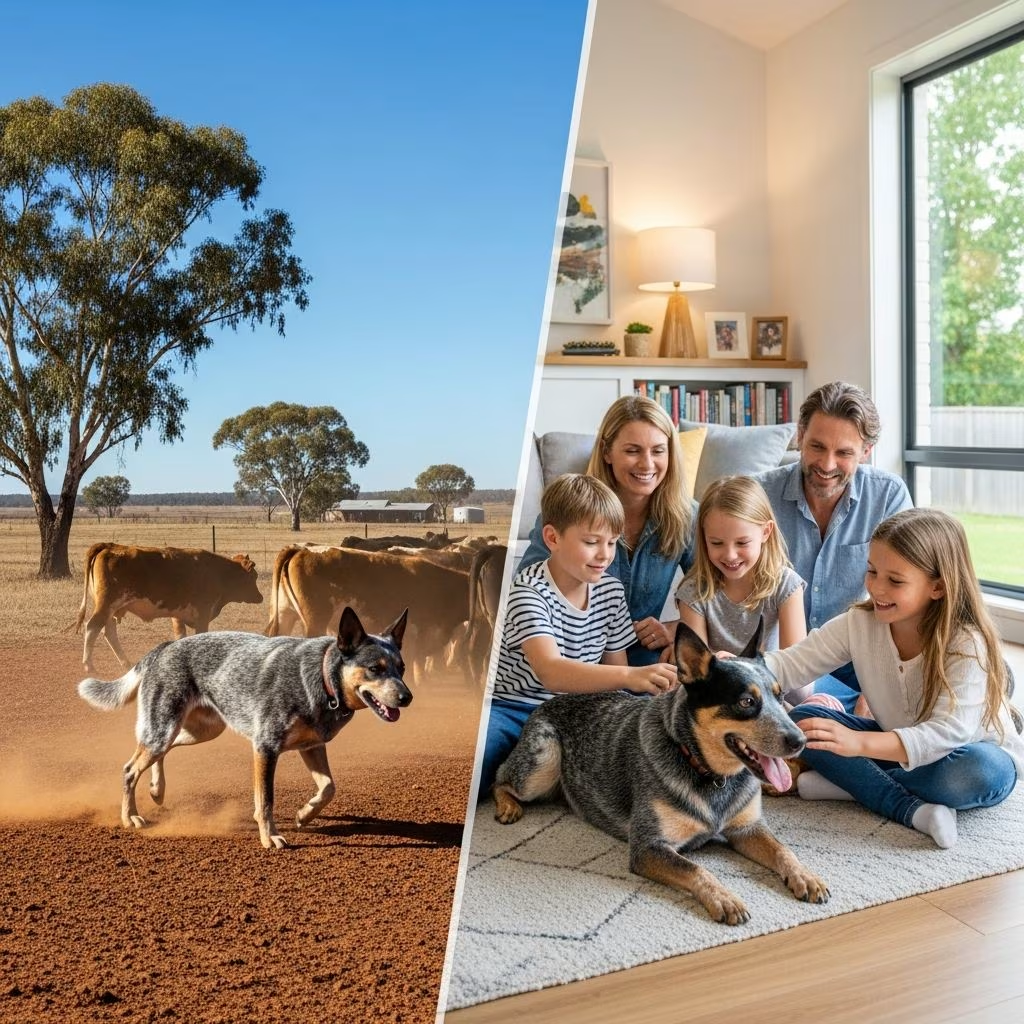
The Working Origins of an Australian Icon
The Australian Cattle Dog emerged during the 19th century in Australia, developed specifically to manage livestock across challenging terrain and vast distances. Stockmen and drovers needed a dog with exceptional stamina, resilience, and tenacity—qualities that could withstand untamed cattle and rugged conditions. Rather than simply following commands, these dogs required the ability to make independent decisions when managing large, dangerous herds of wild cattle. Their quiet herding style and obedient devotion to owners made them highly valued across Australia. By the late 1800s, the breed became standardized and widely recognized. International recognition followed when the American Kennel Club accepted the breed for registration in 1980.
Physical Characteristics and Appearance
Australian Cattle Dogs present a distinctive appearance shaped by their working heritage. These dogs are sturdy, muscular, and compact, with a symmetrical build that emphasizes function over refinement. Their solid frame typically measures 17 to 20 inches at the withers, with males generally larger than females. Weight typically ranges from 15 to 22 kilograms, contributing to their athletic yet powerful presence.
Head and Facial Features
The breed’s head structure reveals dingo ancestry through a strong, slightly curved broad skull. Muscular cheeks and a powerful muzzle and jaw create a slightly intimidating but intelligent appearance. The eyes are oval and dark, displaying a keen, alert expression that reflects their intelligence and watchfulness. Medium-sized, pricked ears set wide apart enhance their alert demeanor and provide excellent hearing for livestock detection. Strong teeth and a clear stop between the eyes further emphasize their toughness and working capability.
Coat and Color Variations
Australian Cattle Dogs feature a dual coat designed for weather resistance and protection. The outer layer consists of moderately short, straight, medium-texture hairs, while a short, dense undercoat provides additional insulation. Puppies are born predominantly white, with black or red head markings and body patches gradually becoming visible. True color emerges by approximately three weeks of age.
The breed displays two primary color varieties:
- Blue variety: Blue or blue mottled coloring with black, blue, or tan markings on the head; often featuring a tan undercoat. These dogs are sometimes called “blue heelers” due to their coloring.
- Red variety: Even red speckle coloring, influenced by Dalmatian genetics in the breed’s development, with or without darker red markings on the head.
Body Structure and Tail
The breed’s body structure reflects their selection for toughness and stamina. An exceptionally muscular and somewhat stocky neck supports broad shoulders and a deep chest, providing the power needed for herding work. The tail is naturally long and undocked, set low and hanging to the level of the hocks. At rest, the tail hangs in a slight curve, though excited dogs may carry it higher. A solid color spot often appears at the tail’s base with a white tip.
Temperament and Personality Traits
Australian Cattle Dogs are renowned for their exceptional intelligence and boundless energy. They rank 10th in Stanley Coren’s The Intelligence of Dogs, indicating their superior trainability and problem-solving abilities. Within their own households, these dogs prove affectionate and playful, forming strong bonds with family members. However, they are naturally cautious and reserved with strangers, making them excellent guard dogs when trained for this purpose.
Loyalty and Protective Instincts
These dogs demonstrate unwavering devotion to their owners and display natural protective instincts toward their families and possessions. While they are not excessive barkers, they will howl to communicate and respond quickly to threats or unusual circumstances. Their protective nature means they may defend owners without waiting for a command, requiring proper socialization and training to prevent unwanted defensive behaviors. Early exposure to diverse people and environments as puppies helps them distinguish between genuine threats and normal social situations.
Independence and Herding Instincts
Australian Cattle Dogs possess a notable independent streak, a trait essential for their original livestock management role. These dogs were bred to make autonomous decisions when managing cattle, and this characteristic remains prominent today. Their herding heritage manifests in a tendency to nip at moving objects and people, particularly younger children who run or squeal. This herding behavior, while useful for livestock, requires redirection in family settings through consistent training and socialization.
Exercise and Activity Requirements
Australian Cattle Dogs are highly energetic dogs requiring substantial daily exercise and mental stimulation. These dogs thrive when they have meaningful work or activities to occupy their time and minds. Without adequate exercise and engagement, they become destructive and develop behavioral problems. Apartment living is unsuitable for this breed due to their need for space and activity.
Ideal Activities and Sports
Australian Cattle Dogs excel in structured activities that leverage their natural abilities and intelligence. Dog agility is particularly popular among owners, as these dogs navigate obstacle courses with remarkable precision due to their responsiveness to handler body language. Agility training builds confidence and enhances their performance in both training and competition contexts. Additional sports where the breed succeeds include weight pulling, flyball, and schutzhund. Activities that owners can share with their dogs, such as canicross, disc dog competitions, and bikejoring or skijoring, prove especially rewarding. Their natural endurance and preference for staying close to owners make them exceptional hiking companions.
Training and Socialization
Australian Cattle Dogs respond well to structured training, particularly when the training is interesting and challenging. Their intelligence means they quickly tire of repetitive, mundane exercises and require mental engagement to maintain focus. Early socialization is critical to developing well-adjusted family members and to managing their natural wariness toward strangers and new situations. By the time puppies are weaned, they should have learned that human company is enjoyable and that responding to human cues brings rewards.
Training should emphasize positive reinforcement and consistency. Harsh treatment can trigger unwanted behaviors, as these dogs were originally bred to move reluctant cattle through biting and will respond defensively to perceived aggression. Firm, consistent guidance helps channel their independent nature and keen problem-solving abilities productively.
Grooming and Maintenance
Australian Cattle Dogs are relatively easy to groom and maintain compared to many other breeds. They shed once or twice yearly, with weekly brushing recommended during these periods to keep the coat healthy and manage loose hair. Their close, weather-resistant coat requires little more than regular brushing and occasional baths. These dogs are adapted to most climates, though their dual coat provides excellent protection in varying weather conditions.
Health Considerations
Like all dog breeds, Australian Cattle Dogs are predisposed to certain health conditions. The most common hereditary concerns are deafness and progressive blindness, both inherited conditions that prospective owners should discuss with breeders. Accidental injuries represent another concern, particularly given their high energy levels and active lifestyles. Regular veterinary check-ups and responsible breeding practices help minimize health risks within the breed.
Is an Australian Cattle Dog Right for Your Home?
Australian Cattle Dogs suit families and individuals who understand and appreciate their working heritage and demanding nature. These dogs thrive with active owners who provide adequate exercise, mental stimulation, and meaningful work or activities. They perform best in environments where they have space to run and play rather than confined urban apartments.
Families with older, considerate children generally find success with the breed. However, their herding instinct and tendency to nip at heels may pose challenges with younger children unless properly managed through training. Potential owners should commit to ongoing training, socialization, and providing outlets for the dog’s natural energy and intelligence.
Frequently Asked Questions
Why do Australian Cattle Dogs nip at heels?
Australian Cattle Dogs were originally bred to herd cattle by nipping and biting, moving reluctant animals through targeted ankle and heel contact. This herding instinct remains strong in the breed today, and young dogs particularly may exhibit this behavior toward running children or other moving targets. Proper training and redirection can manage this instinct in family settings.
How much exercise do Australian Cattle Dogs need daily?
These highly energetic dogs require substantial daily exercise—typically at least one to two hours of vigorous activity. Without adequate physical and mental stimulation, they become bored, destructive, and may develop behavioral problems.
Are Australian Cattle Dogs good apartment dogs?
No, Australian Cattle Dogs are not well-suited to apartment living. They require significant space and regular access to outdoor areas where they can run, play, and burn their abundant energy. Confined spaces can lead to destructive behaviors and frustration.
What health issues should I expect with this breed?
The primary hereditary health concerns are deafness and progressive blindness. Prospective owners should work with reputable breeders who screen for these conditions and discuss health testing protocols.
References
- The Australian Cattle Dog Breed — Hill’s Pet Nutrition. https://www.hillspet.com/dog-care/dog-breeds/australian-cattle-dog
- Is an Australian Cattle Dog right for your family? — Greencross Vets. https://www.greencrossvets.com.au/pet-library/breed-guide/dog/is-an-australian-cattle-dog-right-for-your-family/
- Australian Cattle Dog — Wikipedia. https://en.wikipedia.org/wiki/Australian_Cattle_Dog
- Blue Heeler breed insights: care, personality & expert tips — Lyka Blog. https://lyka.com.au/blog/blue-heeler-breed-guide



