

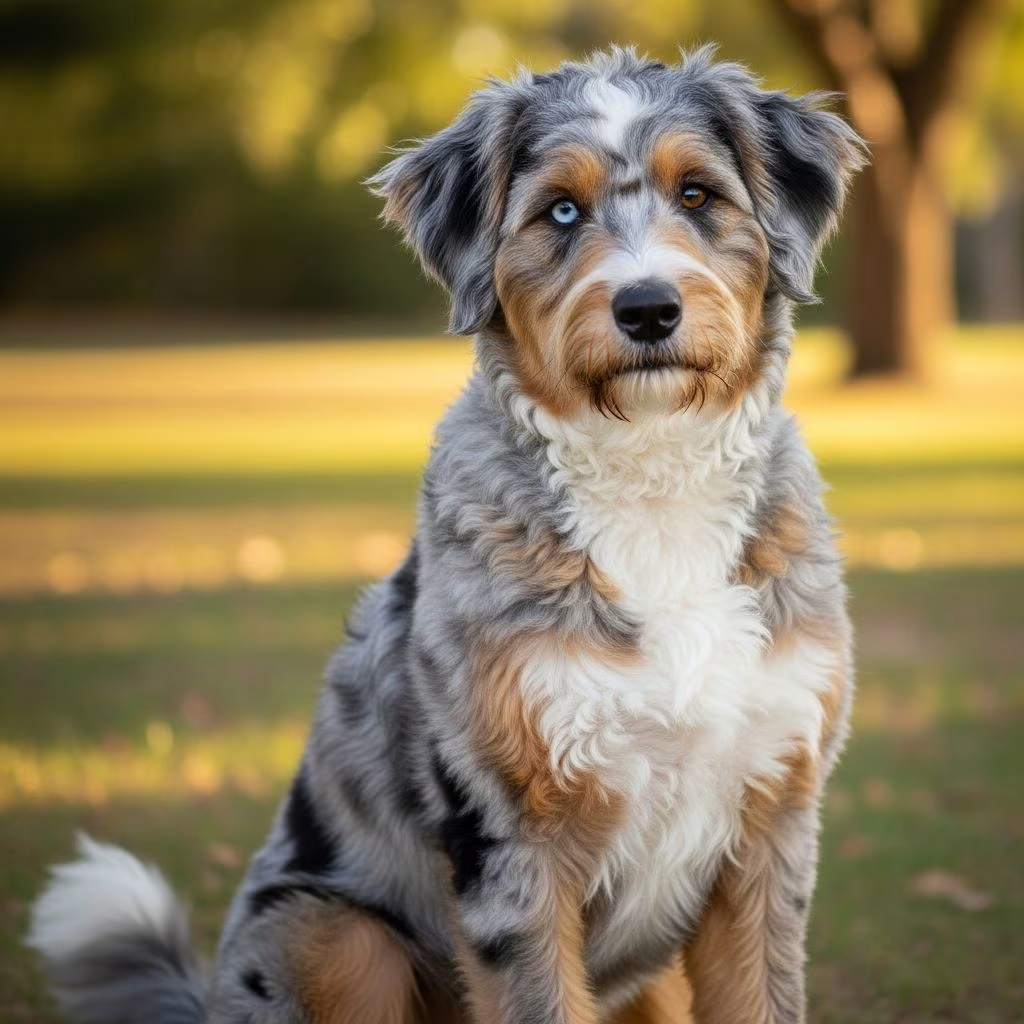
The Aussiedoodle, a delightful cross between the Australian Shepherd and the Poodle, has captured the hearts of dog lovers worldwide with its boundless energy, sharp mind, and affectionate nature. This hybrid breed combines the herding prowess and athleticism of the Australian Shepherd with the intelligence and curly-coated elegance of the Poodle, resulting in a versatile companion that’s as suitable for family life as it is for demanding activities like agility sports or therapy work. Whether you’re considering adding one to your home or simply curious, this comprehensive guide covers origins, physical traits, behavior, care essentials, and more to help you decide if an Aussiedoodle fits your lifestyle.
Origins and Development of the Aussiedoodle
Aussiedoodles emerged in the United States during the late 20th century as breeders sought to blend the best qualities of two exceptional working breeds. The Australian Shepherd, developed in the American West for herding livestock, brings stamina, agility, and a strong work ethic. The Poodle, originally a water retriever from Germany and later refined in France, contributes superior intelligence, hypoallergenic fur, and a playful spirit. This intentional crossbreeding aimed to produce a dog with reduced shedding, heightened trainability, and the drive for mental and physical challenges.
Unlike purebreds recognized by major kennel clubs, Aussiedoodles are designer hybrids, meaning their traits can vary across generations. First-generation (F1) crosses often show a mix of parental characteristics, while multi-generational breeding (F1B or F2) may emphasize Poodle-like low-shedding coats. Popularity surged in the 2000s due to demand for allergy-friendly, family-oriented dogs that thrive in active households. Today, they serve in roles from family pets to service animals, showcasing their adaptability.
Physical Characteristics and Variations
Aussiedoodles come in multiple sizes, influenced by the Poodle parent’s stature—standard, miniature, or toy—allowing families to choose based on living space. Standard Aussiedoodles typically stand 20-24 inches tall at the shoulder and weigh 50-70 pounds, while miniatures range from 10-15 inches and 15-30 pounds. Their build is athletic yet sturdy, with a well-proportioned frame suited for endurance activities.
Coat types vary widely: straight and sleek like the Australian Shepherd, wavy and flowing, or tight curls mimicking the Poodle. Colors span a spectrum including black, red, blue merle, parti (spotted), phantom patterns, and bi-colors, often with striking markings around the eyes and chest. Low-shedding fur makes them appealing for allergy sufferers, though texture affects grooming demands—curly coats mat easily, requiring diligent care.
Facial features include expressive eyes in shades of brown, blue, green, or heterochromia (two colors), floppy ears, and a medium muzzle that tapers to a dark nose. Their overall appearance is charmingly shaggy or neatly trimmed, depending on grooming style.
| Size Variant | Height | Weight | Typical Energy Level |
|---|---|---|---|
| Standard | 20-24 inches | 50-70 lbs | High |
| Miniature | 10-15 inches | 15-30 lbs | High |
| Toy (less common) | Under 10 inches | Under 15 lbs | Medium-High |
Temperament and Personality Traits
Aussiedoodles are renowned for their friendly, outgoing demeanor, blending the Australian Shepherd’s playfulness with the Poodle’s eagerness to please. Highly intelligent—often ranking among the smartest hybrids—they excel in obedience, tricks, and dog sports, picking up commands quickly with positive reinforcement. Their affectionate nature fosters deep bonds, especially with one or two family members, making them intuitive companions who sense emotions and offer comfort.
These dogs are social butterflies, generally good with children, other pets, and strangers when properly socialized. However, their herding heritage may prompt nipping at heels or chasing moving objects, which training can manage. Energy levels are high; they thrive on interaction and can become bored or destructive without it, channeling excess vigor into chewing or digging. Loyal and protective without aggression, they make vigilant yet gentle watchdogs.
- Intelligent and Trainable: Quick learners who love puzzles and tasks.
- Energetic and Playful: Ideal for fetch, hikes, and agility.
- Affectionate and Loyal: Forms strong family attachments.
- Social and Adaptable: Fits apartments or homes with exercise.
- Sensitive: Responds to owner moods; prone to separation anxiety.
Ideal Living Environments and Family Fit
Aussiedoodles flourish in active households where they receive ample attention and outlets for their vitality. They’re excellent family dogs, patient with kids and tolerant of other animals, provided early socialization curbs herding instincts around small children or pets. Their adaptability suits various homes—from spacious yards to apartments—if daily exercise is met.
Not ideal for sedentary owners or those frequently absent, as boredom leads to behavioral issues. They excel with runners, hikers, or families involved in sports, participating eagerly in swimming, dock diving, or therapy visits. Reserved with strangers initially, training ensures confident interactions.
Exercise and Mental Stimulation Needs
With roots in herding and retrieving, Aussiedoodles demand 60-90 minutes of daily vigorous exercise, split into walks, runs, play sessions, or structured activities. Mental engagement is equally vital: puzzle toys, scent games, and training drills prevent restlessness. Herding instincts necessitate secure, fenced areas or leashes to avoid chasing wildlife or vehicles.
Incorporate variety like agility courses, obedience classes, or herding balls to satisfy their drive. Insufficient activity risks hyperactivity or mischief, but fulfilled Aussiedoodles are content couch companions post-exertion.
Grooming and Maintenance Essentials
Despite low shedding, regular grooming prevents mats, especially in wavy or curly coats. Brush 3-5 times weekly with a slicker brush; professional grooming every 6-8 weeks maintains shape and health. Bathe monthly with dog-safe shampoos, and check ears weekly to avert infections from floppy design.
Nail trims bi-monthly, dental care daily, and coat clips (puppy cut or longer styles) keep them pristine. High-maintenance fur demands commitment, but rewards allergy-friendly companionship.
Health Considerations and Lifespan
Aussiedoodles live 10-15 years with proper care, but hybrids inherit potential issues from parents: hip/elbow dysplasia, progressive retinal atrophy (PRA), epilepsy, Addison’s disease, and multi-drug resistance sensitivity. Responsible breeders screen via OFA or PennHIP certifications.
Maintain wellness through annual vet checks, balanced diet (high-protein for activity), weight management, and parasite prevention. Early spay/neuter discussions with vets optimize health.
Nutrition and Diet Recommendations
Fuel their energy with premium kibble formulated for active medium-large breeds, portioned by weight and activity—2-4 cups daily, split into meals. Incorporate proteins like chicken or fish, omega fatty acids for coat health, and glucosamine for joints. Fresh water always; monitor for allergies common in Poodle lineage. Treats for training should be low-calorie to prevent obesity.
Training Strategies for Success
Leverage their intellect with positive, reward-based methods from puppyhood. Crate training combats separation anxiety; socialization exposes them to stimuli. Teach commands like “leave it” for herding control. Consistency yields a well-mannered dog excelling in advanced roles.
Pros and Cons of Owning an Aussiedoodle
| Pros | Cons |
|---|---|
| Highly intelligent and trainable | High energy demands extensive exercise |
| Affectionate, family-friendly | Grooming-intensive coat |
| Low-shedding, hypoallergenic | Prone to boredom/destructiveness |
| Versatile for sports/therapy | Potential health issues from parents |
| Adaptable to active lifestyles | Not for novice or inactive owners |
Frequently Asked Questions (FAQs)
Are Aussiedoodles good for apartments?
Yes, with sufficient daily exercise and mental stimulation, even smaller spaces work well.
Do Aussiedoodles bark a lot?
Moderately; training manages alerting barks from protective instincts.
How much do Aussiedoodles cost?
Puppies range $1,500-$4,000 from reputable breeders; adoption cheaper.
Are they hypoallergenic?
Generally low-shedding, but not guaranteed; test exposure.
What’s the best way to exercise an Aussiedoodle?
Mix cardio like running with brain games like puzzles or herding toys.
References
- Aussiedoodle Dog Breed Characteristics & Facts — DogTime. 2023. https://dogtime.com/dog-breeds/aussiedoodle
- Aussiedoodle Characteristics, Care & Photos — Chewy. 2024. https://www.chewy.com/education/dog-breeds/aussiedoodle
- Aussiedoodles 101: Traits, Training, and Tips — The Doodle Pro. 2023. https://thedoodlepro.com/aussiedoodle-traits-training-tips/
- Aussiedoodle Dog Breed Facts & Information — Rover. 2024. https://www.rover.com/blog/breeds/aussiedoodle/
- Aussiedoodle Dog Breed Health and Care — PetMD. 2024-01-15. https://www.petmd.com/dog/breeds/aussiedoodle
- Aussiedoodle: Your Complete Guide — Dog Academy. 2023. https://dogacademy.org/breeds/aussiedoodle



