

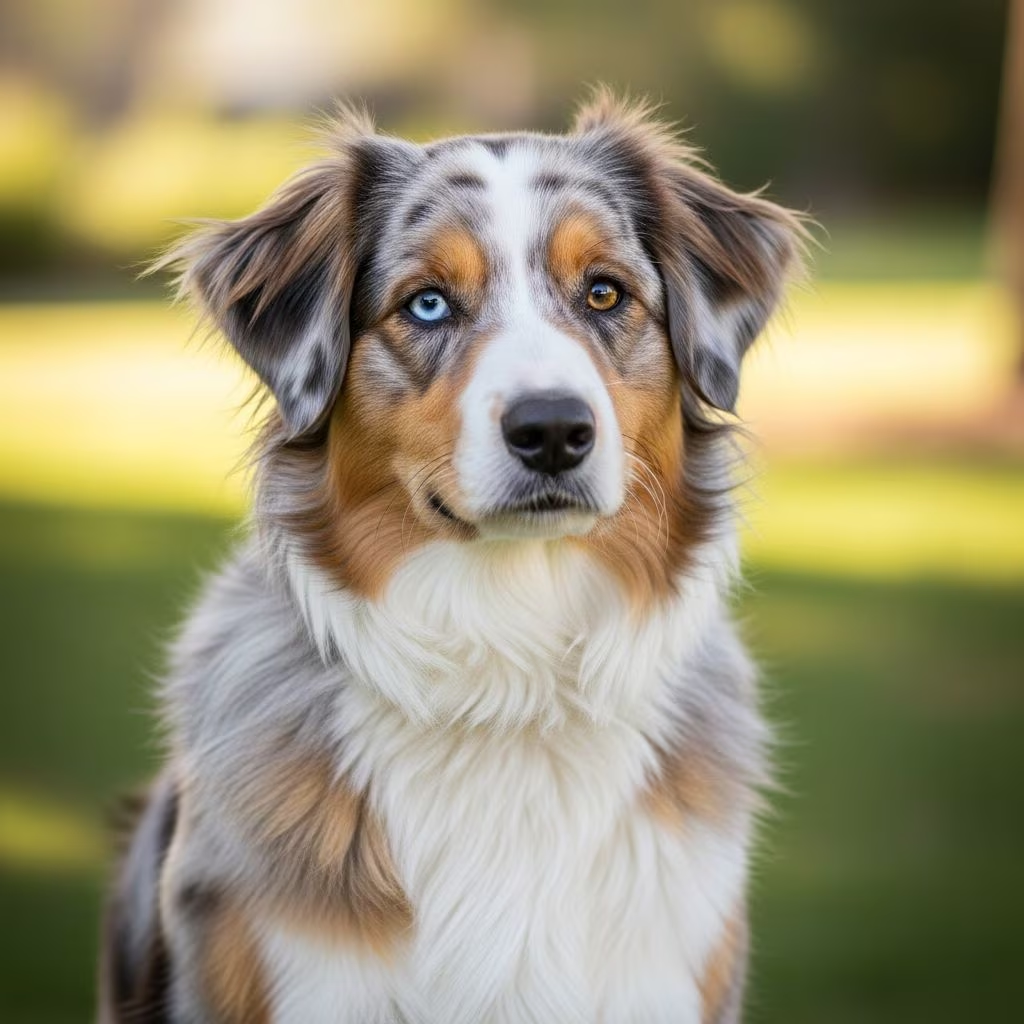
The Aussiedoodle, a captivating blend of the Australian Shepherd and Poodle, has surged in popularity for its blend of intelligence, athleticism, and affectionate nature. This hybrid dog combines the herding prowess and work ethic of the Aussie with the Poodle’s smarts and low-shedding coat, resulting in a versatile companion ideal for active lifestyles.
Origins and Development of the Aussiedoodle
Aussiedoodles emerged in the United States as breeders sought to merge the desirable qualities of two exceptional working breeds. The Australian Shepherd, developed for ranch work, brings agility, loyalty, and a keen herding instinct. The Poodle, historically a water retriever, contributes exceptional intelligence and a coat that sheds minimally. This crossbreed gained traction in the early 2000s, appealing to families desiring a hypoallergenic, trainable dog with boundless energy.
Unlike purebreds recognized by major kennel clubs, Aussiedoodles fall into the designer dog category. Their lineage isn’t standardized, leading to variations across generations. First-generation (F1) Aussiedoodles result from direct Aussie-Poodle matings, while multi-generational crosses aim for more predictable traits. Breeders focus on health testing to mitigate inherited issues, emphasizing the hybrid’s potential for vigor through genetic diversity.
Physical Characteristics and Size Variations
Aussiedoodles exhibit a wide array of appearances influenced by parental genetics. Their build is athletic and sturdy, supporting their active lifestyle. Sizes range from petite toy varieties to robust standards, depending on the Poodle parent’s stature.
| Size Category | Height | Weight | Typical Parent Mix |
|---|---|---|---|
| Toy | 10-15 inches | 15-25 lbs | Toy Poodle x Mini Aussie |
| Miniature | 15-20 inches | 25-45 lbs | Mini Poodle x Aussie |
| Standard | 20-26 inches | 45-75 lbs | Standard Poodle x Aussie |
Coats are typically curly or wavy, offering low to non-shedding qualities that appeal to allergy sufferers. Colors span black, blue merle, red, cream, apricot, and multi-toned patterns like parti or tri-color. Eyes may be brown, blue, or heterochromatic; ears floppy or semi-erect; noses black, liver, or pink. Tails are often long and carried high, sometimes naturally bobbed.
Temperament and Behavioral Traits
Renowned for their **bright minds** and **boundless energy**, Aussiedoodles thrive on engagement. Inheriting top-tier intelligence from both parents—they rank among the smartest breeds—they excel in learning commands, tricks, and tasks. This sharpness demands mental challenges; boredom leads to mischief like excessive barking or destructive chewing.
- Affectionate Velcro Dogs: They form deep bonds, craving family interaction and offering unwavering loyalty.
- Social Butterflies: Gentle with children and pets when socialized early, though herding instincts may prompt nipping at heels.
- Protective Yet Friendly: Alert to strangers but trainable to discern threats, making them vigilant without aggression.
- High-Energy Athletes: Eager for adventures, excelling in agility, hiking, swimming, and dock diving.
Without 1-2 hours of daily exercise, they may develop anxiety or hyperactivity. Early socialization curbs overprotectiveness in busy environments.
Grooming and Coat Maintenance Essentials
The Aussiedoodle’s hallmark **hypoallergenic coat** requires consistent care to prevent matting. Brush 3-5 times weekly with a slicker brush or comb, focusing on dense curls. Professional grooming every 6-8 weeks keeps fur tidy—styles range from puppy cuts to fuller teddy bear looks.
- Bathing: Monthly with gentle, moisturizing shampoos to combat dry skin.
- Nail Trims: Bi-weekly to avoid overgrowth.
- Ear Cleaning: Weekly, as floppy ears trap moisture.
- Dental Care: Daily brushing and vet dental checks.
Diet impacts coat health; omega-rich foods support shine and reduce allergies.
Exercise and Enrichment Strategies
**Active families** find perfect partners in Aussiedoodles, who need vigorous outlets for their sporting heritage. Aim for 60-120 minutes daily, mixing cardio and brain games.
- Outdoor Pursuits: Runs, bike jogs, fetch, or herding ball games.
- Water Sports: Swimming leverages Poodle roots.
- Mental Work: Puzzle toys, scent training, obedience drills.
- Canine Sports: Agility, rally, or flyball competitions.
Puppies under 18 months require moderated activity to protect growing joints. Crate training aids house manners, preventing unwanted herding of family members.
Nutrition and Dietary Recommendations
Fuel this high-octane breed with premium, breed-sized kibble emphasizing protein (25-30%), healthy fats, and joint-supporting glucosamine. Fresh, whole-food toppers enhance palatability and nutrition.
- Puppies: Frequent meals with growth-formulated food.
- Adults: Twice-daily portions based on activity.
- Seniors: Lower-calorie options with omega-3s for mobility.
Monitor weight to prevent obesity, a risk for less active Aussiedoodles. Consult vets for allergy-prone individuals.
Health Considerations and Preventive Care
Hybrid vigor bolsters resilience, but vigilance catches breed predispositions early. Lifespan averages 12-15 years with proactive care.
| Common Concerns | Prevention/Treatment |
|---|---|
| Hip/Elbow Dysplasia | X-rays, supplements, weight control |
| Progressive Retinal Atrophy (PRA) | Genetic testing, eye exams |
| Skin Allergies/Ear Infections | Hypoallergenic diet, routine cleaning |
| Epilepsy/Addison’s | Vet monitoring, medication |
Annual vet visits, vaccinations, and parasite prevention are crucial. Reputable breeders provide OFA/Embark certifications.
Training Techniques for Success
Leverage their **eagerness to please** with positive reinforcement—treats, praise, toys. Start early: housebreaking by 8 weeks, basic cues by 12.
- Impulse Control: “Leave it,” “wait” for herding curbs.
- Advanced Skills: Herding trials or therapy certification.
- Socialization: Puppy classes expose to stimuli.
Consistency prevents stubborn streaks from their intelligent lineage.
Choosing Your Aussiedoodle: Breeder vs. Adoption
Seek ethical breeders with health guarantees, transparent lineages, and home-raised pups. Avoid puppy mills. Rescues offer purebred mixes—check Petfinder or breed-specific groups. Visit, query pedigrees, observe parents.
Family Integration and Lifestyle Fit
Aussiedoodles shine in homes with space, time, and activity commitment. Excellent for kids, they teach responsibility through play. Apartments work with diligent exercise; rural settings ideal.
Frequently Asked Questions (FAQs)
Are Aussiedoodles good for beginners?
Best for experienced owners due to high needs, but trainable for dedicated novices.
Do Aussiedoodles bark a lot?
Moderately; training minimizes alert barking.
How much do Aussiedoodles cost?
$1,500-$4,000 from breeders; adoptions lower.
Are they fully hypoallergenic?
Often low-shedding, but no guarantee—test exposure.
Can they live in hot climates?
Yes, with shade, water, and coat clips.
References
- Aussiedoodle breed insights: care, personality & expert tips — Lyka. 2023. https://lyka.com.au/blog/aussiedoodle-breed-guide
- Aussiedoodle Characteristics, Care & Photos — Chewy. 2024. https://www.chewy.com/education/dog-breeds/aussiedoodle
- 10 Fun Facts About Aussiedoodles — Quality Puppies USA. 2023. https://www.qualitypuppiesusa.com/blog/aussiedoodle-breeder-fun-facts
- Aussiedoodles 101: Traits, Training, and Tips — The Doodle Pro. 2024. https://thedoodlepro.com/aussiedoodle-traits-training-tips/
- Aussiedoodle Breed Information and Characteristics — YouTube (Wisdom Panel). 2023-01-15. https://www.youtube.com/watch?v=HeVhW4qk5Tk



