
Aussiedoodle Breed Guide: Essential Care, Traits, And Tips
Discover the Aussiedoodle: Intelligence, energy, and affection combined in one adorable hybrid.
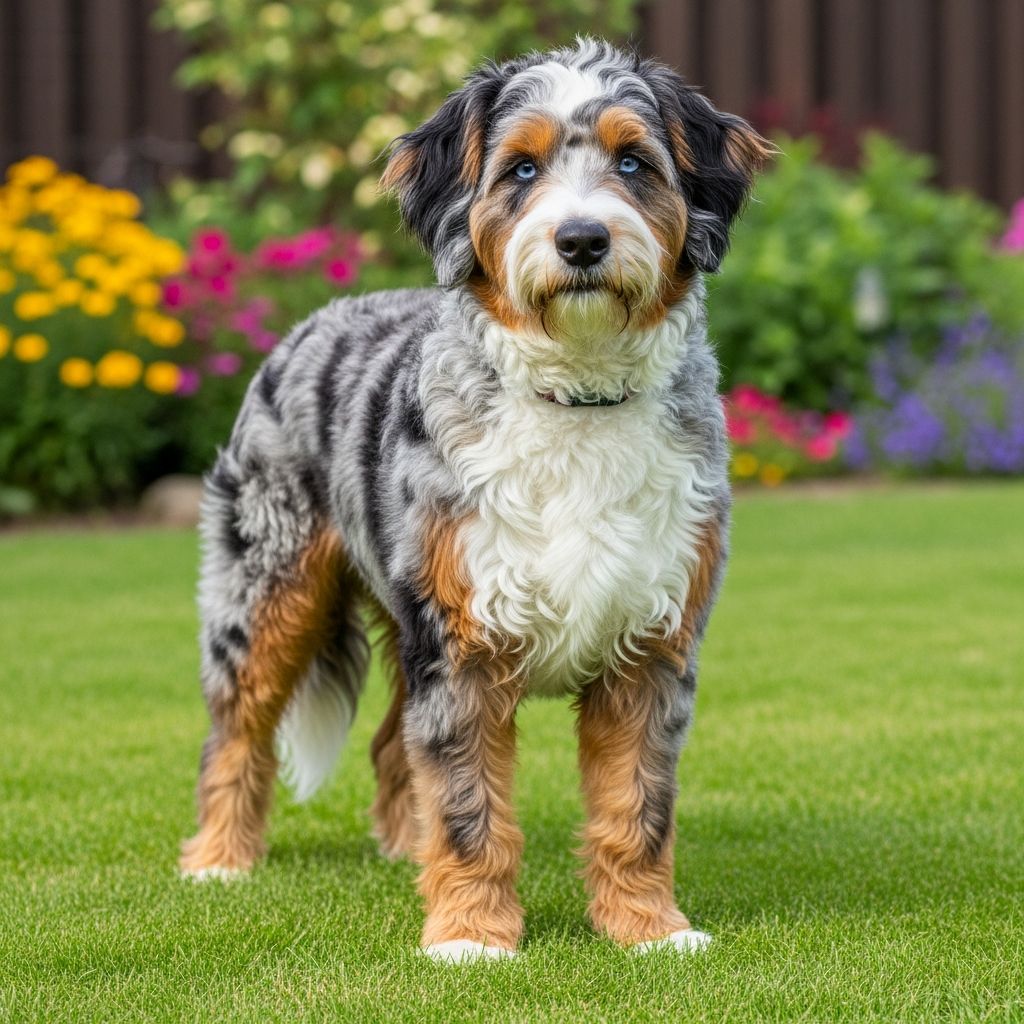
Aussiedoodle Dog Breed Guide
The Aussiedoodle represents one of the most popular designer dog breeds in recent years, capturing the hearts of dog lovers worldwide with their exceptional intelligence, playful demeanor, and affectionate nature. This hybrid breed combines the best qualities of two remarkable parent breeds: the quick-witted Australian Shepherd and the intelligent, hypoallergenic Poodle. Whether you’re considering adding an Aussiedoodle to your family or already sharing your home with one of these delightful companions, understanding their unique characteristics, care requirements, and personality traits is essential for ensuring a happy and healthy life together.
What Is an Aussiedoodle?
An Aussiedoodle is a designer breed resulting from the deliberate crossing of an Australian Shepherd with a Poodle. Often referred to as the “Einstein” of the canine world, these dogs are celebrated for their exceptional intelligence, trainability, and versatility. The breed first emerged in the United States during the 1990s when Doodle hybrid breeds began gaining widespread popularity, and today they’re recognized as excellent working dogs and beloved family companions.
While Aussiedoodles are not officially recognized by major kennel clubs like the American Kennel Club, their popularity continues to soar among active families and individuals seeking a companion that combines athleticism with intelligence. The breed’s appeal lies in their affectionate nature, low-shedding coats, and remarkable ability to adapt to various living situations and lifestyles.
Physical Characteristics and Appearance
Aussiedoodles are as diverse in their appearance as they are in personality, thanks to their mixed heritage. Understanding what to expect physically can help you choose the right size and recognize the distinctive features that make this breed so visually appealing.
Size Variations
One of the most flexible aspects of Aussiedoodle breeding is their size range. The specific size of an individual Aussiedoodle depends on which Poodle parent was used in breeding:
- Standard Aussiedoodles: Height of 22-25 inches at the shoulder, weighing up to 70 pounds
- Miniature Aussiedoodles: Height ranging from 12-18 inches, weighing between 25-45 pounds
- Toy Aussiedoodles: Height around 10-12 inches, weighing 4.5-15 pounds
These size options make Aussiedoodles adaptable to different living environments, whether you have a sprawling suburban home or a cozy apartment.
Coat and Color
One of the breed’s most distinctive features is their beautiful coat. Aussiedoodles typically have wavy or curly hair that is low-shedding to non-shedding, making them an excellent choice for individuals with allergies. Their coats often exhibit a stunning array of colors and patterns:
- Black and tan combinations
- Blue merle and red merle patterns
- Solid red or apricot
- Cream or white markings
- Tri-color combinations
Regular grooming is essential to maintain their coat health and prevent tangles and matting, particularly in those with curlier hair textures.
Distinctive Facial Features
Aussiedoodles are easily recognized by their expressive eyes, which may be brown, blue, or even two different colors (heterochromia), and their characteristically mid-length snouts. Combined with their dark, perceptive gaze, these features contribute to their adorable and intelligent appearance that draws admiration wherever they go.
Temperament and Personality Traits
If you’re seeking a dog with a vibrant, engaging personality, the Aussiedoodle represents an excellent match. As offspring of two highly intelligent parent breeds, these dogs display a remarkable combination of traits that make them both delightful and demanding companions.
Intelligence and Trainability
Aussiedoodles are renowned for their exceptional intelligence and eagerness to learn. They grasp new commands quickly and thrive on mental stimulation and challenge. This intelligence makes them highly trainable and suitable for various roles, from family companions to therapy or assistance dogs. However, their sharp minds also mean they require consistent mental engagement to prevent boredom-related behaviors such as destructive chewing or digging.
Energy and Playfulness
As the offspring of two sporting breeds, Aussiedoodles possess abundant energy and enthusiasm for life. They love playing fetch, going hiking, accompanying you on runs, and engaging in interactive games. These dogs thrive when their families enjoy outdoor activities, and they make wonderful companions for active individuals and families who can provide adequate physical exercise.
Affection and Bonding
Despite their high energy levels, Aussiedoodles are remarkably affectionate and form strong bonds with their families. They are often referred to as “velcro dogs” because of their desire to be constantly near their beloved humans. These dogs enjoy cuddling on the couch just as much as they love playing, making them well-rounded family members who adapt to both active adventures and quiet downtime.
Social Compatibility
When properly socialized from a young age, Aussiedoodles display friendly and gentle temperaments with people, children, and other pets. Their social nature makes them poor choices for guard dogs but excellent selections for families with multiple pets or frequent visitors. Their ability to get along well with others contributes to their reputation as ideal family dogs.
Exercise and Activity Requirements
Aussiedoodles are more active than many other Doodle varieties and require substantial daily exercise to maintain both physical health and mental well-being. These dogs need a combination of physical exercise and mental stimulation to stay happy and prevent behavioral problems. Daily activities should include:
- Long walks or jogs
- Outdoor play sessions
- Interactive games and puzzle toys
- Training sessions that challenge their minds
- Opportunities to socialize with other dogs
Without adequate activity and engagement, Aussiedoodles may develop destructive behaviors or excessive barking, as they lack an appropriate outlet for their considerable energy and intelligence.
Grooming and Coat Care
The Aussiedoodle’s beautiful low-shedding coat requires regular maintenance to keep it healthy, mat-free, and looking its best. Grooming should become part of your regular routine as an Aussiedoodle owner:
- Brushing: Regular brushing several times per week helps prevent matting and tangling, particularly in curly-coated individuals
- Professional Grooming: Professional grooming every 6-8 weeks maintains coat health and manages growth
- Bathing: Regular baths with quality dog shampoo help maintain skin and coat health
- Ear Cleaning: Routine ear cleaning prevents infections common in floppy-eared dogs
- Nail Trimming: Regular nail maintenance prevents overgrowth and discomfort
Nutrition and Dietary Needs
Proper nutrition is fundamental to maintaining your Aussiedoodle’s health and supporting their active lifestyle. A balanced diet supports their joint health, skin condition, and overall wellness. When selecting food for your Aussiedoodle, prioritize:
- High-quality protein for muscle development and maintenance
- Omega fatty acids to support coat and skin health
- Antioxidant-rich ingredients for immune support
- Appropriate portion sizes based on their individual size and activity level
- Low glycemic index carbohydrates for steady energy release
Aussiedoodle puppies benefit from nutrient-dense real food containing high-quality protein for tissue growth, essential vitamins and minerals for bone development and brain function, and appropriate caloric intake to support their rapid growth.
Health Considerations
Although Aussiedoodles benefit from hybrid vigor, which generally makes them healthier than their purebred parents, they can still inherit certain genetic predispositions from their lineage. Understanding potential health concerns allows you to monitor your dog and catch issues early:
Common Health Issues
Hip Dysplasia: This condition occurs when the hip joint doesn’t develop properly, potentially leading to arthritis and mobility issues in later life.
Progressive Retinal Atrophy (PRA): This genetic eye disorder can cause gradual vision loss over time and is inherited from the Poodle parent breed.
Addison’s Disease: Also known as hypoadrenocorticism, this hormonal imbalance affects the adrenal glands and is relatively common in Poodles.
Allergies: Aussiedoodles can experience skin or food allergies, which may require dietary adjustments or medical intervention.
Regular veterinary check-ups, a healthy diet, appropriate exercise, and preventive care help minimize the impact of these conditions and support your Aussiedoodle’s long-term health.
Training and Socialization
Starting training and socialization early is crucial for developing a well-behaved Aussiedoodle. These intelligent dogs respond exceptionally well to positive reinforcement training methods. Their eagerness to please and quick learning ability make training relatively straightforward, though their occasional stubbornness requires consistent, patient guidance.
Socialization should begin in puppyhood and continue throughout their first year to ensure they develop appropriate behaviors with people, other animals, and various environments. This early exposure contributes significantly to their friendly, confident temperaments as adults.
Lifespan and Longevity
Aussiedoodles typically enjoy a lifespan of 12-15 years, which is consistent with medium-sized dog breeds. This extended lifespan reflects the genetic diversity of hybrid breeds and their generally robust health. Providing excellent nutrition, regular exercise, preventive veterinary care, and mental stimulation throughout their lives contributes to maximizing their longevity and quality of life.
Suitability as Family Pets
Aussiedoodles make excellent family dogs for households that can meet their activity and mental stimulation needs. Their combination of intelligence, affection, trainability, and social nature makes them wonderful companions for families with children and other pets. However, potential owners should realistically assess whether they can provide the daily exercise, mental engagement, and grooming that this breed requires.
Frequently Asked Questions
Q: Are Aussiedoodles good family dogs?
A: Yes, Aussiedoodles are affectionate, playful, and excellent with children, making them an outstanding choice for families. Their loyalty and gentle nature create strong bonds with family members of all ages.
Q: Do Aussiedoodles shed a lot?
A: Thanks to their Poodle lineage, Aussiedoodles are typically low-shedding or non-shedding, making them suitable for individuals with allergies. However, regular grooming is still necessary to maintain coat health and prevent matting.
Q: How much exercise do Aussiedoodles need?
A: Aussiedoodles are highly active dogs requiring substantial daily exercise. They benefit from long walks, outdoor play, running, and mental stimulation. Without adequate activity, they may develop destructive behaviors.
Q: Are Aussiedoodles easy to train?
A: Yes, Aussiedoodles are highly intelligent and eager to please, making them relatively easy to train. They respond well to positive reinforcement methods and enjoy learning new commands and tasks.
Q: What is the typical size of an Aussiedoodle?
A: Aussiedoodles range significantly in size depending on the Poodle parent used. Standard Aussiedoodles reach up to 25 inches in height and 70 pounds, while Miniature and Toy versions are considerably smaller.
Q: How long do Aussiedoodles live?
A: Aussiedoodles typically have a lifespan of 12-15 years, which reflects their generally robust health and hybrid vigor.
References
- Aussiedoodle: Dog Breed Characteristics and Care — Dial A Vet. 2024. https://www.dialavet.com/blog/aussiedoodle-dog-breed-characteristics-and-care
- Aussiedoodle Breed Insights: Care, Personality & Expert Tips — Lyka. 2024. https://lyka.com.au/blog/aussiedoodle-breed-guide
- The 16 Most Popular Types of Doodle Dogs — PetMD. 2024. https://www.petmd.com/dog/care/types-of-doodle-dogs
- Aussiedoodle Breed Facts and Information — Wag! Dog Walking. 2024. https://wagwalking.com/breed/aussiedoodle
- Aussiedoodle Breed Information Guide: Photos, Traits, & Care — Bark. 2024. https://post.bark.co/breeds/aussiedoodle-guide/
Similar Articles








Read full bio of medha deb




