
Auricular Hematomas In Pets: Causes, Treatment, Prevention
Discover causes, symptoms, treatments, and prevention for ear hematomas in dogs, cats, and pigs to ensure your pet's comfort and recovery.
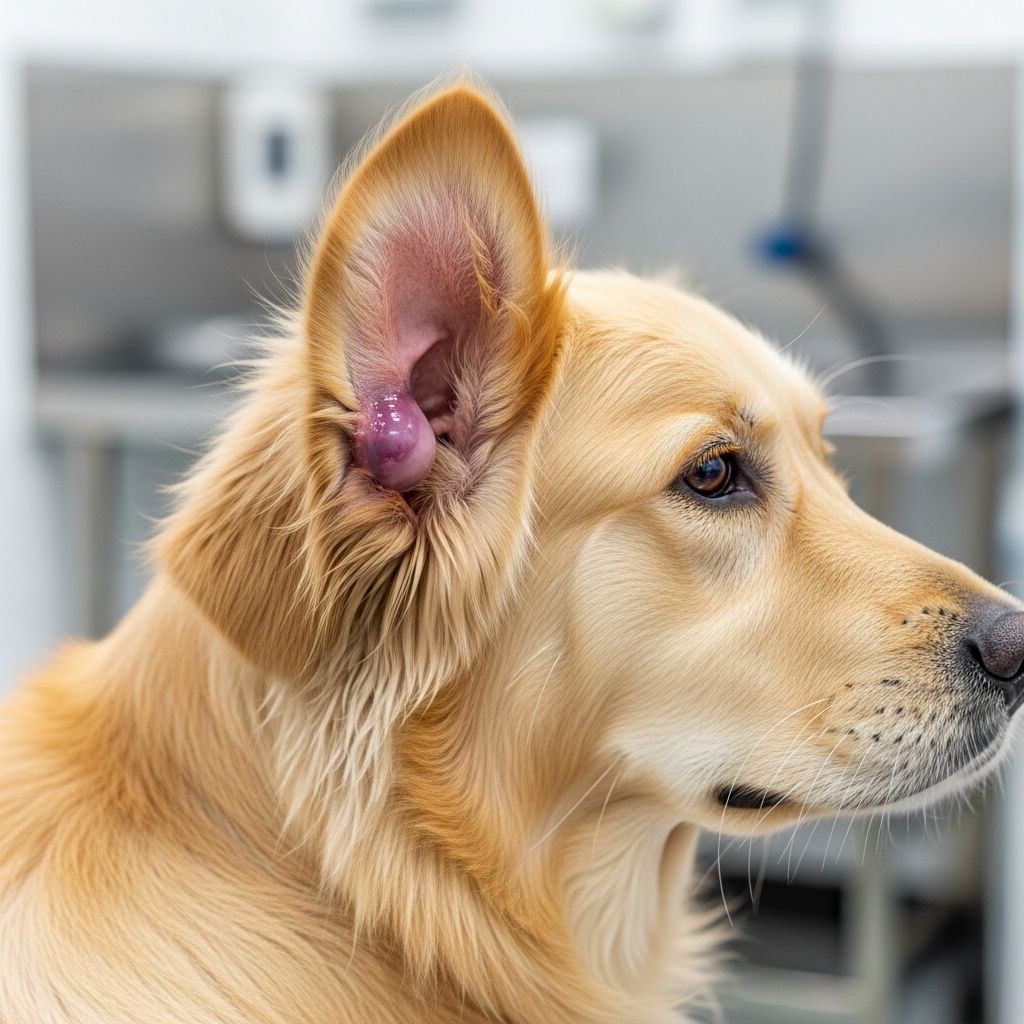
Auricular hematomas represent a common yet distressing condition affecting the ear flaps of various animals, particularly dogs, cats, and pigs. These hematomas form when blood accumulates between the skin and cartilage of the pinna, often triggered by vigorous head shaking or scratching due to underlying irritations. Prompt recognition and intervention are essential to alleviate pain and prevent permanent ear deformities.
Recognizing the Signs of Ear Flap Swelling
Pet owners often first notice an auricular hematoma through visible changes in the ear’s appearance. The affected pinna becomes noticeably thickened, puffy, and distorted, resembling a fluid-filled balloon. In dogs, the swelling can make the ear flap hang heavily, altering its natural shape. Cats exhibit similar symptoms, though less frequently, while in pigs, the condition may impact ear mobility and comfort during daily activities.
Key indicators include:
- Sudden onset of soft, fluctuant swelling on one or both sides of the ear flap
- Firm, tense areas if blood clots form
- Head tilting toward the affected side
- Excessive pawing, rubbing, or shaking of the head
- Reluctance to allow touching of the ear, indicating pain
- Warmth or redness around the swollen region
These signs typically appear rapidly, sometimes within hours of the inciting trauma. Early detection allows for timely veterinary consultation, reducing the risk of complications like infection or scarring.
Primary Causes Behind Hematoma Formation
The delicate structure of the pinna—comprising thin skin layers sandwiching fragile cartilage—makes it vulnerable to injury. Blood vessels lying just beneath the skin rupture easily during forceful movements. Common triggers encompass:
- Ear canal irritations: Bacterial or yeast infections prompt intense itching, leading to aggressive head shaking.
- Allergic reactions: Food sensitivities or environmental allergens inflame the ears, exacerbating scratching behaviors.
- Parasitic infestations: Ear mites in dogs and cats, or mange in pigs, cause persistent discomfort.
- Foreign bodies: Grass awns, ticks, or debris lodged in the ear canal initiate the cycle of irritation.
- Trauma: Blunt force from fights, accidents, or excessive flapping in pendulous-eared breeds like spaniels or hounds.
Breeds with floppy ears, such as Cocker Spaniels, Basset Hounds, and Labrador Retrievers, face heightened risk due to the pinna repeatedly striking the skull during head shakes. In pigs, crowded housing or rough handling can contribute similarly.
Health Risks of Untreated Hematomas
While the body may eventually reabsorb the blood over weeks or months, neglecting treatment invites serious issues. Inflammation erodes cartilage, resulting in a crinkled, cauliflower-like deformity that impairs hearing and predisposes to recurrent infections. The heavy swelling can occlude the ear canal, trapping moisture and bacteria. Pain persists, diminishing quality of life, and recurrence rates soar without addressing root causes.
| Complication | Description | Affected Species |
|---|---|---|
| Cauliflower ear | Permanent cartilage scarring and distortion | Dogs, Cats |
| Secondary infection | Bacterial overgrowth in blocked canal | All |
| Chronic pain | Ongoing discomfort from pressure | Dogs, Pigs |
| Recurrence | Repeat bleeding without cause resolution | Dogs, Cats |
Diagnostic Approaches in Veterinary Practice
Veterinarians confirm auricular hematomas through physical examination, palpating the fluid-filled pocket and assessing pain levels. Aspiration with a needle yields blood-tinged fluid, distinguishing it from abscesses or seromas. Cytology examines cells for infection clues, while otoscopy inspects the ear canal for mites, debris, or inflammation. Blood tests rule out clotting disorders in recurrent cases. Imaging like ultrasound differentiates hematoma extent in complex presentations.
Treatment Options: Surgical and Conservative Methods
Most hematomas necessitate drainage to relieve pressure and pain. Surgical correction involves incising the pinna, evacuating clots, and placing sutures to appose skin and cartilage, preventing fluid reaccumulation. Drains or stents maintain openness initially. Postoperative care includes Elizabethan collars to deter self-trauma, antibiotics for infection prophylaxis, and pain relief.
Conservative management suits small, early hematomas: repeated aspirations, compression bandages, or penrose drains promote natural resolution. However, success rates lag behind surgery, with higher reoccurrence.
Surgical vs. Non-Surgical Approaches
| Method | Pros | Cons | Success Rate |
|---|---|---|---|
| Surgical Drainage | Quick relief, low recurrence, cosmetic results | Anesthesia required, incision scars | 90-95% |
| Aspiration/Drains | No surgery, less invasive | Frequent visits, higher failure | 50-70% |
Treating underlying issues—ear cleaning, mite eradication, allergy management—is paramount for lasting recovery.
Species-Specific Considerations
Dogs
Dogs comprise the majority of cases, especially drop-eared breeds. Vigorous intervention yields excellent outcomes, restoring ear function swiftly.
Cats
Fewer incidences, often linked to abscesses from fights. Felines tolerate surgery well but require strict confinement post-op.
Pigs
In swine, hematomas arise from ear tagging or aggression in group housing. Management mirrors dogs, emphasizing hygiene to avert herd spread.
Step-by-Step Home Care Post-Treatment
Supporting veterinary efforts at home accelerates healing:
- Administer prescribed medications exactly as directed.
- Keep the collar on continuously for 10-14 days.
- Monitor for drain site discharge; clean gently with saline.
- Restrict activity to leash walks; avoid water exposure.
- Schedule follow-ups for stitch removal and rechecks.
Watch for fever, worsening swelling, or odor signaling complications.
Preventive Strategies for Pet Owners
Proactive measures curtail hematoma development:
- Conduct routine ear inspections and cleanings.
- Address allergies via hypoallergenic diets or testing.
- Use parasite preventives year-round.
- Trim hair in floppy-eared breeds to reduce flapping.
- Provide safe housing for pigs to minimize fights.
Annual veterinary wellness exams facilitate early detection of predisposing conditions.
Frequently Asked Questions (FAQs)
Will my pet’s ear return to normal without surgery?
Possibly, but scarring often causes permanent deformity. Surgery optimizes cosmetics and comfort.
How long does recovery take?
1-3 weeks for initial healing; full resolution in 4-6 weeks with proper care.
Can hematomas affect both ears?
Yes, particularly if systemic issues like allergies drive bilateral irritation.
Is this condition covered by pet insurance?
Often yes, as a treatable ailment; check policy exclusions for pre-existing ear problems.
What if my pig develops a hematoma?
Consult a large animal vet promptly; untreated cases impact growth and market value.
In summary, auricular hematomas, while alarming, respond well to veterinary care. Vigilance empowers owners to safeguard their pets’ ear health effectively.
References
- Hematoma of the Ear in Dogs — VCA Animal Hospitals. 2023-2024. https://vcahospitals.com/know-your-pet/hematoma-of-the-ear-in-dogs
- Aural Hematoma — American College of Veterinary Surgeons. 2024. https://www.acvs.org/small-animal/aural-hematoma/
- Aural Hematoma — Cornell University College of Veterinary Medicine. 2023. https://www.vet.cornell.edu/departments-centers-and-institutes/cornell-feline-health-center/health-information/feline-health-topics/aural-hematoma
- Ear Hematoma in Dogs — Small Door Veterinary. 2024-01-15. https://www.smalldoorvet.com/learning-center/medical/ear-hematoma-in-dogs
- Ear (aural) Hematoma — Long Beach Animal Hospital. 2023. https://lbah.com/currentnews/ear-aural-hematoma/
Similar Articles








Read full bio of medha deb


