
Attracting Birds to Your Garden with Bird Feeders
Create a thriving backyard bird sanctuary with the right feeders, seeds, and placement strategies.
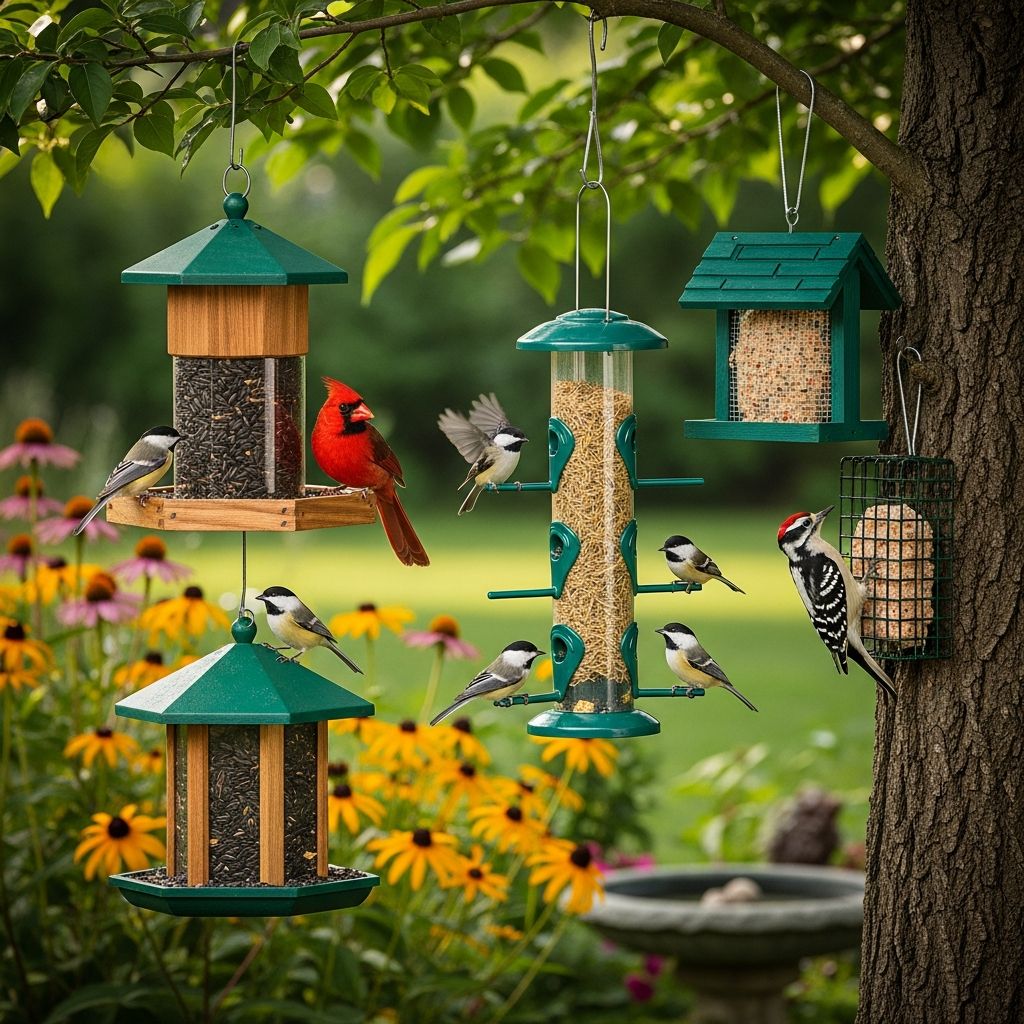
Creating a vibrant bird-friendly garden is one of the most rewarding ways to connect with nature right from your home. Whether you’re a seasoned birder or a curious beginner, bird feeders are an excellent tool to attract a diverse array of feathered visitors to your outdoor space. By understanding the fundamentals of bird feeding—from selecting the right feeders and seeds to proper placement and maintenance—you can transform your garden into a bustling hub of avian activity.
Understanding the Benefits of Bird Feeders
Bird feeders serve multiple important purposes in your garden ecosystem. They provide supplemental nutrition, especially during harsh winter months when natural food sources become scarce. Beyond sustenance, feeders offer you an unparalleled opportunity to observe birds up close, learn about local species, and appreciate their behaviors and interactions. Additionally, well-maintained bird feeders can help support local bird populations and contribute to wildlife conservation efforts in your community.
The presence of bird feeders in your garden creates a reliable food source that encourages birds to return regularly, increasing the likelihood of spotting rare or unusual species. This consistent source of nourishment is particularly valuable during migration seasons when birds need extra energy for their long journeys.
Choosing the Right Bird Feeder Types
Different feeder types attract different bird species and serve various purposes. Understanding each type helps you create a diverse feeding environment that appeals to a wide range of birds.
Tube Feeders
Tube feeders are cylindrical containers with multiple feeding ports around the sides, suspended from above. These feeders are excellent for small birds like finches, chickadees, and nuthatches. They’re typically hung from tree branches or shepherd’s crooks, and many can be equipped with squirrel baffles to keep those crafty critters at bay. Tube feeders with small perches favor smaller bird species and naturally discourage larger, more aggressive birds from dominating the feeder.
Platform or Tray Feeders
Platform feeders are flat surfaces, usually elevated on poles or posts, where birds can land and pick through seeds. These open-design feeders provide an excellent view of feeding birds with no obstructions, making them perfect for observation and photography. Platform feeders attract a wide variety of species including grosbeaks, sparrows, juncos, jays, and doves. The downside is they’re more accessible to squirrels and offer less protection from the elements, so the seed may need more frequent replacing.
Nyjer (Thistle) Feeders
Nyjer feeders are specialized feeders designed for small seeds that appeal to finches, goldfinches, Pine Siskins, and Redpolls. They typically come in two designs: tube feeders with very small openings or fine mesh bags. These feeders are particularly valuable because they provide smaller songbirds with their own dedicated feeding space away from larger, more dominant species that might compete for resources at sunflower feeders.
Hopper Feeders
Hopper feeders are box-like structures with a roof that protects seed from rain and snow. They hold a larger quantity of seed and are accessible from multiple sides, making them attractive to many species. Hopper feeders work well for cardinals, chickadees, nuthatches, and other medium-sized birds.
Hummingbird Feeders
Specialized nectar feeders designed for hummingbirds are typically colorful and contain small feeding ports. These feeders are easy to set up and can be placed almost anywhere, even in apartments with limited outdoor space. Hummingbird feeders also attract orioles and other nectar-loving species. The main consideration is that nectar spoils quickly and requires frequent cleaning to prevent mold and fermentation.
Suet Feeders
Suet feeders hold high-fat cakes that appeal to woodpeckers, nuthatches, chickadees, and other insectivores. These feeders are particularly valuable during winter months when birds need extra calories. Suet feeders are often enclosed in wire cages to provide protection and allow small birds to feed while excluding larger species.
Selecting the Best Bird Seed
Choosing the right seed is fundamental to attracting diverse bird species to your feeders. Different seeds appeal to different birds, and understanding these preferences allows you to customize your offerings.
Black-Oil Sunflower Seeds
Black-oil sunflower seeds are widely considered the best all-purpose bird seed available. These seeds are the most popular choice among backyard birders because they attract the largest range of bird species. They’re high in fat and protein, providing excellent nutrition for birds year-round. Black-oil sunflower seeds attract cardinals, chickadees, nuthatches, finches, blue jays, and sparrows. Compared to striped sunflower seeds, black-oil seeds have thinner shells, so birds can crack them more easily, and they produce less mess in your garden.
Nyjer (Thistle) Seed
Nyjer seed, also called thistle seed, is specifically preferred by finches, goldfinches, Pine Siskins, Redpolls, and Indigo Buntings. These tiny seeds are best offered in specialized finch feeders with appropriately sized ports. While nyjer seed is more expensive than sunflower seed, it effectively attracts these beautiful songbirds that many people want to see in their gardens.
White Millet
White millet appeals to ground-feeding birds including sparrows, towhees, jays, and doves. It’s commonly included in mixed seed blends and works well scattered on ground platform feeders. White millet is less preferred by some nuisance birds, making it a good choice if you want to attract specific species while minimizing unwanted visitors.
Safflower Seeds
Safflower seeds are preferred by cardinals and other songbirds but are generally avoided by squirrels, making them an excellent choice if squirrel management is a concern. While more expensive than sunflower seeds, safflower provides an alternative for attracting cardinals and similar species without supporting squirrel populations.
Peanuts and Nut Mixtures
Both whole and shelled peanuts attract jays, woodpeckers, chickadees, and nuthatches. Peanut butter also appeals to many species and can be offered in specialized feeders or on platform feeders. Nut mixtures are particularly attractive to window-sill platform feeders where you can observe chickadees, nuthatches, titmice, and finches up close.
Suet and High-Energy Foods
Suet cakes are invaluable for attracting woodpeckers, nuthatches, and other species during winter months. Available in various formulations—from plain suet to versions mixed with seeds, nuts, or dried fruit—suet provides the high-calorie nutrition birds need during cold weather. Some specialty formulations even include insects or insect parts, appealing to insectivorous species.
Strategic Feeder Placement
Where you place your bird feeders significantly impacts which species visit and their overall safety and comfort while feeding.
Proximity to Trees and Shrubs
Position feeders near trees or shrubs where birds can wait their turn, retreat to for safety, or temporarily hide while holding seeds. This provides security and makes birds more comfortable approaching your feeders. However, ensure trees aren’t so dense that they create hiding spots for predators like hawks and cats.
Visibility and Observation
Place at least one feeder where you can easily observe it from inside your home. Window-sill platform feeders or feeders visible from favorite indoor viewing spots allow you to enjoy bird activity without disturbing the birds. Platform feeders with no overhead structure provide optimal sightlines for both birds and observers.
Protection from Elements
Consider weather exposure when placing feeders. Feeders in open areas are more exposed to rain and snow, requiring more frequent cleaning and seed replacement. Feeders under roof overhangs or near sheltering trees stay drier. Hopper feeders with roofs naturally protect seed better than open platform feeders.
Multiple Feeding Stations
Establish several feeding stations in different areas of your garden rather than clustering all feeders in one location. This reduces aggression and competition, allows more birds to feed simultaneously, and creates a more natural feeding pattern. Ground feeders can be placed at ground level, while hanging feeders suspended from trees or poles create height variation that appeals to different species.
Squirrel Management
If squirrels are problematic in your area, place feeders at least 10-12 feet away from jumping points like fences, trees, or structures. Use squirrel baffles on poles and hanging feeders to create barriers that squirrels cannot pass. Some people prefer to scatter sunflower seed on the ground, which spreads squirrel and bird activity over a wider area, reducing competition and chasing.
Maintaining Clean and Healthy Feeders
Regular maintenance is essential for bird health and preventing disease transmission at feeding stations.
Cleaning Schedule
Clean feeders thoroughly every two weeks during normal seasons, and weekly during warm, wet weather when mold and bacteria proliferate quickly. For hummingbird feeders, cleaning is even more critical—clean and refill every 3-5 days, or more frequently in hot weather.
Cleaning Process
Disassemble feeders completely and scrub all parts with hot water and a stiff brush to remove mold, debris, and buildup. A dilute bleach solution (1 part bleach to 9 parts water) can be used for sanitizing, followed by thorough rinsing. Allow all parts to dry completely before refilling to prevent mold growth.
Seed Management
Replace any remaining seed when refilling feeders, particularly in warm weather when seed can spoil or become moldy. Discard seed that shows signs of mold, clumping, or off-odors. Store seed in cool, dry locations in sealed containers to maintain freshness.
Water Availability
Provide clean water sources alongside feeders through birdbaths, ground-level dishes, or small ponds. Birds need water for drinking and bathing regardless of seed availability. Clean and refill water sources daily, especially in warm weather.
Supplementing Feeders with Natural Food Sources
While feeders provide supplemental nutrition, natural food sources are equally important for a healthy bird population.
Planting Native Plants
Native plants that produce seeds, berries, and fruits provide natural food sources and attract insects that many bird species depend on. Native oak trees are particularly valuable, producing acorns that appeal to jays and other species. Native berry-producing shrubs with thorns or spines offer both food and protective shelter for birds.
Creating an Insect-Friendly Garden
Many bird species rely heavily on insects, especially during breeding season when they’re feeding chicks. Reducing pesticide use and allowing natural vegetation creates habitat for insects that birds need. Let some areas of your garden grow naturally, and avoid excessive tidying that removes insects and their habitats.
Natural Seed Sources
Collecting wild seed heads like grass seeds, Mullein, Black-eyed Susans, or wild sunflowers and hanging them in bundles during winter provides natural food that excites birds. Gathering acorns, hickory nuts, and other natural foods from outdoor foraging during your outings supplies authentic nutrition birds evolved to depend on.
Timing Your Feeding Program
Understanding seasonal bird patterns helps you optimize your feeding efforts.
Year-Round Feeding
Many people maintain bird feeders year-round to support local resident populations. Winter feeding is particularly valuable when natural food sources become scarce and birds need extra calories to maintain body temperature.
Migration Season Support
Spring and fall migrations create increased demand for high-calorie foods. Put up hummingbird feeders early in spring and maintain them through early fall to support migrating hummingbirds. Offering fruit during spring migration attracts orioles and other fruit-eating species.
Breeding Season Considerations
During breeding season, reduce insecticide use and provide foods that support chick development, particularly high-protein suet and insects. Some people offer nesting materials to support breeding birds.
Common Bird Seed Comparison
| Seed Type | Primary Attracted Species | Cost | Mess Level | Best Use |
|---|---|---|---|---|
| Black-Oil Sunflower | Cardinals, chickadees, nuthatches, finches | Moderate | Moderate | All-purpose, best for beginners |
| Nyjer (Thistle) | Goldfinches, Pine Siskins, Redpolls | High | Low | Specialized finch feeders |
| White Millet | Sparrows, towhees, doves | Low | Moderate | Ground feeders |
| Safflower | Cardinals, other songbirds | High | Low | Squirrel deterrent |
| Suet | Woodpeckers, nuthatches | Moderate | Low | Winter feeding, high energy |
Attracting Specific Bird Species
Different species have different preferences. Understanding what attracts your target birds helps you design a more effective feeding program. Cardinals prefer sunflower seeds and safflower in platform feeders. Finches are attracted to nyjer seed in specialized feeders. Hummingbirds require nectar feeders filled with sugar-water solution. Woodpeckers love suet feeders and will feed on them regularly. Chickadees and nuthatches appreciate black-oil sunflower seeds and nut mixtures offered at multiple feeder heights.
Frequently Asked Questions (FAQs)
Q: How long does it take for birds to discover my new feeders?
A: It typically takes a couple of weeks for birds to discover and regularly visit new feeders. Be patient, keep feeders well-stocked and clean, and maintain them consistently. Once birds find your feeders, they’ll become regular visitors.
Q: What’s the best bird seed for beginners?
A: Black-oil sunflower seed is the best choice for beginners. It’s the most widely used seed, attracts the largest variety of bird species, and is relatively affordable. Start with black-oil sunflower seed and a tube or hopper feeder to establish your feeding program.
Q: How do I keep squirrels out of my bird feeders?
A: Use squirrel baffles on poles and hanging feeders, place feeders at least 10-12 feet from jumping points, consider offering safflower seed or specialized squirrel-proof feeders, or scatter sunflower seed on the ground to distract squirrels from your bird feeders.
Q: Can I make my own hummingbird food?
A: Yes, simply mix one part white granulated sugar with four parts water. Boil the water first, dissolve the sugar, cool completely before filling feeders, and there’s no need to add red food coloring. Change the mixture every 3-5 days, more frequently in hot weather.
Q: Is it safe to leave feeders up year-round?
A: Yes, it’s safe and beneficial to maintain feeders year-round. While some people believe feeders prevent migration, this is a myth. Birds migrate based on day length and weather patterns, not feeder availability. Year-round feeders provide valuable nutrition, especially during harsh winters.
Q: What should I do if I see sick or dead birds at my feeders?
A: Remove feeders temporarily and clean them thoroughly with a dilute bleach solution. Dead or visibly sick birds suggest disease transmission. After deep cleaning, you can resume feeding, but monitor closely for further problems and continue regular cleaning schedules.
Q: How can I attract more diverse bird species?
A: Provide multiple feeder types with different seeds at various heights and locations. Supplement with natural food sources by planting native plants and creating an insect-friendly garden. Provide water sources like birdbaths, and create shelter with trees and shrubs.
Q: Should I supplement commercial seed with other foods?
A: Yes, supplementing with peanuts, suet, fruits, and mealworms attracts additional species and provides variety. Different foods appeal to different birds—offering a diverse menu attracts more species than relying on seed alone.
References
- A Beginner’s Guide to Backyard Bird Feeding — National Wildlife Federation. 2011-05-01. https://blog.nwf.org/2011/05/a-beginners-guide-to-backyard-bird-feeding/
- How to Choose the Right Kind of Bird Feeder — All About Birds, Cornell Lab of Ornithology. https://www.allaboutbirds.org/news/how-to-choose-the-right-kind-of-bird-feeder/
- Feeding Wild Birds — Wilderness Awareness School. https://wildernessawareness.org/articles/feeding-wild-birds/
- Bird Feeding and Care — National Audubon Society. https://www.audubon.org/birding/backyard
- How to Feed Birds in Your Garden — The Wildlife Trusts. https://www.wildlifetrusts.org/actions/how-feed-birds-your-garden
Similar Articles








Read full bio of Sneha Tete


