

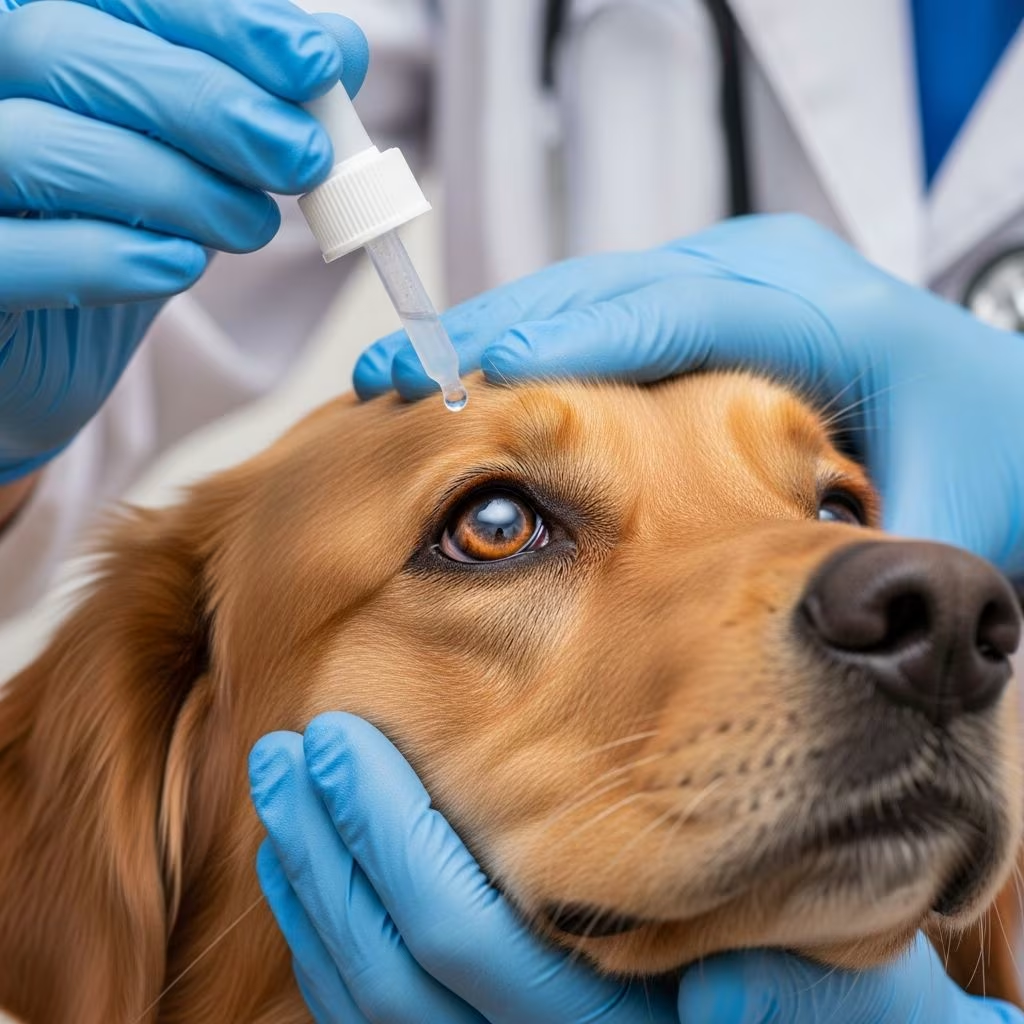
Understanding Atropine Ophthalmic for Pets
Atropine ophthalmic solution is a prescription medication commonly prescribed by veterinarians to treat various eye conditions in dogs and cats. This potent eye medication works by relaxing the muscles within the eye and dilating the pupil, providing relief from pain and discomfort associated with numerous ocular conditions. Understanding how this medication works, its appropriate uses, and potential side effects is essential for pet owners whose animals have been prescribed this treatment.
What Is Atropine Ophthalmic?
Atropine ophthalmic solution is a prescription eye medication that belongs to a class of drugs known as anticholinergic or parasympatholytic agents. This medication works by blocking the transmission of acetylcholine, a chemical messenger that controls various activities including pupil dilation and constriction. By interfering with these nerve signals, atropine paralyzes the sphincter muscle of the iris, resulting in pupil dilation and relaxation of the eye muscles.
The medication is typically available in concentration strengths of 1% or 2% and is applied topically as eye drops or ointment directly into the affected eye or eyes. Atropine is highly potent, with effects that can last between 5 to 7 days in some animals, making it an effective treatment option for various eye conditions. Because of its prescription-only status, atropine can only be obtained from a licensed veterinarian.
Primary Uses of Atropine Ophthalmic
Veterinarians prescribe atropine ophthalmic for several important reasons related to pet eye health and comfort:
Pain and Spasm Relief
One of the primary uses of atropine is to relieve pain and muscle spasm in the iris caused by various eye conditions. When the iris becomes inflamed or irritated, it can cause significant discomfort to your pet. By relaxing the iris muscles, atropine reduces this pain and allows your pet to be more comfortable during the healing process.
Pupil Dilation for Surgery
Atropine is frequently used before and after ocular surgical procedures to dilate the pupil, facilitating better visualization during surgery and supporting proper healing afterward. Common surgical procedures where atropine is employed include cataract removal and other lens-related surgeries. The pupil dilation allows veterinarians to better access and work on the affected area.
Treatment of Inflammatory Conditions
Atropine is used to dilate the pupil when the interior of the eye is inflamed, a condition known as uveitis. Anterior uveitis, which involves inflammation in the front chamber of the eye, frequently causes iris spasm and pain. Additionally, atropine is prescribed for corneal ulcers, corneal disease, and other painful eye conditions that affect dogs and cats. In some cases, it is used to treat certain forms of glaucoma, particularly secondary glaucoma that develops following other eye injuries or conditions.
How Atropine Ophthalmic Works
The mechanism of action for atropine involves its interaction with the parasympathetic nervous system. Specifically, atropine acts as an anticholinergic agent, meaning it blocks the action of acetylcholine at nerve receptors in the eye. Acetylcholine normally causes the pupil to constrict and the ciliary muscle to contract, which is important for focusing the eye and controlling pupil size.
When atropine is applied topically to the eye, it prevents acetylcholine from binding to its receptors, effectively paralyzing the muscles responsible for pupil constriction. This results in unopposed action of the dilator muscle, causing the pupil to remain dilated. Additionally, atropine relaxes the ciliary muscle, which reduces accommodation and iris spasm, thereby alleviating pain associated with eye muscle inflammation.
Dosing Information for Dogs and Cats
Proper dosing of atropine is critical to ensure both safety and effectiveness. Dosing frequency varies considerably based on several factors specific to each animal and condition.
Standard Dosing Guidelines
For ophthalmic solutions, the typical dosage is 1 to 3 drops applied directly into the affected eye, repeated 1 to 3 times daily as prescribed by your veterinarian. The exact frequency depends on the condition being treated and the desired degree of pupil dilation. For mild to moderate corneal ulcers and anterior uveitis, the medication may be given 1 to 3 times daily initially.
The duration of treatment depends on the specific condition, your pet’s response to the medication, and whether any adverse effects develop. Dosing frequency is highly variable because the more inflammation present in the eye, the more resistant the iris becomes to dilation, requiring potentially more frequent applications.
Administration Tips
When administering atropine eye drops to your pet, avoid touching the tip of the dropper directly to the eye, as this can introduce bacteria and contaminate the medication. Additionally, keep the medication out of your pet’s mouth, as atropine has a bitter taste that can induce excessive drooling or salivation. Always follow your veterinarian’s directions completely and administer the full course of prescribed treatment.
Important Precautions and Contraindications
While atropine ophthalmic is generally safe and effective when prescribed and monitored by a veterinarian, certain precautions must be observed to prevent harm to your pet.
When Atropine Should Not Be Used
Atropine should never be used in animals with known hypersensitivity or allergies to the drug. Additionally, atropine is contraindicated in animals with glaucoma or those predisposed to developing glaucoma. This is particularly important because research has shown that atropine sulfate causes a significant increase in intraocular pressure when given both topically and by intramuscular injection, which could worsen glaucoma or trigger it in susceptible animals.
The medication should not be used in cases of lens luxation, where the lens separates from its supporting attachments within the eye. Atropine should also be avoided in animals with known allergies to related drugs such as scopolamine or isopropamide.
Potential Side Effects
Although atropine is generally well-tolerated, pet owners should be aware of possible side effects that may occur during treatment.
Common Side Effects
The most frequently reported side effect results from the bitter taste of atropine, which can cause excessive drooling or salivation in dogs and cats. Photosensitivity, or increased sensitivity to bright light, is also commonly observed. This occurs because the dilated pupil allows more light to enter the eye, which can be uncomfortable in bright environments. Additional common side effects include:
– Temporary stinging or burning when the medication is first applied- Blurred vision, particularly with ointment formulations- Mild eye irritation or redness
Serious Side Effects
While uncommon, more serious side effects can occur and warrant immediate veterinary attention. These include severe allergic reactions characterized by rash, itching, or swelling of the face, tongue, or throat. Some pets may experience trouble breathing, fast or irregular heartbeat, or severe dizziness. Constipation or signs of colic may develop, particularly in horses receiving atropine treatment. If you observe any of these serious symptoms, contact your veterinarian immediately.
Storage and Handling
Proper storage of atropine ophthalmic solution is important to maintain the medication’s effectiveness and safety. Atropine eye drops typically come in single-use or multi-dose containers and should be stored according to the specific product’s instructions, which are usually provided on the prescription label or packaging. Most formulations should be kept at room temperature away from direct sunlight. Always check the expiration date before using the medication, and discard any expired or discolored solutions.
Medication Interactions and Considerations
Before starting atropine treatment, inform your veterinarian about any other medications your pet is currently taking. Certain drugs may interact with atropine, potentially affecting its efficacy or increasing the risk of side effects. Your veterinarian will review your pet’s complete medical history and current medication regimen to ensure atropine is the appropriate choice and that it won’t cause harmful interactions.
Additionally, discuss any existing health conditions your pet may have, particularly glaucoma, heart conditions, or gastrointestinal issues, as these may affect the safety or suitability of atropine treatment. The FDA has approved atropine for human use, but veterinarians may prescribe it off-label for animals in appropriate circumstances, and your veterinarian can explain the rationale for using this medication in your specific situation.
Monitoring Your Pet During Treatment
While your pet is receiving atropine treatment, regular monitoring is important to ensure the medication is working effectively and not causing unintended problems. Your veterinarian may recommend follow-up examinations to assess the eye’s response to treatment, measure changes in pupil dilation, and monitor intraocular pressure, especially if your pet has any risk factors for glaucoma. The effects of atropine are moderate in duration, typically lasting for a few days, so consistent application as prescribed is essential for maintaining the therapeutic benefits.
Frequently Asked Questions
Q: How long does atropine take to work?
A: Atropine begins working relatively quickly after topical application to the eye. Research in dogs shows that maximal pupil dilation occurs approximately 30 minutes after treatment in most cases. However, the complete therapeutic effects for pain relief and inflammation reduction may take longer as the underlying condition responds to treatment.
Q: Can atropine be used in cats as well as dogs?
A: Yes, atropine ophthalmic solution is used in both dogs and cats. Veterinarians may use different concentrations, such as 0.1% or 1% formulations, depending on the specific needs of the feline patient and the condition being treated. Always follow your veterinarian’s specific dosing instructions for your cat.
Q: What should I do if I miss a dose?
A: If you miss a dose, administer it as soon as you remember. However, if it is almost time for the next scheduled dose, skip the missed dose and resume your regular dosing schedule. Do not double-dose to make up for a missed application.
Q: Will my pet’s vision be affected by atropine?
A: Atropine causes pupil dilation and can result in blurred vision, particularly with ointment formulations, and increased sensitivity to bright light. These effects are temporary and directly related to the medication’s mechanism of action. Your pet’s vision should return to normal once treatment is discontinued.
Q: Is atropine safe for long-term use?
A: Atropine is typically prescribed for short-term treatment of acute eye conditions. The duration of use depends on the specific condition being treated and your pet’s response. Your veterinarian will determine the appropriate treatment length and monitor for any adverse effects.
Q: Can I use human atropine eye drops for my pet?
A: No, you should never use human medications without explicit veterinary approval. Your veterinarian will prescribe the appropriate veterinary formulation and concentration specifically suited for your pet’s condition and species.
References
- Atropine Ophthalmic Solution for Dogs and Cats — PetPlace.com. 2024. https://www.petplace.com/article/drug-library/drug-library/library/atropine-ophthalmic-solution-for-dogs-and-cats
- Atropine Sulfate Ophthalmic Rx — VetRxDirect. 2024. https://www.vetrxdirect.com/product/view/atropine-eye-meds-for-dogs-and-cats-rx
- Atropine for Dogs — Wag!. 2024. https://wagwalking.com/treatment/atropine-for-dogs
- Comparison of the effects of topical and systemic atropine sulfate on intraocular pressure and pupil diameter in dogs — American College of Veterinary Ophthalmologists. 2014. https://pubmed.ncbi.nlm.nih.gov/24428364/
- Atropine Sulfate, Ophthalmic — Boerum Hill Veterinary Care. 2024. https://boerumhillvet.com/wp-content/uploads/2024/06/Atropine-Sulfate-Ophthalmic.pdf
- Evaluation of 0.1% and 1% atropine eyedrops in cats: A comparative study — Veterinary Ophthalmology. 2023. https://onlinelibrary.wiley.com/doi/10.1111/vop.13268
- Atropine Sulfate Ophthalmic Solution, USP 1% — Allivet. 2024. https://www.allivet.com/product/atropine-sulfate-opthalmic-solution-usp-1/51162.html



