
Atrophic Rhinitis In Pigs: Diagnosis, Treatment, Prevention
Understand the causes, symptoms, and control strategies for atrophic rhinitis, a major respiratory threat to pig health and farm productivity.
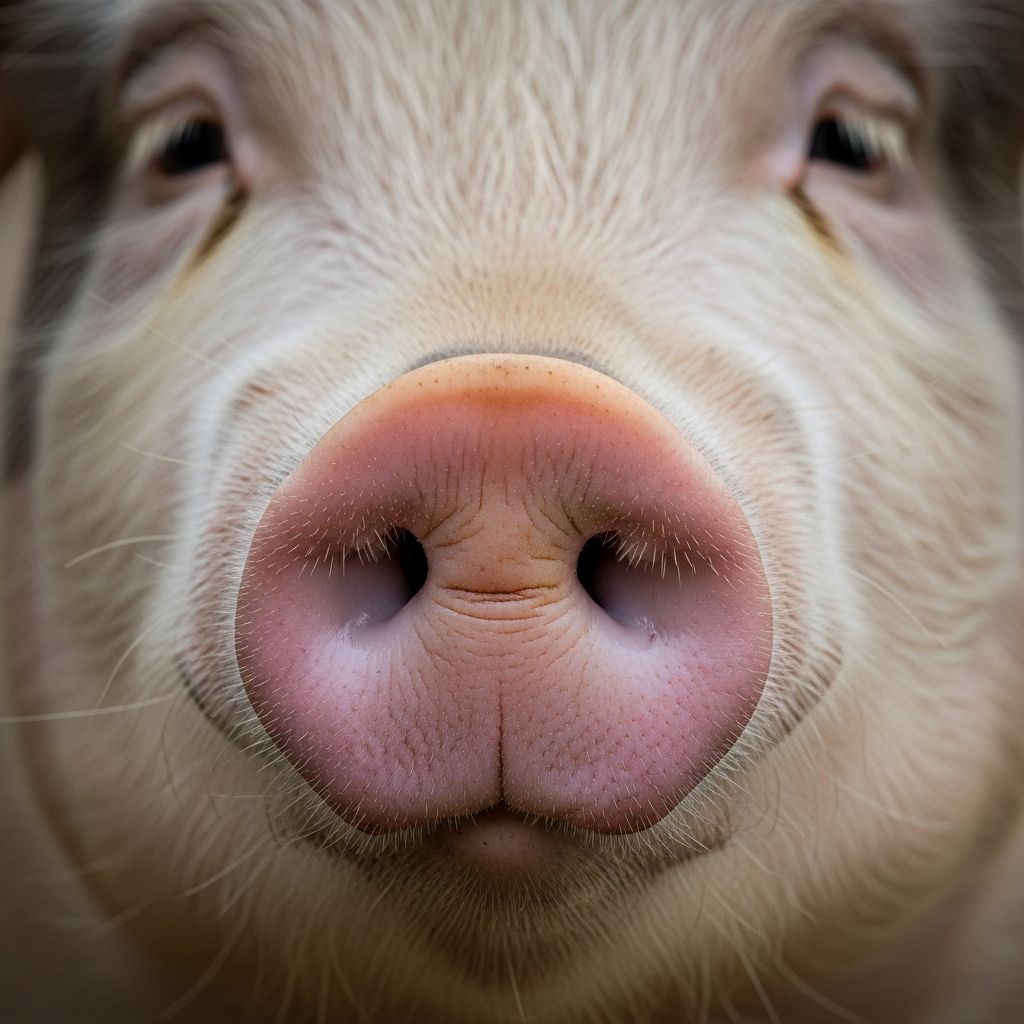
Atrophic rhinitis represents a significant challenge in swine production, characterized by progressive damage to the nasal structures that impairs breathing, growth, and overall herd performance. This condition arises primarily from bacterial infections that target the upper respiratory tract, leading to economic losses through reduced weight gain and increased susceptibility to secondary infections.
Understanding the Disease Basics
Atrophic rhinitis primarily affects young pigs, manifesting as inflammation and atrophy of the nasal turbinates. These scroll-like bones in the nasal cavity filter air and warm it before it reaches the lungs. When damaged, pigs experience compromised air filtration, making them prone to dust inhalation, further infections, and inefficient feed conversion. The disease’s impact varies by form: milder versions cause temporary issues, while severe progressive cases result in permanent deformities and stunted growth.
Globally prevalent in intensive pig farming systems, atrophic rhinitis influences production efficiency. Studies indicate affected herds may see feed conversion ratios worsen by up to 0.5 units, delaying market weight by 4-6 weeks per pig. Early recognition and intervention are crucial for mitigating these effects.
Bacterial Culprits Behind the Condition
The primary pathogen responsible for progressive atrophic rhinitis is toxigenic Pasteurella multocida, particularly strains producing dermonecrotic toxin (DNT). This toxin directly erodes nasal turbinates, causing irreversible atrophy. Bordetella bronchiseptica often acts as a co-factor, initiating mild, non-progressive atrophy that predisposes pigs to the more destructive P. multocida invasion.
- Toxigenic P. multocida: Produces DNT, leading to bone resorption and snout shortening.
- B. bronchiseptica: Colonizes nasal passages early, enhancing P. multocida adhesion and toxin effects.
- Other factors: Poor ventilation, overcrowding, and young sow parity amplify disease severity.
Infection typically occurs during the sucking period or post-weaning, with B. bronchiseptica shedding persisting up to four months. Host-adapted strains from other species like cats or dogs rarely cross-infect pigs effectively.
Recognizing Clinical Manifestations
Symptoms emerge between 3-8 weeks of age, starting with sneezing, coughing, and nasal discharge. Acute cases may involve nasal hemorrhage, lacrimal duct inflammation causing tear staining, and rapid turbinate destruction. As the disease progresses, visible snout distortion—twisting, shortening, or wrinkling—becomes evident, alongside reduced appetite and growth rates.
| Stage | Key Symptoms | Impact on Pigs |
|---|---|---|
| Early (3-8 weeks) | Sneezing, snuffling, watery discharge | Mild growth check, increased respiratory noise |
| Acute/Severe | Nasal bleeding, tear staining, coughing | Painful eating, weight loss, secondary infections |
| Chronic | Snout deformity, wrinkled skin | Permanent poor gain (up to 25% affected), pneumonia risk |
In herds with high prevalence, up to 25% of pigs show signs by 16 weeks, correlating with depressed feed efficiency and higher culling rates. Severely affected individuals struggle with feed intake, exacerbating production losses.
Diagnostic Approaches for Confirmation
Diagnosis combines clinical observation with laboratory verification. Field signs like sneezing and nasal changes prompt initial suspicion, but confirmation requires culturing toxigenic P. multocida from nasal swabs. Slaughterhouse examination scores turbinate atrophy (0-3 scale), where scores above 2 indicate significant disease.
- Collect nasal swabs from affected piglets using specialized techniques.
- Culture and test for toxin production via PCR or ELISA.
- Perform gross pathology on necropsied snouts for atrophy scoring.
- Differentiate from necrotic rhinitis, which involves deeper tissue necrosis.
Routine herd monitoring via slaughter checks helps track prevalence, guiding intervention timing.
Management and Treatment Strategies
Treatment focuses on reducing bacterial load and supporting recovery. Acute outbreaks demand immediate vaccination of sows (two doses, 4-6 weeks apart), followed by pre-farrowing boosters. Weaned pigs benefit from in-feed antibiotics until signs subside, combined with environmental improvements like better ventilation.
- Vaccination: Toxin-based bacterins provide maternal immunity, dropping prevalence from 25% to <1% within months.
- Antibiotics: Targeted against P. multocida, used judiciously to prevent resistance.
- Management: All-in-all-out systems, reduced stocking density, and dust control.
Post-vaccination, infections may still occur in finishing units but with minimal clinical impact, though vigilance against secondary pneumonia remains essential.
Prevention: Building Resilient Herds
Proactive prevention outperforms reactive treatment. Sow vaccination schedules ensure colostral antibodies protect piglets through weaning. Biosecurity measures—limiting fomites, quarantining new stock, and maintaining optimal housing—curb introduction.
Key prevention pillars:
- Depopulate and disinfect finishing barns between batches.
- Monitor sow parity; older sows offer better immunity transfer.
- Implement air filtration and temperature control to minimize stress.
Integrated approaches have drastically reduced incidence in modern herds, enhancing profitability.
Economic Implications for Producers
Atrophic rhinitis erodes margins through slower growth, higher feed costs, and veterinary expenses. Herds with unchecked disease face 10-20% production drops, with severe cases extending finish times significantly. Conversely, control programs yield rapid ROI via improved daily gains and FCR.
FAQs on Atrophic Rhinitis in Pigs
What causes the snout twisting in affected pigs?
Toxins from P. multocida resorb nasal turbinates, leading to asymmetric growth and deformity.
Can atrophic rhinitis be cured once symptoms appear?
Progressive forms cause permanent damage, but early intervention halts progression and supports recovery.
How effective is vaccination against this disease?
Highly effective; prevalence can fall below 1% within six months of implementation.
Does atrophic rhinitis affect adult pigs?
Primarily young pigs; adults are carriers, shedding bacteria to offspring.
What housing changes help prevent outbreaks?
Improved ventilation, lower density, and dust reduction minimize stress and bacterial spread.
Future Directions in Control
Ongoing research explores advanced vaccines targeting multiple toxins and genomics for strain tracking. Precision farming tools, like real-time health monitoring, promise earlier detection. Producers should stay updated via veterinary extension services.
References
- Atrophic Rhinitis in Pigs — Merck Veterinary Manual. 2023. https://www.merckvetmanual.com/respiratory-system/respiratory-diseases-of-pigs/atrophic-rhinitis-in-pigs
- Progressive Atrophic Rhinitis (PAR) — MSD Animal Health Swine. 2023. https://www.msd-animal-health-swine.com/diseases-solutions/sowcare/progressive-atrophic-rhinitis-par/
- Atrophic Rhinitis — NCBI Bookshelf (Polymicrobial Diseases). 2002 (authoritative reference). https://www.ncbi.nlm.nih.gov/books/NBK2478/
- Atrophic Rhinitis (AR) — The Pig Site. 2023. https://www.thepigsite.com/disease-guide/atrophic-rhinitis-ar-progressive-atrophic-rhinitis-par
- Progressive Atrophic Rhinitis — NADIS. 2023. https://www.nadis.org.uk/disease-a-z/pigs/progressive-atrophic-rhinitis/
- Atrophic Rhinitis — MSD Animal Health Ireland. 2023. https://www.msd-animal-health.ie/species/pigs/atrophic-rhinitis/
Similar Articles








Read full bio of medha deb


