

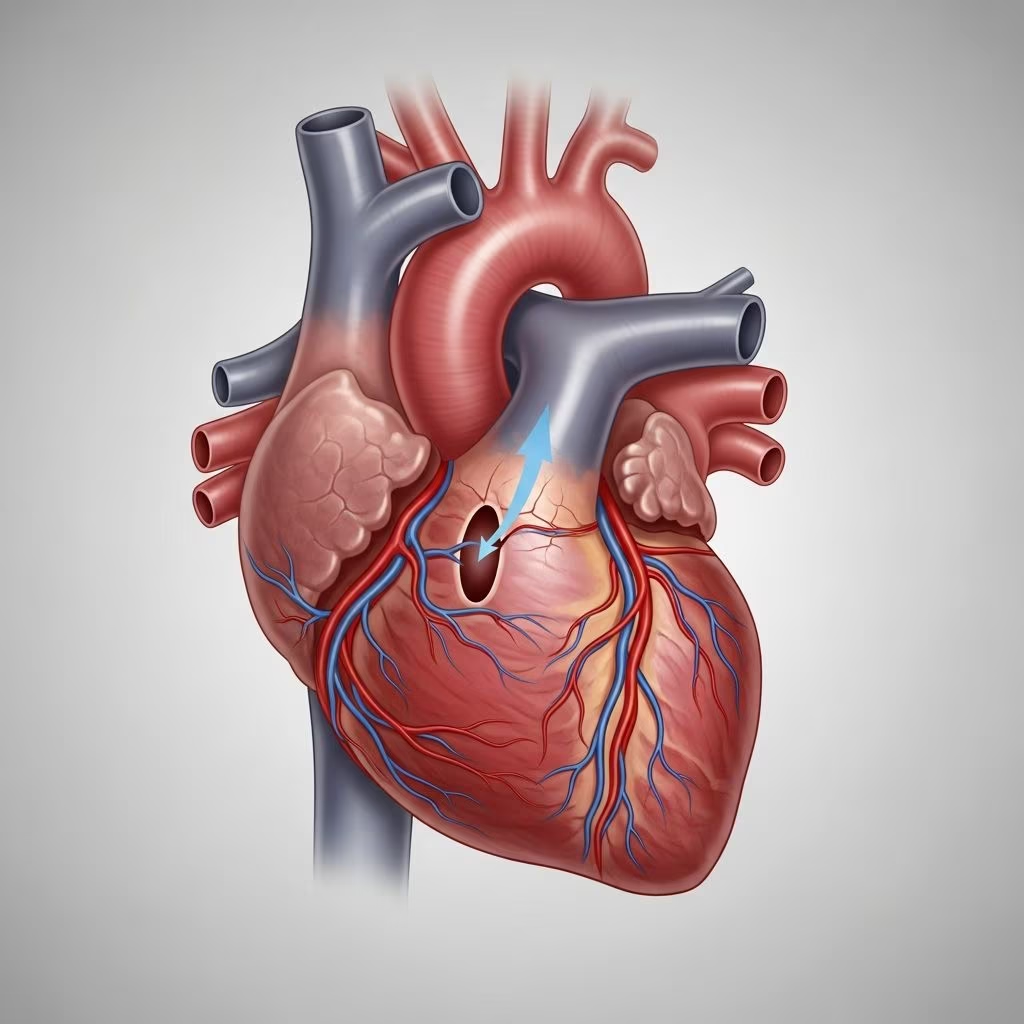
Atrial septal defect (ASD) represents a common congenital heart anomaly in dogs and cats, characterized by an abnormal opening in the septum dividing the heart’s upper chambers. This condition disrupts normal blood flow, potentially leading to serious cardiovascular complications if untreated. While many small defects resolve spontaneously, larger ones demand vigilant monitoring and intervention to safeguard pet health.
Understanding the Anatomy and Pathophysiology of ASD
The heart’s atrial septum normally prevents mixing of oxygenated blood from the left atrium with deoxygenated blood from the right atrium. In ASD, this barrier fails to form properly during fetal development, allowing a left-to-right shunt where oxygen-rich blood recirculates to the lungs. Over time, excessive pulmonary blood flow strains the right ventricle, fostering enlargement and potential failure.
In veterinary patients, breeds like Boxers, German Shepherds, and certain small dogs such as Chihuahuas show higher predisposition, though cats can also be affected. The defect’s size dictates severity: minor openings under 5mm often close naturally in the first year, while larger gaps exceeding 1cm necessitate action.
Recognizing Early Warning Signs in Dogs and Cats
Many pets with ASD remain asymptomatic initially, especially with small defects. However, progressive signs emerge as the heart compensates. Common indicators include:
- Exercise intolerance or rapid fatigue during play
- Persistent coughing or labored breathing
- Recurrent respiratory infections
- Stunted growth or poor weight gain in puppies and kittens
- Swelling in the abdomen or limbs due to fluid buildup
In advanced stages, cyanosis—a bluish tint to gums or tongue—signals right-to-left shunting and pulmonary hypertension, a critical development known as Eisenmenger syndrome. Owners might notice fainting spells or irregular heart rhythms during routine activities.
Diagnostic Approaches for Accurate Confirmation
Veterinarians rely on a multi-modal strategy to diagnose ASD. Initial auscultation often reveals a characteristic systolic murmur over the left heart base, prompting further investigation.
Key Diagnostic Tools:
| Method | Purpose | Advantages |
|---|---|---|
| Echocardiography | Visualizes defect size, shunt direction, and chamber enlargement | Non-invasive, real-time imaging |
| Electrocardiogram (ECG) | Detects arrhythmias or right ventricular hypertrophy | Quick assessment of electrical activity |
| Chest X-rays | Evaluates lung congestion and heart silhouette | Identifies pulmonary overcirculation |
| Cardiac Catheterization | Measures pressures and oxygen saturations | Gold standard for shunt quantification |
Echocardiography stands as the cornerstone, quantifying shunt ratios and guiding treatment decisions. Defects with ratios exceeding 1.5:1 typically warrant closure.
Treatment Pathways: From Monitoring to Surgical Solutions
Management hinges on defect size, symptoms, and age. Small, asymptomatic ASDs (<5mm) often undergo watchful waiting, with up to 75% closing spontaneously by age 2-3[10].
Medical Management: While no drugs seal the hole, medications alleviate symptoms:
- Diuretics to combat fluid retention
- Beta-blockers for heart rate control
- Anticoagulants post-repair to prevent clots
Interventional Therapies:
Percutaneous catheter closure suits secundum-type ASDs, where a device is deployed via groin access to plug the hole. This minimally invasive option boasts lower complication rates (around 7%) compared to surgery. Open-heart surgery, involving patches, addresses complex types like primum or sinus venosus defects.
Post-procedure, pets require 6-12 months of antiplatelet therapy and restricted activity to ensure device endothelialization. Success rates exceed 95% in suitable candidates, dramatically improving quality of life.
Long-Term Prognosis and Complication Risks
Early intervention yields excellent outcomes; repaired pets often lead normal lifespans. Untreated large ASDs risk pulmonary hypertension, heart failure, or paradoxical emboli leading to strokes. Regular follow-ups with echocardiography monitor for residual shunts or arrhythmias.
Breeding from affected animals is discouraged to curb hereditary transmission, prevalent in predisposed lines.
Pet Insurance: Safeguarding Against High Costs
ASD diagnostics and repairs can exceed $5,000-$15,000, covering echoes ($300-$800), surgeries, and lifelong meds. Comprehensive pet insurance reimburses 70-90% of eligible expenses, mitigating financial strain[original inspiration]. Policies excluding pre-existing conditions underscore early screening’s value during wellness exams.
Compare plans emphasizing congenital coverage, unlimited payouts, and short waiting periods for heart conditions to optimize protection.
Prevention, Screening, and Breeder Responsibilities
Prospective owners should request cardiac evaluations from breeders, including echocardiograms for at-risk breeds. Routine puppy/kitten checkups facilitate early detection, as murmurs appear by 6-8 weeks.
Genetic counseling aids breeders in reducing incidence through selective pairing and health certifications.
Frequently Asked Questions (FAQs)
Can my pet live a normal life with ASD?
Yes, with timely repair, most pets thrive without restrictions post-recovery.
Is ASD hereditary in dogs?
Often linked to genetics in breeds like Boxers; avoid breeding affected individuals.
How soon should surgery occur?
Ideally before age 3 if symptomatic or shunt significant, preventing irreversible damage.
What are signs of complications post-repair?
Watch for lethargy, coughing, or arrhythmias; contact your vet immediately.
Does pet insurance cover ASD treatment?
Yes, if not pre-existing; review policy for congenital exclusions[original inspiration].
Armed with knowledge, pet owners can navigate ASD effectively, ensuring their companions receive optimal care.
References
- Atrial Septal Defects – Symptoms, Causes, Treatment — NORD (rarediseases.org). 2023. https://rarediseases.org/rare-diseases/atrial-septal-defects/
- Atrial Septal Defect: Symptoms, Types & Treatment — Cleveland Clinic. 2024-01-15. https://my.clevelandclinic.org/health/diseases/11622-atrial-septal-defect-asd
- Atrial Septal Defect — NCBI StatPearls. 2024-07-20. https://www.ncbi.nlm.nih.gov/books/NBK535440/
- Atrial Septal Defect (ASD) – Diagnosis and Treatment — Mayo Clinic. 2024. https://www.mayoclinic.org/diseases-conditions/atrial-septal-defect/diagnosis-treatment/drc-20369720
- Atrial Septal Defect (ASD) – Symptoms and Causes — Mayo Clinic. 2024. https://www.mayoclinic.org/diseases-conditions/atrial-septal-defect/symptoms-causes/syc-20369715
- Atrial Septal Defect (ASD) — Children’s Hospital Colorado. 2023-11-10. https://www.childrenscolorado.org/conditions-and-advice/conditions-and-symptoms/conditions/atrial-septal-defect/



