
Atopy in Dogs: Managing Allergic Reactions
Understand the causes, symptoms, diagnosis, and effective treatments for atopy, helping your dog live comfortably despite allergic challenges.
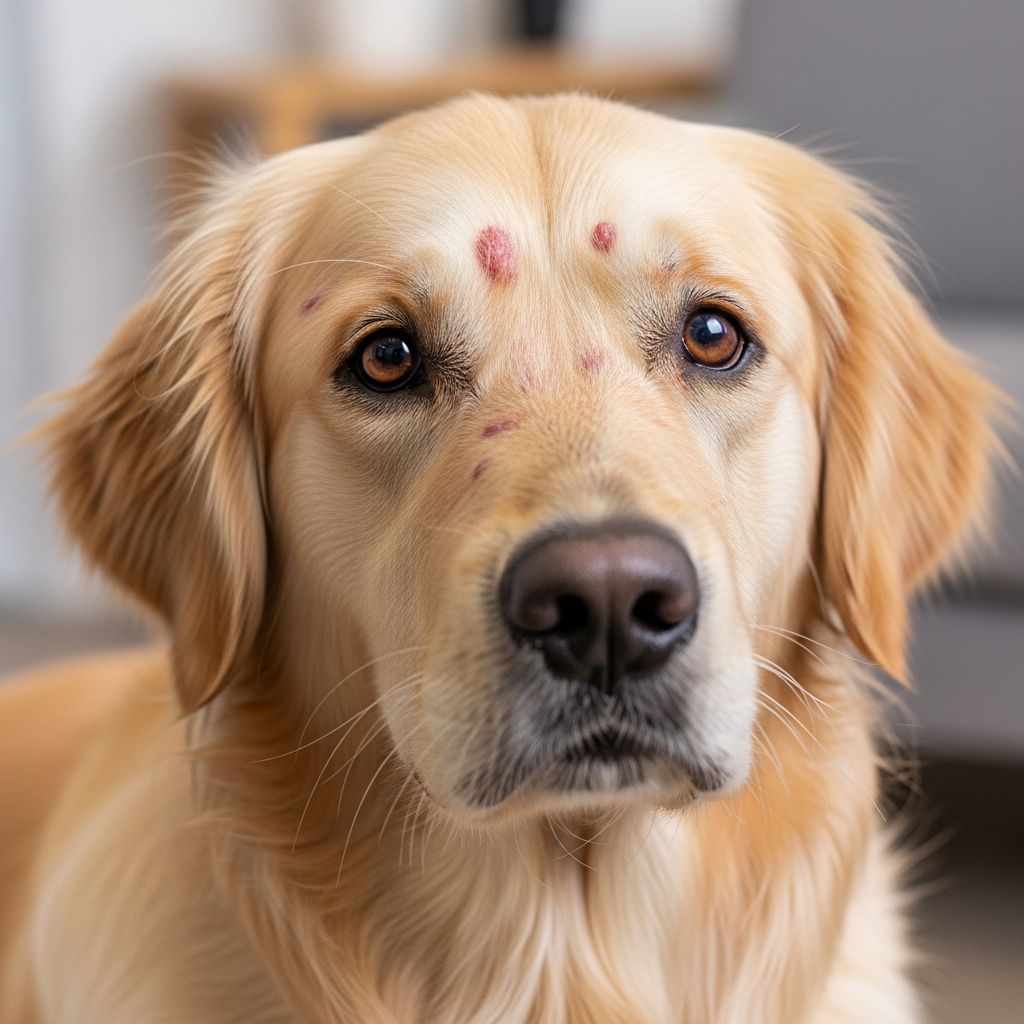
Atopy represents a prevalent allergic condition in dogs, classified as a Type I hypersensitivity reaction where the immune system overreacts to environmental allergens like pollen, dust mites, and molds. This leads to chronic inflammation, primarily affecting the skin and sometimes the respiratory tract, causing significant discomfort for affected pets.
Understanding the Immune Basis of Canine Atopy
The canine immune system normally protects against pathogens, but in atopy, it misidentifies harmless substances as threats, triggering an immediate hypersensitivity response. Homocytotropic antibodies, particularly IgE, bind to mast cells and basophils, releasing histamine and other mediators upon allergen exposure. This cascade results in rapid symptoms, distinguishing Type I reactions from other immune disorders like Type II antibody-mediated or Type III complex diseases.
Dogs inherit genetic predispositions to atopy, with certain breeds showing higher susceptibility due to impaired skin barriers and heightened IgE production. Environmental factors exacerbate this, making young dogs aged 1-3 years most commonly affected.
Common Triggers Behind Allergic Responses
- Environmental allergens: Pollen from trees, grasses, and weeds; house dust mites; molds.
- Contact irritants: Though not true atopy, secondary flea infestations often worsen symptoms.
- Food-related: Rarely primary atopy but can mimic via elimination trials distinguishing from true environmental causes.
Unlike acute anaphylaxis, atopy manifests seasonally or year-round depending on allergen persistence.
Recognizing Symptoms in Your Dog
Owners often notice relentless
itching
first, leading to scratching, licking, and chewing, especially on paws, ears, face, and underbelly. This progresses toskin changes
: redness, papules, oily seborrhea, and secondary infections causing crusting or odor. In severe cases,recurrent ear infections
orrespiratory signs
like sneezing emerge.| Symptom | Description | Common Sites |
|---|---|---|
| Pruritus (Itching) | Intense, non-stop scratching or rubbing | Paws, ears, groin |
| Erythema | Red inflamed skin | Face, axillae |
| Alopecia | Hair loss from self-trauma | Ventral abdomen |
| Pyoderma | Bacterial infections secondary to barrier breach | Generalized |
Diagnostic Approaches for Accurate Identification
Veterinarians start with a thorough history and physical exam to rule out fleas, mange, or food allergies via elimination diets. Intradermal skin testing injects diluted allergens subcutaneously; positive wheal reactions indicate sensitization. Serum IgE assays detect allergen-specific antibodies, aiding in targeted therapy selection.
- Skin biopsy: Confirms allergic dermatitis histologically.
- Cytology: Identifies secondary yeast or bacterial overgrowth.
Differential diagnoses include endocrine disorders like hypothyroidism, necessitating bloodwork.
Comprehensive Treatment Strategies
Treatment prioritizes
allergen avoidance
: frequent bathing with hypoallergenic shampoos, air filtration, and flea control. Pharmacologic interventions form the cornerstone:- Glucocorticoids: Prednisone (2-4 mg/kg initially, tapered) rapidly controls inflammation but risks side effects like polyuria.
- Omalizumab alternatives: In dogs, cyclosporine (5 mg/kg daily) offers steroid-sparing effects for chronic management.
- Antihistamines: Variable efficacy; often combined.
- Essential fatty acids: Omega-3 supplements modulate skin barrier.
**Immunotherapy** (hyposensitization) customizes allergen extracts for sublingual or injection protocols, achieving remission in 60-70% of cases long-term.
Preventing Secondary Complications
Chronic atopy predisposes to pyoderma and otitis; proactive antimicrobials (e.g., cephalexin) and medicated wipes mitigate this. Regular vet monitoring adjusts therapies, minimizing steroid dependency.
Breeds at Higher Risk and Genetic Factors
Predisposed breeds include
Golden Retriever
,Labrador
,Bulldog
,Shar-Pei
, andWest Highland White Terrier
, linked to filaggrin gene mutations impairing epidermal integrity.Living with Atopy: Long-Term Care Tips
- Wipe paws post-walks to remove pollen.
- Use allergen-proof bedding.
- Monitor for flares; keep a symptom diary.
- Consider hypoallergenic diets if food overlap suspected.
FAQs on Canine Atopy
Can atopy be cured completely?
No, but effective management controls symptoms lifelong, improving quality of life significantly.
Is flea allergy the same as atopy?
No; flea allergy is a specific hypersensitivity, but fleas exacerbate atopy—strict prevention essential.
How soon do treatments work?
Glucocorticoids act within days; immunotherapy requires 3-6 months for peak efficacy.
Should I breed an atopic dog?
Avoid, as heritability is high; genetic counseling recommended.
Are natural remedies effective?
Limited evidence; consult vets before alternatives like coconut oil.
Prognosis and Owner Expectations
With diligent care, most dogs achieve good control, though flares occur. Early intervention prevents chronic changes like lichenification. Costs vary: $500-2000/year for meds/immunotherapy.
Atopy demands partnership between owners and vets; consistent strategies yield comfortable, happy dogs.
References
- A review of immunologic diseases of the dog — National Center for Biotechnology Information (PMC). 2020-03-15. https://pmc.ncbi.nlm.nih.gov/articles/PMC7119806/
- Canine skin autoimmune diseases — Cornell University College of Veterinary Medicine. 2023-01-01. https://www.vet.cornell.edu/departments-centers-and-institutes/riney-canine-health-center/canine-health-information/canine-skin-autoimmune-diseases
- Autoimmune Disease in Dogs — PetMD (Maddie’s Fund). 2024-06-12. https://www.petmd.com/dog/conditions/immune/autoimmune-disease-dogs
- Immune-deficiency Diseases in Dogs — Merck Veterinary Manual. 2025-02-01. https://www.merckvetmanual.com/dog-owners/immune-disorders-of-dogs/immune-deficiency-diseases-in-dogs
- Immune-Mediated Diseases — Purdue University College of Veterinary Medicine. 2024-11-20. https://vet.purdue.edu/hospital/small-animal/resources/immune-mediated-diseases.php
Similar Articles








Read full bio of medha deb




