

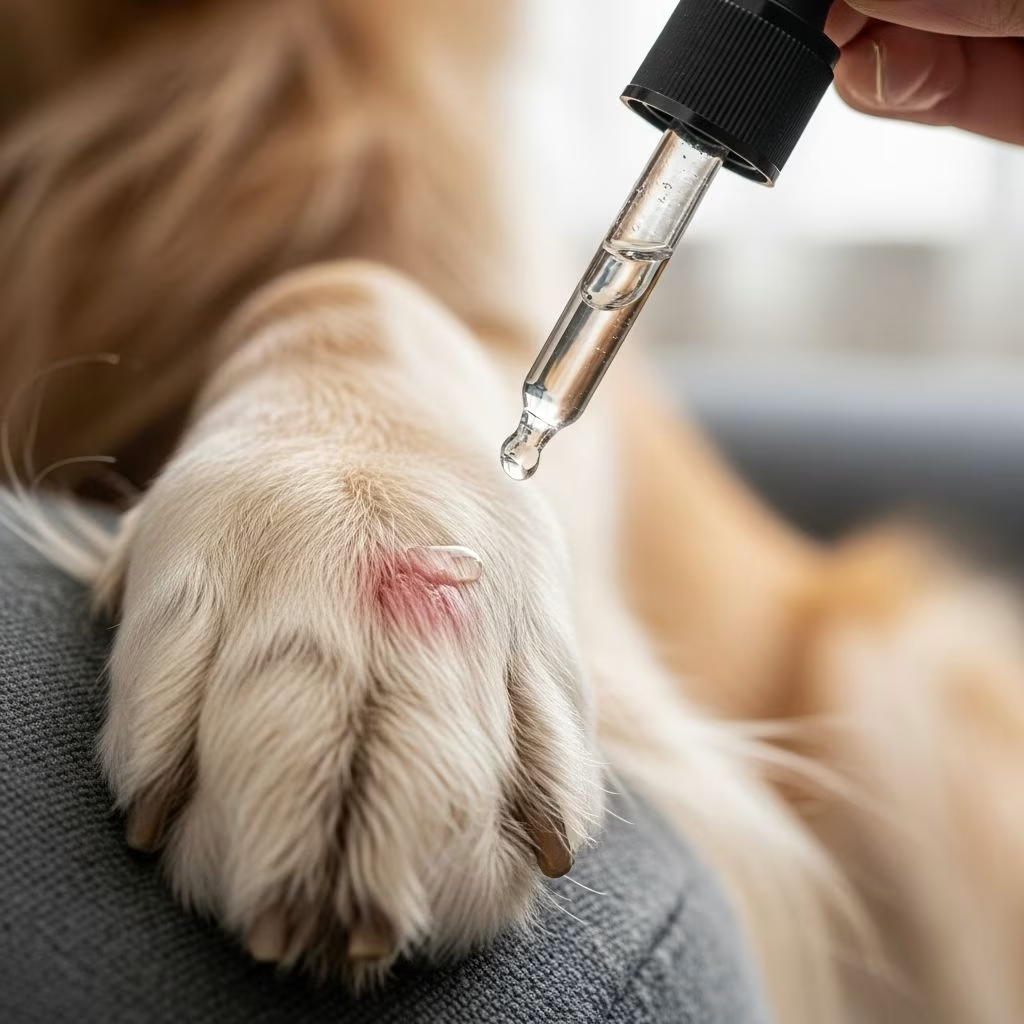
Understanding Atopivet Topical for Canine Atopic Dermatitis
Atopivet topical spray represents an important therapeutic option in the management of canine atopic dermatitis, a chronic inflammatory skin condition affecting numerous dogs worldwide. Atopic dermatitis, commonly referred to as atopy, is one of the most prevalent cutaneous inflammatory and pruritic diseases in dogs, characterized by intense itching, skin inflammation, and secondary complications. Atopivet topical spray provides veterinarians and pet owners with a localized treatment approach that can deliver targeted anti-inflammatory relief directly to affected skin areas.
The condition manifests through various clinical signs including excessive scratching, redness, hair loss, and potential secondary infections. Dogs with atopic dermatitis often experience fluctuating symptom severity, with acute flares requiring immediate intervention and chronic management requiring long-term strategies. Topical therapeutic agents like Atopivet spray have become cornerstone treatments in addressing both acute and chronic manifestations of this frustrating condition.
What is Atopivet Topical Spray?
Atopivet topical spray is a medicated spray formulation specifically designed for the management of pruritus and inflammation associated with canine atopic dermatitis. As a topical corticosteroid preparation, it delivers anti-inflammatory medication directly to the skin surface, providing localized relief without requiring systemic absorption through the entire body. This targeted delivery system makes it an attractive option for addressing specific affected areas while minimizing potential systemic side effects associated with oral medications.
The spray formulation offers practical advantages for pet owners, allowing for easy application to multiple sites and facilitating consistent dosing. Unlike oral medications that require administration schedules and potential compliance challenges, topical sprays can be applied directly where symptoms are most prevalent, making treatment more intuitive and efficient.
How Atopivet Works
Atopivet topical spray functions by delivering corticosteroid medication to the dermis and epidermis of affected skin areas. Corticosteroids work through multiple mechanisms to reduce inflammation and pruritus in dogs with atopic dermatitis. These medications inhibit the production of pro-inflammatory cytokines responsible for the inflammatory cascade that characterizes atopic dermatitis. By reducing inflammatory signaling, corticosteroids effectively diminish the intense itching sensation that drives excessive scratching and self-trauma.
The spray formulation allows for rapid penetration of the active ingredient through the stratum corneum, the outermost skin layer, reaching deeper epidermal structures where inflammation originates. This direct application ensures higher local concentrations of the therapeutic agent at the site of inflammation, maximizing efficacy while potentially reducing the amount of systemic absorption compared to high-dose oral corticosteroids.
Benefits of Using Atopivet Topical
Atopivet topical spray offers several distinct advantages in managing canine atopic dermatitis:
Rapid Action: Topical corticosteroid sprays have demonstrated quick onset of action, with many dogs experiencing noticeable improvement in pruritus within 24 hours of application. This rapid response is particularly valuable during acute flares when dogs experience severe itching and discomfort.
Localized Treatment: The spray formulation allows precise application to affected areas, delivering therapeutic agents exactly where needed without unnecessary systemic exposure. This localized approach is particularly useful for dogs with focal lesions or limited areas of involvement.
Reduced Systemic Side Effects: By concentrating medication at the skin surface, topical applications minimize systemic absorption and associated side effects that can accompany oral corticosteroid therapy. This is especially important for long-term management or in dogs with sensitivity to systemic medications.
Ease of Application: The spray format facilitates straightforward application by pet owners, promoting treatment compliance and consistency. Unlike pills or injections, sprays require minimal training and can be administered during routine handling.
Indications for Atopivet Use
Atopivet topical spray is indicated for managing both acute flares and chronic manifestations of canine atopic dermatitis. During acute exacerbations characterized by severe pruritus and visible inflammation, topical corticosteroid sprays serve as cornerstone therapy, rapidly reducing symptoms and allowing pet owners and veterinarians to prevent further self-trauma and secondary infections.
The spray formulation works particularly well for dogs with localized lesions, focal areas of erythema, or specific body regions most affected by their atopy. Additionally, Atopivet spray can be incorporated into multimodal treatment protocols combining multiple therapeutic approaches to address different aspects of the inflammatory cascade and provide comprehensive symptom management.
Application Guidelines and Dosing
Proper application technique maximizes Atopivet spray efficacy and minimizes potential complications. Before application, veterinarians typically recommend gently cleaning affected areas to remove debris, crusts, or secondary bacterial colonization. The spray should be applied directly to affected skin regions, with careful attention to ensure adequate coverage of inflammatory lesions.
The specific concentration and frequency of application depend on individual patient factors, disease severity, and response to therapy. Pet owners should follow veterinary guidance regarding application frequency, typically ranging from daily to several times weekly depending on acute versus chronic management goals. The spray formulation allows for precise dosing without the systemic exposure of oral medications.
Application frequency may be adjusted based on clinical response and therapeutic goals. During acute flares, more frequent application may be necessary to rapidly control inflammation and pruritus. As symptoms improve, application frequency can often be reduced to maintenance levels, supporting long-term management while minimizing medication exposure.
Complementary Treatment Approaches
While Atopivet topical spray provides valuable localized anti-inflammatory relief, comprehensive atopic dermatitis management typically involves multimodal approaches addressing different disease mechanisms. Combining topical therapy with other treatment modalities can enhance overall efficacy and provide superior symptom control.
Medicated Baths and Shampoos: Weekly bathing with emollient shampoos containing specific lipids, antiseptics, or complex sugars helps remove allergens from the skin surface and coat, reducing pruritus and inflammatory lesions. These bathing protocols work synergistically with topical sprays to address both allergen exposure and inflammatory responses.
Systemic Therapies: Oral medications such as oclacitinib (Apoquel) or lokivetmab (Cytopoint) can be combined with topical sprays to provide broader anti-inflammatory coverage and address pruritus through multiple mechanisms. Such combinations prove particularly valuable for dogs with generalized disease or those failing single-agent therapy.
Antihistamines: Oral type 1 antihistamines may provide supplementary relief, particularly for mild cases or as prophylactic therapy administered before anticipated flares. These agents work through different mechanisms than corticosteroids and can enhance overall symptom control when combined appropriately.
Immunotherapy: Allergen-specific immunotherapy, administered as subcutaneous injections or oral solutions, can reduce long-term reliance on symptomatic medications by building tolerance to environmental allergens. This approach complements acute symptom management with long-term disease modification.
Potential Side Effects and Considerations
Topical corticosteroid sprays are generally well-tolerated with minimal systemic absorption when applied correctly. However, pet owners should be aware of potential considerations. Excessive or prolonged application to large skin areas could theoretically result in significant systemic absorption, necessitating adherence to veterinary dosing recommendations.
Some dogs may experience mild localized reactions including temporary stinging or drying of treated skin areas. Additionally, topical applications may need to be avoided or used cautiously around eyes, ears, and other sensitive areas unless specifically directed by veterinarians.
Secondary infections commonly complicate atopic dermatitis, and untreated bacterial or yeast colonization may limit topical spray efficacy. In such cases, concurrent antimicrobial therapy may be necessary to optimize treatment outcomes.
Integrating Atopivet Into Treatment Plans
Effective atopic dermatitis management requires individualized treatment planning based on disease severity, patient characteristics, and response to therapy. Atopivet topical spray fits into comprehensive protocols in multiple ways. For acute flares, it serves as rapid-action frontline therapy to quickly reduce pruritus and prevent self-trauma. For chronic management, regular topical application can help maintain disease control and reduce reliance on systemic corticosteroids.
Veterinarians often combine Atopivet spray with other modalities based on individual needs. Dogs with generalized disease might receive systemic therapy with topical spray for focal lesions. Those with environmental allergies might combine topical treatment with immunotherapy. The flexibility of topical spray formulations makes them valuable components of tailored treatment strategies.
Owner Education and Compliance
Successful management of canine atopic dermatitis depends significantly on owner understanding and compliance with treatment protocols. Pet owners should receive clear instructions on Atopivet spray application techniques, including proper skin preparation, application frequency, and signs indicating treatment efficacy or potential complications.
Understanding that atopic dermatitis typically requires long-term management helps set realistic expectations about treatment goals. While Atopivet spray provides rapid symptom relief during acute flares, comprehensive disease management often involves ongoing therapy combining multiple modalities. Regular communication with veterinarians ensures treatment plans remain optimized as disease manifestations evolve.
Frequently Asked Questions About Atopivet Topical
Q: How quickly does Atopivet topical spray work?
A: Many dogs experience noticeable improvement in pruritus within 24 hours of Atopivet application, making it an excellent choice for acute flare management when rapid relief is needed.
Q: Can Atopivet be used long-term?
A: Atopivet can be incorporated into chronic management protocols, though specific duration and frequency should be determined by your veterinarian based on individual patient response and disease characteristics.
Q: Is Atopivet safe for all dogs?
A: Topical corticosteroid sprays are generally well-tolerated by most dogs. However, individual patient factors, concurrent medications, and skin conditions should be evaluated by your veterinarian before initiating therapy.
Q: Can Atopivet be combined with other medications?
A: Yes, Atopivet topical spray can be combined with various systemic medications and other topical therapies as part of multimodal treatment approaches. Your veterinarian will determine appropriate combinations based on your dog’s specific needs.
Q: What should I do if my dog’s symptoms don’t improve with Atopivet?
A: If symptoms persist despite appropriate Atopivet application, contact your veterinarian. Alternative or additional therapies may be needed, and underlying secondary infections or other complications should be evaluated.
Q: How should I store Atopivet spray?
A: Follow label storage instructions provided by your veterinarian or medication packaging. Most topical sprays should be stored at room temperature away from excessive heat or cold.
Conclusion
Atopivet topical spray represents an evidence-based therapeutic option for managing canine atopic dermatitis, offering rapid symptom relief through localized anti-inflammatory action. Its ease of application, favorable side effect profile, and rapid onset make it valuable for acute flare management and chronic disease control. When integrated into comprehensive, multimodal treatment plans tailored to individual patient needs, Atopivet spray helps veterinarians and pet owners effectively manage this challenging chronic condition, significantly improving quality of life for affected dogs.
References
- Canine atopic dermatitis: a roadmap to individualized, multimodal treatment — DVM360. 2024. https://www.dvm360.com/view/canine-atopic-dermatitis-a-roadmap-to-individualized-multimodal-treatment
- Canine Atopic Dermatitis: Update on Treatment Options — College of Veterinary Medicine, University of Illinois. 2021-05-11. https://vetmed.illinois.edu/2021/05/11/canine-atopic-dermatitis-updated-treatment-options/
- Current Knowledge on Canine Atopic Dermatitis — National Center for Biotechnology Information (NCBI). 2022. https://pmc.ncbi.nlm.nih.gov/articles/PMC9204668/
- Treatment of Atopic Dermatitis in dogs and cats — Davies Veterinary Specialists. 2024. https://www.vetspecialists.co.uk/fact-sheets-post/treatment-of-atopic-dermatitis-in-dogs-and-cats/
- Canine atopic dermatitis – Virbac — Virbac US Veterinary. 2024. https://vet-us.virbac.com/home/dog/dog-dermatology/anti-inflammatory-drugs-are-a–1.html
- Atopic dermatitis (atopy) — Cornell University College of Veterinary Medicine, Riney Canine Health Center. 2024. https://www.vet.cornell.edu/departments-centers-and-institutes/riney-canine-health-center/canine-health-topics/atopic-dermatitis-atopy
- Dog Skin Allergies: Causes, Symptoms, and Treatment — PetMD. 2024. https://www.petmd.com/dog/general-health/dog-skin-allergies



