

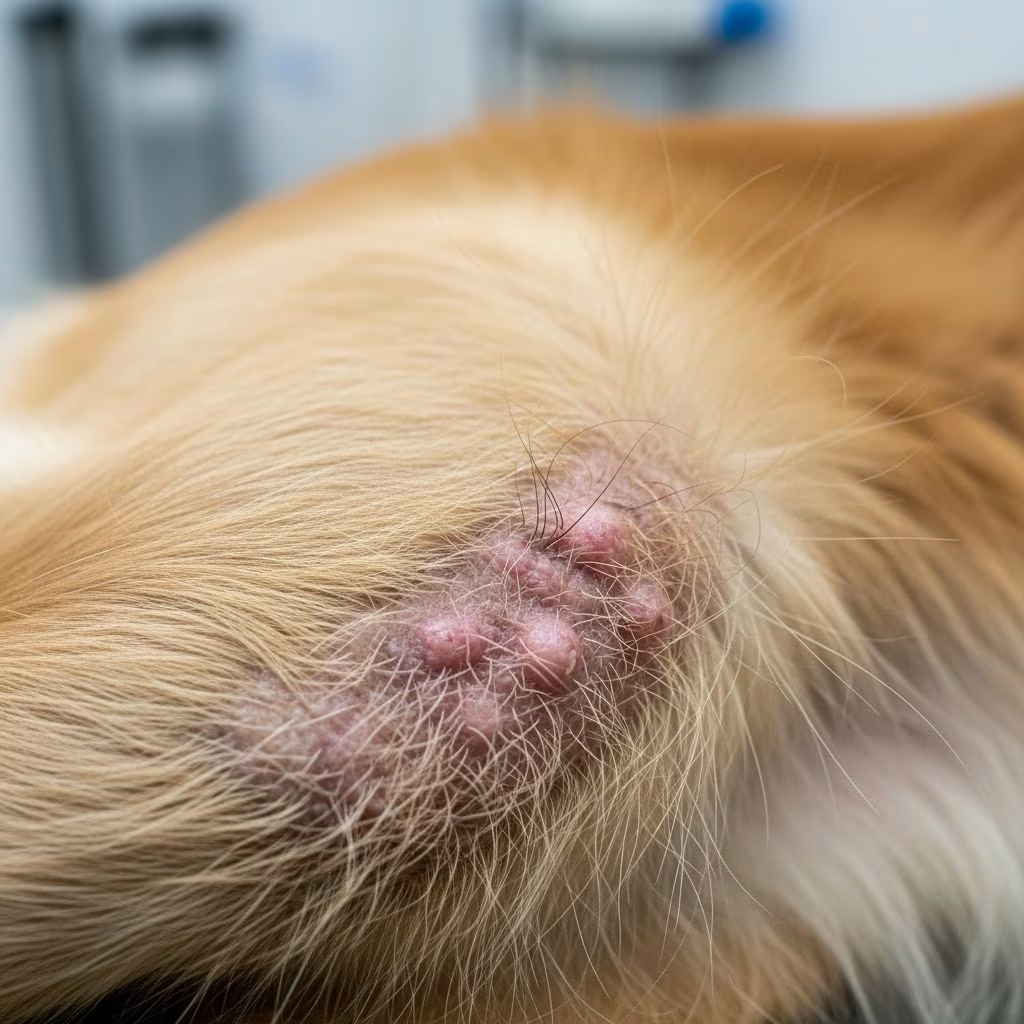
Atopic dermatitis, often called environmental allergies or eczema, is a common chronic skin condition in dogs and cats triggered by allergens like pollen, dust mites, and mold. It leads to intense itching, inflammation, and recurrent infections, significantly affecting pet comfort and quality of life. While not curable, proactive management combining veterinary care, topical treatments, and lifestyle adjustments can control symptoms effectively.
Understanding the Roots of Pet Atopic Dermatitis
At its core, atopic dermatitis in pets stems from an overactive immune response to harmless environmental substances. Genetic predisposition plays a major role, making certain breeds like Golden Retrievers, Labrador Retrievers, French Bulldogs, and Siamese cats more susceptible. Unlike food allergies, which involve dietary proteins, atopic cases primarily react to airborne or contact allergens that penetrate the compromised skin barrier.
The skin’s natural protective layer, known as the stratum corneum, is often defective in affected pets, allowing allergens to trigger histamine release and inflammation. This creates a vicious cycle: itching leads to scratching, which worsens barrier damage and invites bacterial or yeast infections. Research from veterinary dermatology guidelines emphasizes that early intervention targets this barrier dysfunction to break the cycle.
Spotting the Telltale Signs in Your Pet
Recognizing atopic dermatitis early prevents complications. Common symptoms include:
- Persistent scratching, chewing, or licking, especially on paws, ears, belly, and groin.
- Red, inflamed skin with hair loss in patchy areas.
- Recurrent ear infections with dark, waxy discharge.
- Saliva staining on light-colored fur around the mouth or paws.
- Oily, smelly skin due to secondary yeast overgrowth.
In cats, symptoms may manifest as miliary dermatitis—small scabs along the back—or excessive grooming leading to bald spots (psychogenic alopecia). Dogs often show foot chewing and chronic pododermatitis. These signs typically worsen seasonally but can become year-round in indoor environments with constant exposure to house dust mites.
Diagnostic Approaches for Accurate Identification
Veterinarians diagnose atopic dermatitis through a process of elimination and targeted testing. A thorough history review notes age of onset (often under 3 years), breed, and symptom patterns. Skin scrapings and cytology rule out mites, bacteria, and yeast.
Intradermal skin testing or serum IgE blood tests identify specific allergens, guiding immunotherapy. Food trials with hydrolyzed diets exclude dietary causes. Advanced cases may involve video otoscopy for ear exams or skin biopsies to confirm allergic dermatitis versus other conditions like pemphigus.
| Condition | Key Features | Diagnostic Test |
|---|---|---|
| Flea Allergy Dermatitis | Caudo-dorsal itch, live fleas | Flea comb, trial prevention |
| Food Allergy | Year-round itch, GI signs | 8-12 week elimination diet |
| Sarcoptic Mange | Intense itch, crusts | Skin scraping, response to scabicide |
| Atopic Dermatitis | Multi-site, seasonal | Allergy testing, response to therapy |
Building a Multi-Layered Treatment Strategy
Treatment focuses on four pillars: relieving itch, reducing inflammation, restoring the skin barrier, and preventing infections. Guidelines from organizations like the American Academy of Dermatology, adapted for veterinary use, recommend starting with non-pharmacologic measures.
Daily Skin Care Essentials
Moisturizing is foundational. Apply veterinary-approved emollients or sprays multiple times daily, especially after baths. Soak in lukewarm water with gentle chlorhexidine shampoos 1-2 times weekly to remove allergens and debris without stripping oils. Pat dry and seal moisture within 3 minutes.
Bleach baths (dilute household bleach: 1/2 cup per 40 gallons) twice weekly combat staphylococcal infections, mimicking protocols for human atopic dermatitis.
Pharmacologic Interventions for Control
For flares, veterinarians prescribe:
- Topical therapies: Corticosteroid sprays, mousses, or ointments for localized lesions; avoid long-term use on thin skin like groin.
- Oral medications: Short-course steroids, Apoquel (oclacitinib), or Cytopoint injections for rapid itch relief (lasting 4-8 weeks).
- Antibiotics/antifungals: Targeted at secondary infections based on cytology.
Advanced options include cyclosporine for maintenance or JAK inhibitors like topical ruxolitinib analogs in trials.
Allergen-Specific Immunotherapy (ASIT)
The gold standard for long-term management, ASIT desensitizes pets via custom vaccine injections or sublingual drops. Over 60-70% of pets show improvement within 6-12 months, reducing medication needs. Success relies on precise allergen identification.
Home Management and Lifestyle Adjustments
Pet owners play a crucial role. Use hypoallergenic bedding, wash weekly in fragrance-free detergent, and vacuum frequently with HEPA filters. Flea preventives year-round prevent mimicry. Cotton clothing or cone collars curb self-trauma during flares.
Wet-wrap therapy enhances absorption: apply medication, cover with damp cotton (e.g., T-shirt), then dry layer. Use 4-12 hours for severe cases.
Preventing Flares and Promoting Remission
Proactive therapy applies low-dose topicals 2-3 times weekly to subclinical areas. Track symptoms with apps or journals to anticipate seasons. Omega-3 fatty acid supplements support barrier health.
Regular vet check-ups (every 3-6 months) monitor progress and adjust plans. Most pets achieve good control, though some require lifelong management.
When to Seek Emergency Veterinary Care
- Sudden facial swelling or hives (anaphylaxis).
- Honey-crusted lesions or pustules (pyoderma).
- Non-healing ulcers or fever (systemic infection).
- Seizure-like scratching episodes.
FAQs on Pet Atopic Dermatitis
Is atopic dermatitis contagious?
No, it’s an allergic condition, not infectious. However, secondary bacterial spread to humans is possible if hygiene lapses.
Can diet alone cure it?
No, but novel protein diets rule out food allergies. Hypoallergenic foods aid barrier support.
How much does treatment cost?
Initial diagnostics: $300-800. Monthly meds: $50-200. ASIT: $500-1000 startup, $100-300/year.
Will my pet outgrow it?
Some improve post-puberty, but many persist into adulthood.
Emerging Therapies and Research Horizons
Biologics like lokivetmab (Cytopoint) target IL-31 itch cytokine. Gene therapy and microbiome modulation show promise in trials. Pet insurance covers diagnostics and meds, easing financial burden.
References
- Atopic dermatitis clinical guideline — American Academy of Dermatology. 2025 (Focused Update). https://www.aad.org/member/clinical-quality/guidelines/atopic-dermatitis
- Atopic Dermatitis: A Review of Diagnosis and Treatment — PMC/NCBI. 2024. https://pmc.ncbi.nlm.nih.gov/articles/PMC11627575/
- Atopic Dermatitis – A Guide for Your Family — Boston Children’s Hospital. 2025-02. https://www.childrenshospital.org/sites/default/files/2025-02/atopic-dermatitis-guide-english.pdf
- Atopic Dermatitis: A Practical Guide to Management — Skin Therapy Letter/Eczema Society of Canada. Recent. https://www.skintherapyletter.com/atopic-dermatitis/management-guide/
- Treatment of Atopic Dermatitis — American Academy of Pediatrics. Recent. https://www.aap.org/en/patient-care/atopic-dermatitis/treatment-of-atopic-dermatitis/



