

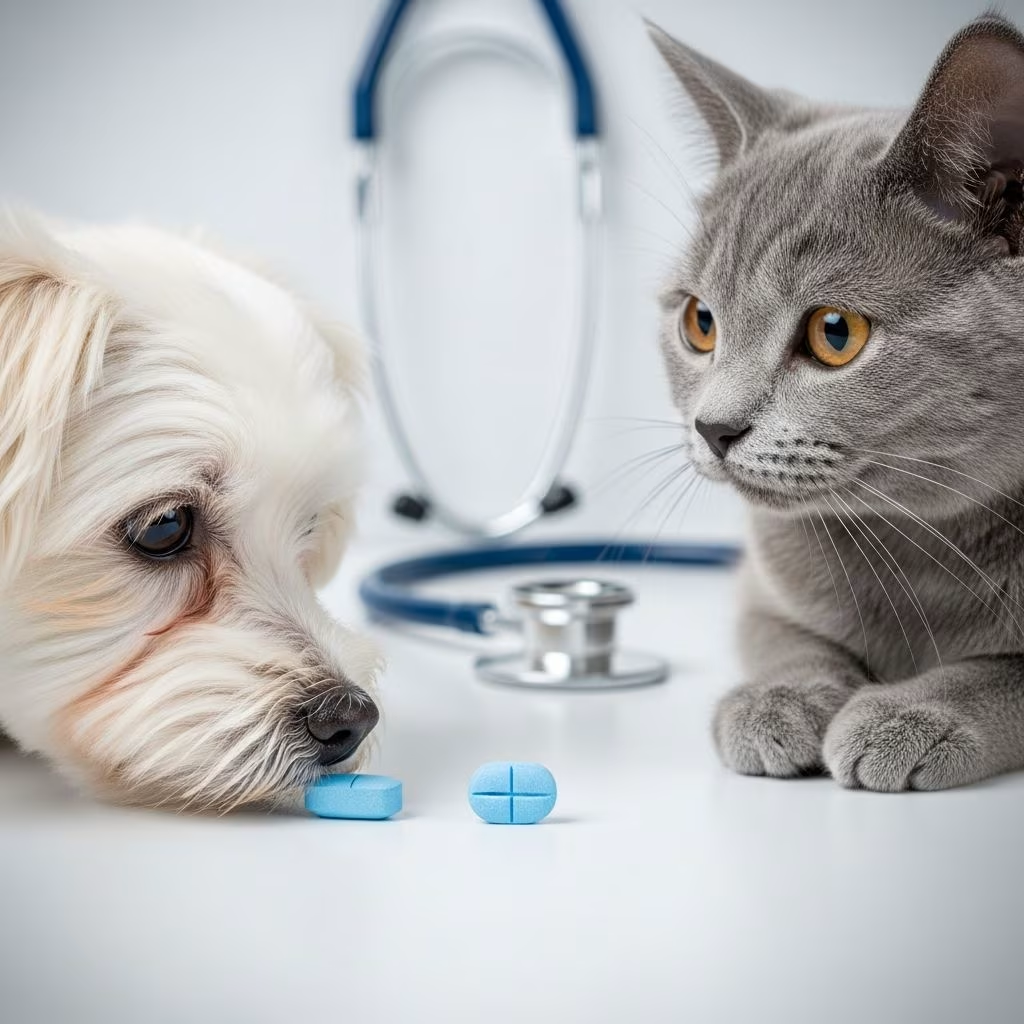
Atenolol for Dogs and Cats: A Complete Guide to Cardiac Treatment
Atenolol is a prescription heart medication belonging to the beta-adrenergic blocker class of drugs, widely utilized in veterinary medicine to manage various cardiac conditions in dogs and cats. This medication plays a crucial role in improving heart function by reducing heart rate, lowering blood pressure, and decreasing cardiac workload. Understanding how atenolol works and its appropriate applications can help pet owners make informed decisions about their animal’s cardiac health in collaboration with their veterinarian.
What Is Atenolol?
Atenolol is a selective beta-1 adrenergic receptor antagonist that has been FDA-approved for human use under the brand name Tenormin. While not officially approved as a veterinary medication, veterinarians legally prescribe atenolol off-label to dogs, cats, and ferrets when treating specific cardiac conditions. The medication is available in multiple formulations, including standard tablets and compounded suspensions, allowing veterinarians to customize treatment based on individual patient needs.
How Atenolol Works
Atenolol functions by blocking beta-1 receptors on the heart, preventing naturally occurring chemical messengers such as epinephrine and norepinephrine from binding to these receptors. This mechanism of action produces several beneficial cardiovascular effects: decreased sinus heart rate, slowed atrioventricular (AV) conduction, reduced cardiac output and oxygen demand, and decreased blood pressure. By slowing the heart rate and allowing prolonged diastole, atenolol permits more time for ventricular and coronary arterial filling, thereby improving cardiac efficiency.
The medication demonstrates superior bioavailability in veterinary patients compared to humans, with absorption rates of 80% in dogs and 90% in cats. Atenolol undergoes minimal hepatic metabolism and is primarily eliminated through the urine, with smaller amounts excreted in feces. This pharmacokinetic profile makes atenolol an effective option for managing chronic cardiac conditions in companion animals.
Therapeutic Uses in Dogs
In canine patients, atenolol serves multiple therapeutic purposes in cardiovascular management:
Arrhythmia Management
Atenolol is commonly prescribed to treat supraventricular tachyarrhythmias and premature ventricular contractions (PVCs), two common irregular heart rhythms in dogs. When treating atrial fibrillation in canines, atenolol is frequently used in combination with digoxin for enhanced therapeutic benefit. The medication’s ability to slow AV conduction and reduce heart rate makes it particularly effective for controlling rapid heartbeats.
Hypertension Treatment
Systemic hypertension in dogs can be effectively managed with atenolol, often used alongside other medications such as calcium channel blockers and ACE inhibitors for optimal blood pressure control. This combination approach addresses hypertension through multiple pharmacological mechanisms, improving overall cardiovascular stability.
Structural Heart Disease
Atenolol is utilized in dogs with obstructive heart conditions including subvalvular aortic stenosis and pulmonic stenosis. Beta-blockers demonstrate cardioprotective properties in early cases of hypertrophic cardiomyopathy by reducing myocardial oxygen demand, potentially slowing disease progression and improving symptoms.
Therapeutic Uses in Cats
Feline patients benefit from atenolol in treating several cardiac conditions, with specific applications and protocols differing from canine use:
Hypertrophic Cardiomyopathy (HCM)
Atenolol is extensively used in cats with HCM, one of the most common acquired heart diseases in this species. Some veterinarians employ atenolol as a first-line therapy for asymptomatic cats with early-stage HCM. When beta-blockers are used to treat established HCM, they are initiated only after the cat has been stabilized with diuretics to prevent acute decompensation. The medication improves cardiac function by reducing heart rate and myocardial oxygen demand, thereby decreasing the severity of left ventricular outflow tract obstruction.
Left Ventricular Outflow Tract Obstruction
Atenolol is superior to diltiazem, another commonly used cardiac medication, in managing left ventricular outflow tract obstruction in cats. The medication’s ability to slow heart rate effectively reduces obstruction severity and decreases cardiac murmur intensity, leading to improved clinical signs.
Hyperthyroidism-Related Hypertension
Cats with hypertension secondary to hyperthyroidism may receive atenolol during initial therapy with methimazole. The medication effectively controls elevated blood pressure associated with thyroid hormone excess, though cats with hyperthyroidism from other etiologies may show less responsiveness to atenolol therapy.
Dosing and Administration
Atenolol dosing varies based on the patient’s weight, the specific condition being treated, and individual response to therapy. The medication is typically administered once or twice daily by mouth, with morning dosing preferred in cats when administering a single daily dose. Veterinarians may prescribe compounded formulations when standard tablets are inappropriate, such as for patients with difficulty swallowing or those requiring non-standard dosage strengths. Pets with chronic kidney disease often require reduced dosages to minimize drug accumulation and associated complications.
Side Effects and Adverse Reactions
While generally well-tolerated, atenolol can produce several side effects, particularly in older animals and those with unstable cardiac disease. The most commonly observed adverse effects include:
- Bradycardia (abnormally slow heart rate)
- Conduction disturbances
- Hypotension (low blood pressure)
- Depression and lethargy
- Loss of appetite
- Diarrhea
Atenolol overdose can produce severe clinical signs requiring hospitalization, including severe bradycardia, lethargy, profound hypotension, weakness, collapse, and vomiting. Pet owners should monitor their animals closely during therapy initiation and report any concerning signs to their veterinarian immediately.
Important Precautions and Contraindications
Beta-blockers like atenolol carry specific contraindications and require careful consideration before use:
Absolute Contraindications
Atenolol should not be used in animals that are hypotensive or bradycardic, as further reduction in heart rate and blood pressure could be life-threatening. Animals with peripheral vascular disease or arterial thromboembolism should not receive beta-blockers. Additionally, beta-blockers should not be initiated in congestive heart failure patients until the animal has been stabilized with diuretics and ACE inhibitors to prevent acute decompensation.
Conditions Requiring Caution
Atenolol should be used with additional caution in animals with sinus node dysfunction, renal dysfunction, and diabetes. Older cats, particularly those with renal problems, require heightened monitoring during atenolol therapy. The medication’s effects on blood glucose metabolism necessitate careful observation in diabetic animals, as atenolol can either increase (hyperglycemia) or decrease (hypoglycemia) blood sugar levels. In higher doses, atenolol may mask symptoms of other conditions such as hyperthyroidism or low blood sugar, complicating diagnosis.
Perioperative Considerations
Atenolol therapy should not be started prior to surgery due to potential drug interactions with anesthetic agents. If a pet is already receiving atenolol and requires surgery, the veterinarian and anesthesiologist must be informed to modify anesthetic protocols appropriately.
Pregnancy and Lactation
Atenolol crosses the placenta and is found in maternal milk, presenting potential risks to developing fetuses and nursing offspring. Pregnant or nursing pets should only receive atenolol if the cardiovascular benefits clearly outweigh potential risks.
Drug Interactions
Atenolol may interact with various medications, potentially causing health risks to pets receiving combination therapy. Common interactive drugs include calcium channel blockers, ACE inhibitors, digoxin, and anesthetic agents. Pet owners must inform their veterinarian about all medications, vitamins, supplements, and herbal therapies their pets are receiving before starting atenolol therapy.
Discontinuation Protocol
Therapy with atenolol or other beta-blockers should never be withdrawn abruptly. Sudden discontinuation can precipitate rebound tachycardia and hypertension, potentially exacerbating cardiac conditions. Instead, the dose should be tapered gradually under veterinary supervision over several weeks to avoid adverse reactions.
Compounded Formulations
Veterinarians may recommend compounded atenolol when specific clinical circumstances warrant customized formulations. Compounded medications are created by veterinarians or licensed pharmacists on an individual basis to suit particular patient needs, such as difficulty swallowing pills, unavailable commercial dosage strengths, or allergies to ingredients in FDA-approved formulations. These customized preparations are not FDA-approved but represent a valuable option for patients unable to tolerate standard medications.
Frequently Asked Questions
Q: Is atenolol safe for long-term use in pets?
A: Yes, atenolol is generally safe for long-term use when prescribed and monitored appropriately by a veterinarian. Regular veterinary check-ups and monitoring are essential to ensure the medication remains effective and safe for your pet’s specific condition.
Q: Can atenolol be given with other heart medications?
A: Yes, atenolol is frequently combined with other cardiac medications such as calcium channel blockers, ACE inhibitors, and digoxin to achieve optimal therapeutic effects. Your veterinarian will determine the appropriate combination based on your pet’s specific diagnosis and response to treatment.
Q: What should I do if I miss a dose?
A: If you miss a dose, administer it as soon as you remember. However, if it is almost time for the next scheduled dose, skip the missed dose and resume the regular dosing schedule. Never double dose to compensate for a missed dose.
Q: How long does atenolol take to show effects?
A: The onset of action varies depending on the condition being treated and individual patient factors. Some clinical improvements may be noted within days to weeks, though optimal therapeutic effects may take several weeks to achieve.
Q: Can atenolol be used in ferrets?
A: Yes, atenolol is also used in ferrets to help treat specific heart diseases such as left ventricular hypertrophy, though use in this species is less common than in dogs and cats.
Q: Does atenolol require any special storage conditions?
A: Atenolol tablets should be stored at room temperature away from moisture and excessive heat. Compounded liquid formulations may have different storage requirements; follow your veterinarian’s or pharmacist’s instructions for proper storage.
References
- Atenolol for Dogs and Cats — Wedgewood Pharmacy. 2022-09-20. https://www.wedgewood.com/medications/atenolol/
- Atenolol for Cats and Dogs — PetMD. https://www.petmd.com/pet-medication/atenolol
- Drug Handout: Atenolol — CVCA Cardiac Care for Pets. https://www.cvcavets.com
- Atenolol Veterinary Medication Overview — Veterinary Wellness Center of Boerum Hill. 2024-06. https://boerumhillvet.com



