

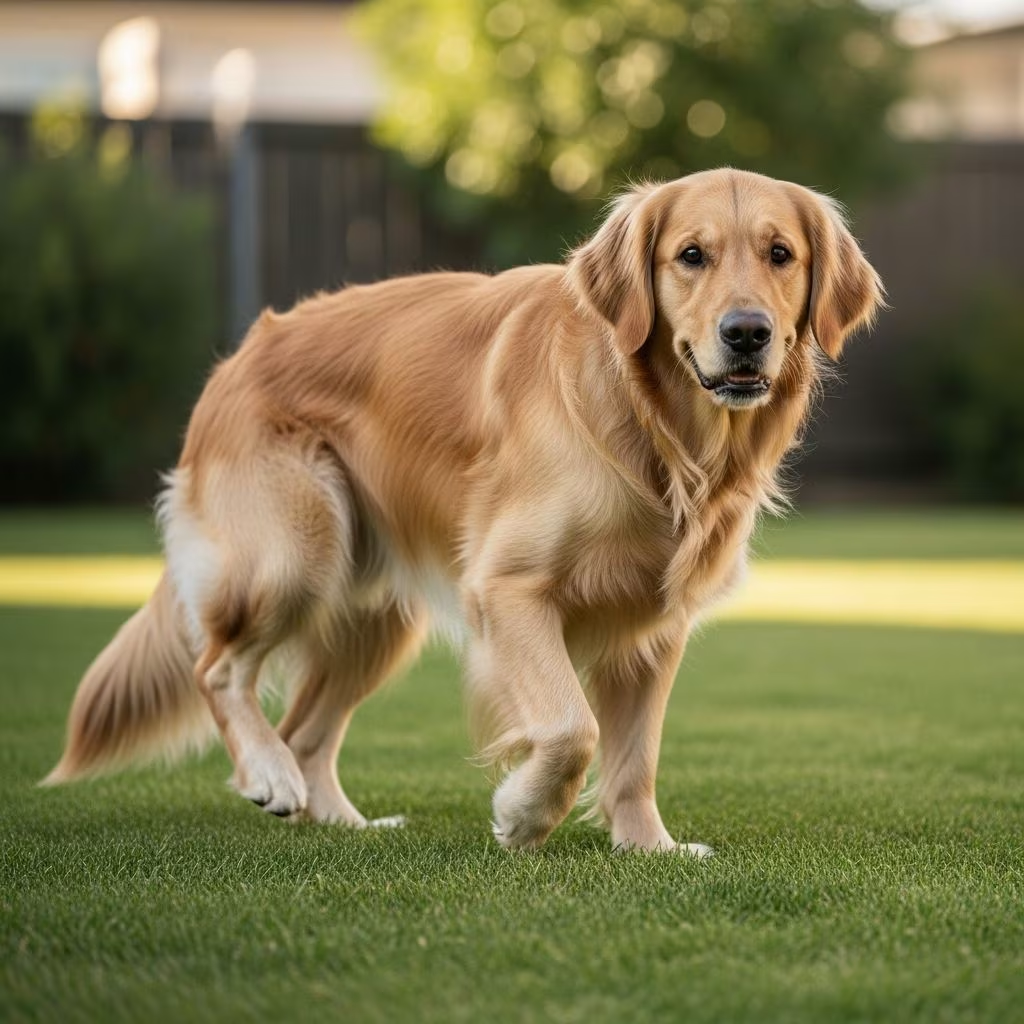
Ataxia in dogs manifests as a lack of coordination and unsteady movements due to disruptions in the nervous system, affecting the brain, spinal cord, or sensory pathways. This condition requires prompt veterinary evaluation to identify underlying issues and implement targeted care.
Defining Ataxia and Its Impact on Canine Mobility
Ataxia describes abnormal gait, balance problems, and involuntary movements stemming from neurological dysfunction. Dogs may stumble, sway, or fall, impacting their daily activities like walking or playing. Unlike simple weakness, ataxia specifically involves poor proprioception, where dogs struggle to sense limb positions.
The severity varies; mild cases might show subtle wobbling, while severe ones leave dogs unable to stand. Early detection enhances recovery chances, as many causes are treatable if addressed quickly.
Primary Types of Ataxia in Canines
Canine ataxia classifies into three main types based on the affected neurological area: vestibular, cerebellar, and proprioceptive. Each presents distinct symptoms and origins, guiding diagnosis.
- Vestibular Ataxia: Involves the inner ear or brainstem, crucial for balance. Dogs often tilt heads, circle, or show rapid eye flicking called nystagmus.
- Cerebellar Ataxia: Affects the cerebellum, which fine-tunes movements. Symptoms include intention tremors, wide-based stance, and hypermetria (exaggerated steps).
- Proprioceptive Ataxia: Results from spinal cord or peripheral nerve issues, causing dragging limbs or crossing legs due to faulty position sense.
| Type | Key Affected Area | Hallmark Signs |
|---|---|---|
| Vestibular | Inner ear/brainstem | Head tilt, circling, nystagmus, nausea |
| Cerebellar | Cerebellum | Tremors, staggering, overreaching steps |
| Proprioceptive | Spinal cord/nerves | Leg crossing, knuckling, weakness |
Common Triggers Behind Ataxia Development
Numerous factors provoke ataxia, from infections to congenital flaws. Identifying the root is essential for effective intervention.
Infectious and Inflammatory Culprits
Viruses like canine distemper target the nervous system, causing inflammation. Bacterial or fungal ear infections disrupt vestibular function, while encephalitis inflames brain tissue.
Trauma and Structural Damage
Head injuries, spinal disc herniation, or tumors compress neural pathways. Intervertebral disc disease degenerates spinal cushions, leading to proprioceptive deficits.
Metabolic and Toxic Influences
Hypothyroidism slows metabolism, affecting nerves. Toxins such as antifreeze (ethylene glycol) or rodenticides damage the brain. Medication overdoses, notably metronidazole, induce cerebellar symptoms. Nutritional lacks, like thiamine deficiency, or electrolyte imbalances (low potassium, glucose) also contribute.
Age-Related and Genetic Factors
Older dogs face idiopathic vestibular disease, often resolving spontaneously. Puppies may have congenital cerebellar hypoplasia or liver shunts from birth defects.
- Distemper virus
- Ear infections
- Disc disease
- Toxins (e.g., ethylene glycol)
- Hypothyroidism
- Tumors
Observing Symptoms: When to Worry
Watch for sudden or progressive signs: swaying gait, reluctance to move, falling to one side, or vomiting from vertigo. Vestibular cases often include drooling and eye oscillations; cerebellar ones show shaky head bobbing.
Acute onset suggests stroke, toxin, or trauma; gradual worsening points to tumors or degeneration. Accompanying vomiting, seizures, or pain warrants emergency care.
Diagnostic Approaches for Accurate Identification
Vets start with a neurological exam assessing gait, reflexes, and posture to localize the lesion. Blood tests check for infections, metabolic issues, or toxins.
Imaging like MRI or CT scans reveal tumors, inflammation, or structural anomalies. CSF analysis detects infections; ear exams or thyroid panels target specific suspects.
- Physical and neuro exam
- Bloodwork, urinalysis
- Radiographs, ultrasound
- Advanced MRI/CT
- CSF tap if needed
Treatment Strategies Tailored to the Cause
No universal cure exists; management hinges on the trigger. Supportive care like IV fluids, anti-nausea drugs (e.g., maropitant), and pain relief (gabapentin) stabilizes patients.
Medical Interventions
Antibiotics (clindamycin) combat infections; antifungals (itraconazole) fungal issues. Anti-inflammatories like prednisone reduce swelling. Hypothyroidism responds to levothyroxine.
Surgical and Advanced Options
Disc herniations or tumors may need surgery. Chemo/radiation for cancers. Toxin cases require decontamination and antidotes.
Rehabilitation and Supportive Therapies
Physical therapy builds strength; balance exercises aid recovery. Restrict activity initially, then gradually increase. Nutritional supplements correct deficiencies.
Prognosis varies: infections often resolve fully; degenerative cases progress, sometimes necessitating euthanasia.
Home Management for Dogs with Ataxia
Create a safe environment: remove rugs, block stairs, use harnesses over collars. Non-slip flooring and raised bowls help. Monitor for worsening; assist with eating if needed.
- Install baby gates
- Use supportive slings for walks
- Provide soft bedding
- Avoid swimming unsupervised
Preventive Measures and Long-Term Outlook
Vaccinate against distemper; control ear infections promptly. Avoid toxins; regular checkups catch metabolic issues early. Breeds prone to genetics (e.g., malformations) benefit from screening.
Many dogs adapt well with care, maintaining good life quality. Regular vet follow-ups track progress.
Frequently Asked Questions (FAQs)
Is ataxia in dogs always permanent?
No, many cases resolve with treatment of underlying causes like infections or toxins, though some degenerative types progress.
Can ataxia develop suddenly?
Yes, acute onset from strokes, trauma, or vestibular disease is common, requiring immediate vet attention.
What home remedies help ataxia?
Supportive care like safe spaces and gentle exercise, but never skip professional diagnosis.
Which breeds are prone to ataxia?
Any, but congenital forms affect breeds with cerebellar issues; older dogs face idiopathic vestibular.
Does diet influence ataxia recovery?
Yes, correcting deficiencies (thiamine, electrolytes) aids healing.
References
- Ataxia in Dogs: What It Is, Symptoms, and Treatment — PetMD. 2023. https://www.petmd.com/dog/conditions/neurological/ataxia-dogs
- Treatment of ataxia in dogs — Vetster. 2024. https://vetster.com/en/wellness/treatment-of-ataxia-in-dogs
- Ataxia in Dogs: Causes, Symptoms, and Treatment — Pawlicy Advisor. 2023. https://www.pawlicy.com/blog/ataxia-in-dogs/
- Ataxia in Dogs — VCA Animal Hospitals. 2024. https://vcahospitals.com/know-your-pet/ataxia-in-dogs
- Ataxia in Dogs: Types, Symptoms & Treatment — Hill’s Pet. 2023. https://www.hillspet.com/dog-care/healthcare/understanding-ataxia-in-dogs
- Understanding ataxia in dogs: symptoms, causes and treatment — Willow Glen Pet Hospital. 2024. https://willowglenpethospital.com/what-is-ataxia-in-dogs/



