

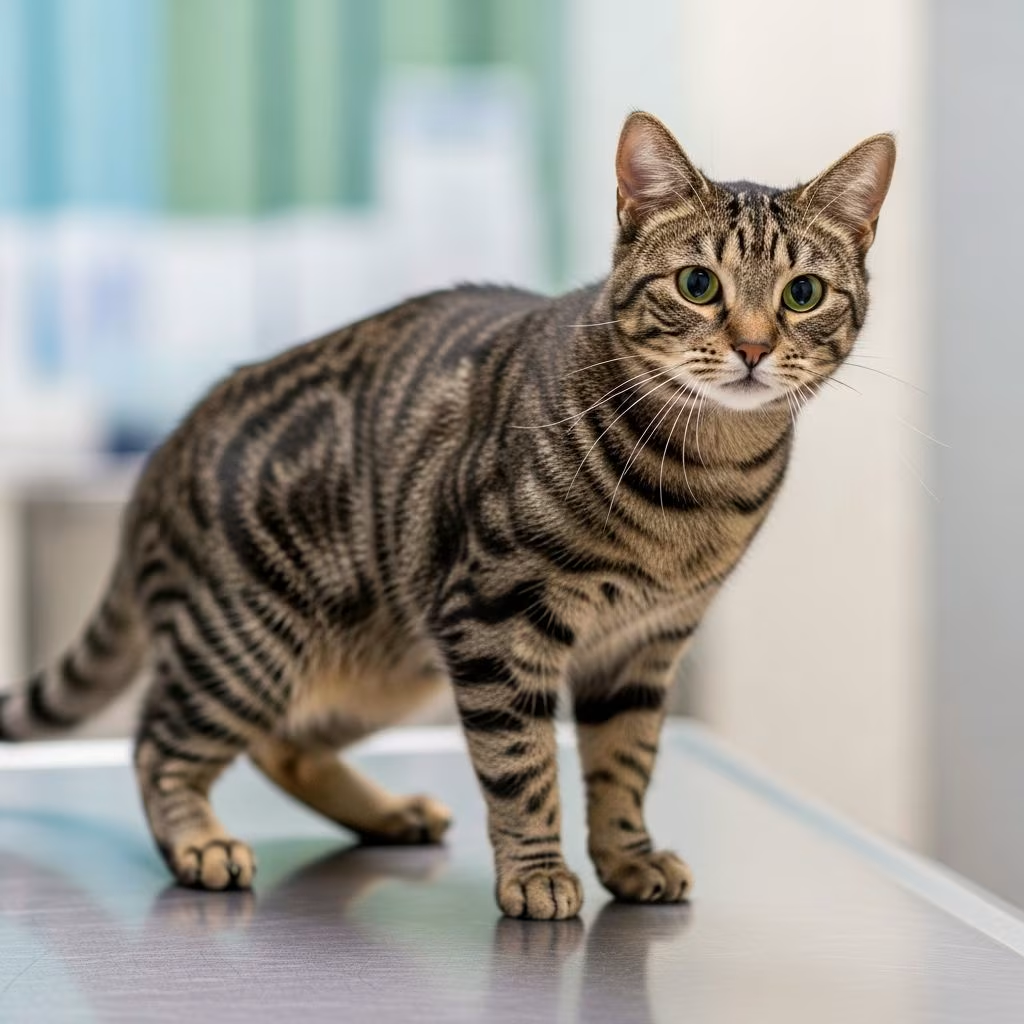
Understanding Ataxia in Cats
Ataxia in cats is a neurological condition characterized by a lack of coordination, unsteadiness, and difficulty with voluntary movement. The term “ataxia” describes incoordination, wobbliness, or unsteadiness due to a failure to regulate body posture and the strength and direction of limb movements. This condition is not a disease in itself but rather a clinical sign of an underlying neurological disorder affecting the brain, spinal cord, or inner ear system.
Cats experiencing ataxia may appear drunk or disoriented, with movements that lack their normal precision and control. While this condition can be concerning for pet owners, understanding its causes and seeking prompt veterinary care can help determine the best course of action for your feline companion.
What Causes Ataxia in Cats?
Ataxia in cats can stem from multiple sources within the nervous system. Veterinarians classify ataxia into three main categories based on the location of the neurological problem: spinal (sensory) ataxia, vestibular ataxia, and cerebellar ataxia. Each type has distinct causes and characteristics.
Spinal or Sensory Ataxia
Sensory ataxia originates from problems affecting the spinal cord and the proprioceptive pathways that help cats understand their body’s position in space. When these neural pathways are disrupted, cats lose their sense of where their limbs are located, leading to characteristic gait abnormalities. Common causes of sensory ataxia include:
- Inflammation of the spinal cord
- Trauma to the spinal cord
- Instability in the spine causing pressure on the spinal cord
- Narrowing of the spinal canal that protects the spinal cord
- Intervertebral disc disease and bulging discs
- Spinal tumors
- Spinal stroke
- Bacterial infections affecting the spine
- Metabolic disorders
- Toxin exposure
Cats with sensory ataxia may knuckle over, place their feet strangely, or even drag their affected legs. This type of ataxia often presents with an exaggerated or high-stepping gait as the cat attempts to compensate for lost proprioceptive awareness.
Vestibular Ataxia
Vestibular ataxia occurs due to disturbances in the inner ear or the brainstem structures that control balance and spatial orientation. The vestibular system is responsible for maintaining equilibrium and coordinating head and eye movements. When this system malfunctions, cats experience vertigo-like sensations and loss of balance. Vestibular causes of ataxia can be subdivided into inner ear and brainstem origins:
Inner Ear Origins:
- Middle or inner ear infections, including bacterial and fungal infections
- Geriatric vestibular disease, in which the precise cause may never be identified (also called “idiopathic”)
- Tumors in the ear or skull
- Trauma to the head or ear
- Nasal cavity or soft palate polyps
- Bone cancer near vestibular nerves
- Congenital vestibular disorders
Brainstem Origins:
- Infection, such as feline distemper virus
- Inflammation of the brainstem tissue
- Thiamine (Vitamin B1) deficiency, though this is uncommon with modern nutritional products
- Metronidazole antibiotic toxicity
- Exposure to other toxins
Cats with sudden onset vestibular ataxia often experience significant nausea, rolling, or falling to one side due to feeling unsteady on their feet. These cats may tilt their heads persistently or experience difficulty hearing. However, those with chronic vestibular disease typically adjust over time and are less likely to experience severe nausea.
Cerebellar Ataxia
The third source of ataxia is localized to the cerebellum, the part of the brain where fine motor movement is coordinated. Cerebellar ataxia presents with distinctive clinical signs: affected cats often look normal at rest, but when they start to move, their limb movements become quite exaggerated. These cats typically also develop head tremors and show marked incoordination during movement. Common causes of cerebellar ataxia include:
- Degenerative changes in the cerebellum
- Cerebellar hypoplasia (underdevelopment of the cerebellum)
- Structural abnormalities or malformation of the cerebellum or surrounding skull
- Brain tumors
- Infection or inflammation in the brain
- Feline infectious peritonitis (FIP)
- Viral infections such as feline distemper
- Parasitic infections like toxoplasmosis
- Metronidazole antibiotic toxicity
- Genetic defects
- Exposure to toxins before birth
- Meningitis or encephalitis
Miscellaneous Causes
Beyond the three primary neuroanatomical categories, other systemic conditions can produce ataxia symptoms:
- A red blood cell count that is too low or too high
- Low levels of potassium, calcium, or glucose (blood sugar)
- Heart or circulation disorders
- Respiratory diseases
- Vitamin E deficiency
- Diabetes
- Stroke or bleeding in the brain
- Medication reactions
Clinical Signs and Symptoms
The symptoms of ataxia in cats vary depending on the type and severity of the underlying condition. Common clinical signs include:
- Staggering or stumbling gait
- Falling over or difficulty maintaining balance
- Abnormal walking patterns, such as taking exaggerated or high steps
- Swaying or wavering movements
- Head tremors or body tremors
- Head tilting or abnormal head positioning
- Nausea or vomiting
- Loss of appetite
- Difficulty hearing or hearing loss
- Changes in behavior or lethargy
- Weakness in limbs
- Rolling or falling to one side
It is crucial to distinguish between sudden onset ataxia and chronic ataxia. Cats with sudden onset ataxia often experience severe symptoms and may represent life-threatening conditions requiring immediate veterinary intervention. Conversely, chronic ataxia builds in severity gradually over time and is typically related to chronic diseases affecting the nervous system.
Diagnosis of Ataxia
Diagnosing the underlying cause of ataxia requires a comprehensive veterinary evaluation. Your veterinarian will begin with a thorough physical and neurological examination to determine the type of ataxia and narrow down the differential diagnoses. The diagnostic process typically includes:
- Physical Examination: Assessment of overall health, vital signs, and general neurological function
- Neurological Examination: Detailed evaluation of cranial nerves, gait, reflexes, and postural responses to identify the location of the neurological lesion
- Bloodwork: Complete blood count and biochemistry panel to evaluate red blood cell counts, electrolyte levels (potassium, calcium), blood glucose, and organ function
- Diagnostic Imaging: X-rays or advanced imaging such as MRI or CT scans to visualize the brain, spinal cord, and surrounding structures
- Specialized Testing: Cerebrospinal fluid analysis, infectious disease testing (FIP, toxoplasmosis, feline distemper), or other targeted tests based on clinical suspicion
An accurate neuroanatomical diagnosis is essential because the type of ataxia will determine which diagnostic procedures are most appropriate and which differential diagnoses should be prioritized. The cat’s age, signalment, clinical presentation, and disease progression will further refine the diagnostic approach.
Treatment Options for Feline Ataxia
Treatment of ataxia is influenced by the root cause of the neurological dysfunction. There is no single treatment approach, as management varies significantly depending on the underlying diagnosis. General therapeutic principles include pain management, supportive care, environmental modifications, and addressing the primary condition.
Symptomatic and Supportive Care
Regardless of the underlying cause, most cats with ataxia benefit from supportive care measures:
- Pain Management: Appropriate analgesics to manage any pain associated with the underlying condition
- Anti-nausea Medications: Medications such as maropitant to manage nausea and vomiting, particularly in cats with vestibular disease
- Environmental Safety: Modifications to prevent access to stairs, heights, or other hazards where the cat could fall and injure itself
- Accessible Resources: Ensuring food, water, and litter boxes are easily accessible and close to resting areas
- Regular Reassessment: Scheduled veterinary follow-ups to monitor progress and adjust treatment as needed
Condition-Specific Treatments
Specific treatment depends on the identified underlying cause. Cats with ataxia due to infection may receive appropriate antibiotics, antifungals, or anti-parasitic drugs depending on the pathogen involved. For instance, cats with ear infections leading to vestibular signs may require topical or systemic antimicrobial therapy. Some cases of ataxia can resolve over time with rest and supportive care, such as spontaneous vestibular disease in senior cats.
Cats experiencing ataxia due to intervertebral disc disease may require surgical intervention to decompress the spinal cord, while others may respond to medical management with corticosteroids and strict rest if the disc is only bulging rather than fully extruded. Metabolic causes such as low blood glucose or electrolyte imbalances can often be corrected with appropriate supplementation and dietary management.
Prognosis and Long-term Management
The prognosis for ataxia depends entirely on the underlying cause. Some causes of ataxia cannot be cured, and these cats typically experience clinical signs that progress over time and may eventually result in the need for euthanasia. Conditions such as cerebellar hypoplasia, genetic neurological disorders, and progressive neurodegenerative diseases generally have a poor prognosis.
Conversely, ataxia caused by treatable infections or metabolic disorders may completely resolve with appropriate therapy. The timeline for improvement can range from days to weeks, depending on the condition. Cats with chronic, non-progressive ataxia may maintain a good quality of life with environmental accommodations and supportive care, allowing them to live comfortably despite their neurological deficits.
When to Seek Emergency Veterinary Care
Cats that suddenly develop ataxia require immediate veterinary care, as sudden ataxia may be linked to life-threatening conditions such as stroke, bleeding in the brain, severe infections, or acute spinal trauma. Any sudden change in your cat’s balance, coordination, or ability to walk warrants prompt professional evaluation. Even if the underlying cause proves to be benign, early intervention can help identify treatable conditions before they progress.
Cats with chronic ataxia should receive frequent follow-up veterinary care to monitor for any changes that indicate disease progression or deterioration in quality of life.
Frequently Asked Questions About Feline Ataxia
Q: Is ataxia common in cats?
A: Ataxia is relatively rare in cats, though it represents one of the more common neurological presentations identified in feline veterinary practice. It has a wide range of possible causes with equally varied prognoses.
Q: Can ataxia be cured?
A: Whether ataxia can be cured depends on its underlying cause. Ataxia caused by spinal cord inflammation or treatable infections can potentially be resolved completely. However, ataxia caused by certain cancers, genetic disorders, or progressive degenerative diseases may not have a cure. If the cause is an infection that can be treated quickly, ataxia may resolve in just a few days. If caused by a developmental disorder, a cat may live with ataxia for their entire life.
Q: What should I do if my cat suddenly develops ataxia?
A: Contact your veterinarian immediately for emergency care. Sudden onset ataxia can indicate serious, life-threatening conditions that require prompt diagnosis and treatment. Do not delay seeking professional evaluation.
Q: Can I help my cat at home if they have ataxia?
A: While professional veterinary care is essential, you can support your cat by making your home safe. Remove access to stairs, heights, and other hazards. Keep food, water, and litter boxes accessible. Follow your veterinarian’s recommendations for medications and supportive care. However, there are no home remedies or treatments that replace proper veterinary diagnosis and management.
Q: How long does it take for a cat to recover from ataxia?
A: Recovery time varies greatly depending on the underlying cause. Some cats recover in days if treated for a treatable infection, while others may improve gradually over weeks or months. Some cats may never fully recover but can adjust and maintain quality of life with appropriate management.
Q: What is the difference between acute and chronic ataxia?
A: Acute or sudden onset ataxia appears rapidly and may indicate life-threatening conditions requiring emergency care. Chronic ataxia develops gradually over time and is typically associated with progressive diseases. Cats with chronic ataxia often adjust over time and may experience fewer symptoms like nausea compared to acute cases.
References
- Ataxia in Cats — VCA Animal Hospitals. 2025. https://vcahospitals.com/know-your-pet/ataxia-in-cats
- The Wobbly Cat: Diagnostic and Therapeutic Approach to Feline Ataxia — National Center for Biotechnology Information (PubMed Central). 2020. https://pmc.ncbi.nlm.nih.gov/articles/PMC7128653/
- Ataxia in Cats: Causes and When To Worry — PetMD. 2025. https://www.petmd.com/cat/symptoms/ataxia-in-cats
- Irregular Gait/Difficulty Walking (Ataxia) in Cats — Vetster. 2025. https://vetster.com/en/symptoms/cat/difficulty-walking-ataxia-cats
- My Pet Can’t Stand & Keeps Falling – Possible Causes & What to Do — Madison Park Veterinary Hospital. 2024. https://www.madisonparkvet.com/site/blog/2024/02/29/pet-falling



