

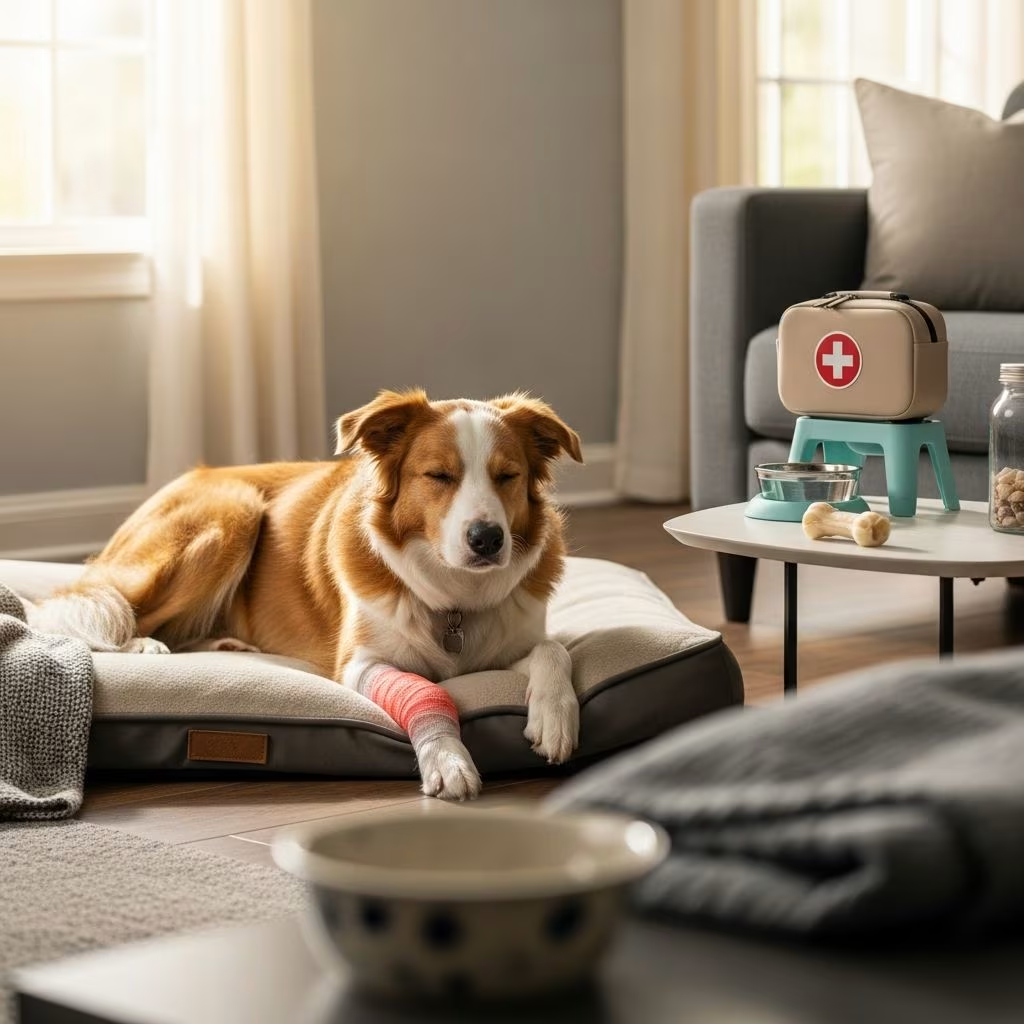
Active dogs participating in sports like agility, hunting, or herding often face injuries from strains, sprains, or overuse. Home care plays a vital role in their recovery, allowing pet owners to support healing through targeted exercises, therapies, and rest protocols. This approach complements veterinary treatment, promoting faster return to activity while minimizing pain and preventing re-injury.
Understanding Common Sports Injuries in Dogs
Dogs engaged in high-impact activities are prone to specific injuries affecting muscles, tendons, ligaments, and joints. Soft tissue damage, such as strains in the shoulders or hips, occurs frequently in agility competitors. Ligament tears, like those in the cranial cruciate ligament (CCL), and tendon issues in the biceps or carpus are common in sporting breeds. Back injuries from twisting motions and elbow or hip dysplasia exacerbate problems in working dogs. Early recognition of limping, reluctance to jump, or swelling enables timely intervention.
These injuries stem from repetitive stress, poor conditioning, or sudden trauma. Sporting dogs endure immense physical demands, leading to inflammation, muscle atrophy, and reduced mobility if not addressed promptly.
Initial Assessment and When to Seek Professional Help
Before starting home care, evaluate your dog’s condition. Check for heat, swelling, or pain on palpation. Note changes in gait, weight-bearing, or appetite. Consult a veterinarian immediately for severe limping, open wounds, or neurological signs like dragging limbs. Diagnostic tools like X-rays or ultrasounds may be needed to rule out fractures or tears.
Rest is the first step: confine your dog to a crate or small area for 48-72 hours post-injury to reduce inflammation. Use ice packs wrapped in cloth for 10-15 minutes, 3-4 times daily, avoiding direct skin contact. Transition to professional rehab if symptoms persist beyond a week.
Essential Home Therapies for Pain and Inflammation Relief
Simple therapies replicate clinical treatments, aiding recovery at home. Cold therapy constricts blood vessels to curb swelling, applied in the acute phase (first 72 hours). Alternate with heat after inflammation subsides to boost circulation and relax tissues.
- Cryotherapy: Use gel packs or frozen peas for 10-minute sessions.
- Thermotherapy: Warm towels or heating pads on low for 15 minutes, twice daily.
- Laser-like effects: Red light devices mimic photobiomodulation to reduce pain and promote healing, used 5-10 minutes per session.
Pulsed electromagnetic field (PEMF) mats, available for home use, target cellular inflammation. Frequency-specific microcurrent (FSM) devices enhance tissue repair when combined with PEMF. Always follow device instructions and vet guidance.
Building Strength with Targeted Exercises
Exercises restore muscle mass, balance, and proprioception lost during downtime. Start slow, 5-10 minutes daily, increasing as tolerated. Supervise to prevent overexertion.
| Exercise | Target Area | How to Perform | Reps/Sets |
|---|---|---|---|
| Sit-to-Stand | Hindlimbs | Lure dog from sit to stand using treats; assist if needed. | 10 reps, 2-3 sets |
| Weight Shifting | Core/Balance | Gently rock hips side-to-side while standing. | 30 seconds, 3 sets |
| Balance on Wobble Board | Proprioception | Stand dog on cushioned surface; hold for stability. | 20-30 seconds, 2 sets |
| Passive Range of Motion (PROM) | Joints | Flex/extend limb gently without force. | 10 reps per joint, twice daily |
| Weaves/Cavaletti Poles | Coordination | Set up poles or bottles; walk dog through slowly. | 5 passes, 1-2 sets |
These build hindlimb strength, crucial for seniors or post-surgical dogs, improving stair navigation and preventing atrophy. For neurological issues, emphasize balance drills.
Massage and Stretching Techniques for Flexibility
Manual therapies release tension and improve circulation. Begin with light effleurage strokes along the affected muscle, progressing to kneading for spasms. Myofascial release uses sustained pressure on tight fascia.
- Effleurage: Long, gliding strokes to warm tissues, 5 minutes.
- Trigger Point Massage: Circular pressure on knots for 30 seconds each.
- Stretching: Gently extend limbs to end-range hold for 20-30 seconds, 3-5 reps.
These reduce stiffness, enhance flexibility, and lower re-injury risk. Combine with PROM for arthritic joints.
Hydrotherapy Options You Can Replicate at Home
Water supports weight, reducing joint stress while building muscle. Underwater treadmills are ideal, but home pools or baths suffice. Walk in chest-deep water for 10-15 minutes, 3 times weekly. Add resistance with floatation vests for advanced sessions.
Benefits include pain relief, cardiovascular fitness, and proprioceptive training without high impact. Progress to swimming laps as strength returns.
Nutrition and Supplements to Support Healing
Diet fuels repair. High-protein foods (25-30% protein) with omega-3s from fish oil combat inflammation. Antioxidants in berries and greens aid tissue regeneration.
- Glucosamine/chondroitin for joint health.
- Collagen peptides for tendon strength.
- Turmeric or boswellia for natural anti-inflammatory effects.
Consult a vet for dosing, especially post-surgery. Hydration is key; ensure constant fresh water access.
Creating a Structured Rehabilitation Timeline
A phased plan ensures safe progression.
- Weeks 1-2: Strict rest, ice/heat, PROM.
- Weeks 3-6: Introduce sits/stands, short walks, massage.
- Weeks 7-12: Balance work, hydro, strengthening.
- Weeks 13+: Sport-specific drills, conditioning.
Monitor weekly; adjust based on tolerance. Reassess with vet at milestones.
Preventing Future Injuries in Athletic Dogs
Conditioning averts setbacks. Warm-ups before activity, proper warm-downs, and cross-training build resilience. Maintain ideal weight to lessen joint load. Regular check-ups catch issues early.
- Core workouts weekly.
- Varied terrain walks for proprioception.
- Rest days to avoid overuse.
FAQs
How often should I do home exercises?
2-3 times daily for short sessions, building to 20-30 minutes as tolerated. Watch for fatigue.
Is hydrotherapy safe for all dogs?
Yes for most, but avoid if open wounds or respiratory issues exist. Start supervised.
Can puppies do rehab exercises?
Gentle versions yes, but focus on play-based to avoid growth plate damage.
What if my dog resists exercises?
Use high-value treats, keep fun, and progress slowly. Pain may indicate vet review.
How to know recovery is complete?
Symmetric gait, full range of motion, pain-free activity. Vet clearance recommended.
Home care empowers owners to actively participate in their dog’s athletic life, fostering stronger bonds and sustained performance.
References
- The Importance of Homecare for Dogs with Orthopedic Conditions — RehabVet. Accessed 2026. https://rehabvet.com/canine-dogs-cats-rehabilitation/homecare-dogs-orthopedic-conditions/
- Pet Rehabilitation Therapy | In-Home Dog & Cat Recovery — Holistic Vet NY. Accessed 2026. https://www.holisticvetny.com/pet-rehab
- Non-Surgical Management of Sporting Dog Injuries — PulseVet, Zomedica. Accessed 2026. https://pulsevet.zomedica.com/non-surgical-management-sporting-dogs/
- Canine Physical Therapy Exercises You Can Do at Home — TPLO Info. Accessed 2026. https://tploinfo.com/blog/canine-physical-therapy-exercises-you-can-do-at-home/
- At-Home Rehab Exercises for Dog Hindlimbs — WoofDoctor. Accessed 2026. https://www.woofdoctor.vet/hindlimb-exercises/



