
Astrovirus In Poultry: Diagnosis, Management, And Biosecurity
Exploring the impact of astrovirus on poultry health, from symptoms to advanced management strategies for optimal flock performance.
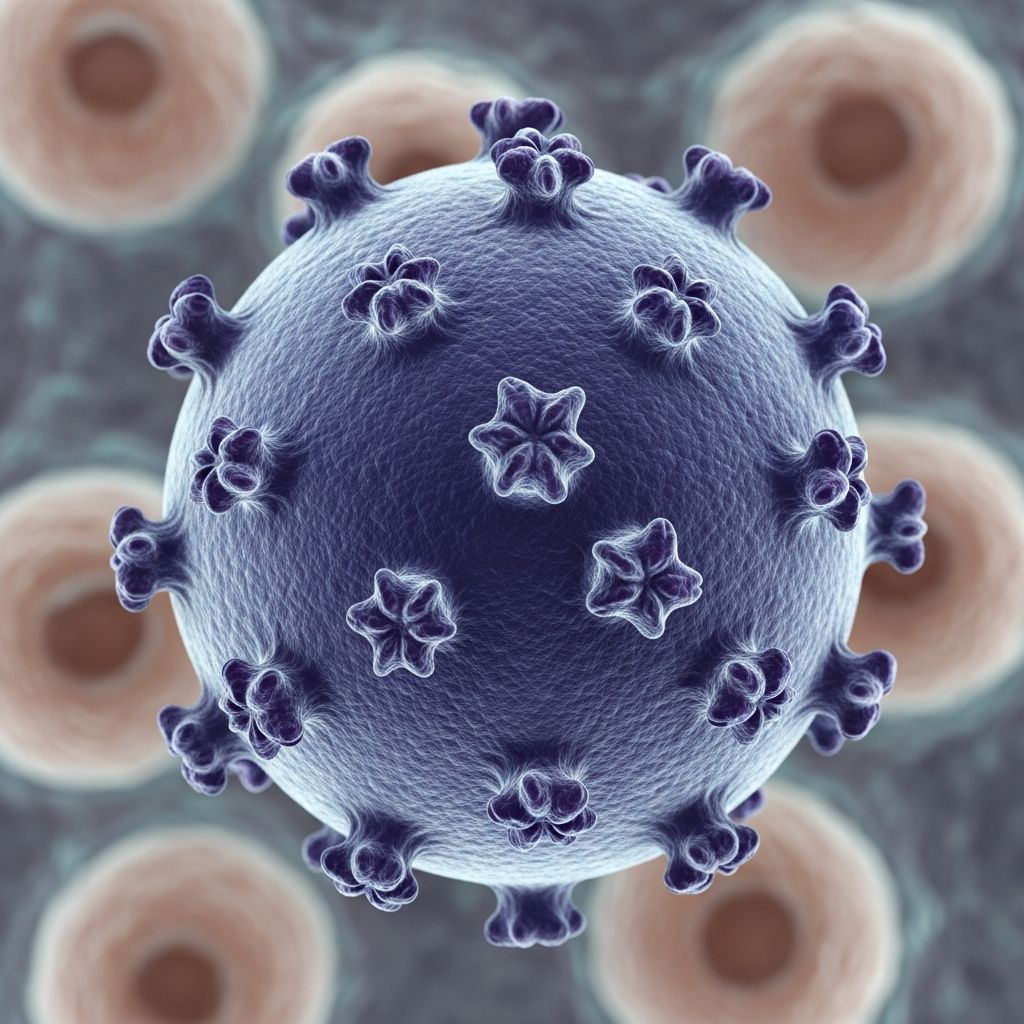
Astrovirus infections represent a significant challenge in poultry production, primarily targeting the gastrointestinal system and leading to reduced growth rates and increased mortality in young birds. These small, non-enveloped RNA viruses are ubiquitous in poultry environments and often contribute to complex enteric diseases.
Understanding Astrovirus Biology and Transmission
Astroviruses belong to the family Astroviridae, characterized by their star-shaped viral particles visible under electron microscopy. In poultry, multiple serotypes exist, with strains specific to chickens, turkeys, ducks, and other avian species. These viruses replicate primarily in the intestinal epithelial cells, disrupting nutrient absorption and triggering inflammatory responses.
- Transmission occurs primarily through the fecal-oral route, facilitated by contaminated litter, water, feed, and equipment.
- Vertical transmission via eggs is rare but possible in some cases, particularly in breeder flocks.
- Wild birds and rodents serve as potential reservoirs, introducing the virus into commercial operations.
Once introduced, astroviruses spread rapidly within a flock due to high viral shedding in feces, which can persist in the environment for weeks under favorable conditions.
Clinical Manifestations in Different Poultry Species
Young birds, especially those under 3 weeks of age, are most susceptible, exhibiting symptoms that mimic other enteric pathogens. In broilers and turkey poults, infections often coincide with peak growth phases, exacerbating economic losses.
| Poultry Type | Age Affected | Key Symptoms |
|---|---|---|
| Chickens | 1-4 weeks | Watery diarrhea, lethargy, poor weight gain |
| Turkeys | 1-3 weeks | Yellow droppings, dehydration, stunted growth |
| Ducks | 2-5 weeks | Mild diarrhea, reduced feed intake |
In layers and breeders, subclinical infections may lead to decreased egg production and hatchability without overt diarrhea. Secondary bacterial invasions, such as E. coli or Salmonella, frequently complicate astrovirus cases, amplifying mortality rates.
Pathological Changes and Disease Mechanisms
Gross pathology reveals distended intestines filled with watery or frothy contents, particularly in the duodenum and jejunum. The ceca may appear gas-filled and inflamed. Microscopically, villous atrophy, crypt hyperplasia, and loss of microvilli impair digestive efficiency.
- Enterocyte damage leads to malabsorption of proteins, fats, and carbohydrates.
- Inflammatory cell infiltration in the lamina propria contributes to prolonged recovery periods.
- In severe cases, bursal atrophy mirrors changes seen in other immunosuppressive viruses.
These alterations create a vicious cycle of malnutrition, weakened immunity, and heightened susceptibility to opportunistic pathogens.
Diagnostic Approaches for Accurate Identification
Diagnosis relies on a combination of clinical history, necropsy findings, and laboratory confirmation. Electron microscopy of fecal samples reveals characteristic star-like particles, while molecular methods provide higher sensitivity.
- RT-PCR assays detect viral RNA in cloacal swabs, intestines, or feces with serotype-specific primers.
- ELISA tests for astrovirus antibodies in serum help assess flock exposure levels.
- Virus isolation in cell culture or embryonated eggs, though labor-intensive, confirms infectivity.
Differentiating astrovirus from rotavirus or coronavirus requires multiplex PCR panels, as co-infections are common in runting-stunting syndromes.
Management Strategies Without Specific Antivirals
No licensed vaccines or antiviral drugs exist for astrovirus in poultry, shifting focus to supportive care and environmental control. Antimicrobials target secondary bacterial infections, reducing mortality by 20-50% in outbreaks.
- Electrolyte supplementation in drinking water combats dehydration.
- Increased brooding temperatures (2-3°C above normal) support weak chicks.
- Feed medication with broad-spectrum antibiotics like tetracyclines for 5-7 days.
Probiotics and prebiotics may aid gut recovery by promoting beneficial microbiota, though evidence in astrovirus cases remains anecdotal.
Biosecurity Protocols to Prevent Introduction
Robust biosecurity forms the cornerstone of astrovirus control, minimizing external viral incursions and internal amplification.
| Protocol | Implementation Tips |
|---|---|
| All-in-All-out Production | Empty houses completely between batches; allow 3-4 weeks downtime for disinfection. |
| Footwear and Vehicle Control | Footbaths with virucidal agents (e.g., quaternary ammonium); dedicated farm vehicles. |
| Wildlife Exclusion | Netting over openings; rodent bait stations; avoid free-range near wetlands. |
| Water and Feed Quality | Chlorination of water sources; mold-free feed storage. |
Visitor logs, down-time quarantine for new stock, and routine environmental swabbing enhance early detection.
Impact on Poultry Industry Economics
Astrovirus outbreaks depress feed efficiency by 10-20%, translating to substantial losses in meat yield and uniformity. In breeders, a 5-10% drop in egg production compounds costs through delayed placements and culling.
Global surveys indicate astrovirus prevalence exceeds 50% in some regions, underscoring the need for integrated health programs. Monitoring growth curves and fecal consistency serves as practical flock-level indicators.
Emerging Research and Future Directions
Ongoing studies explore recombinant vaccines using capsid proteins and maternal antibody transfer via breeder immunization. Genomic sequencing reveals strain evolution, informing surveillance networks.
Metagenomic analyses highlight astrovirus roles in polymicrobial enteritis, paving the way for broad-spectrum interventions like bacteriophage cocktails against secondary invaders.
FAQs on Astrovirus in Poultry
What is the most common age for astrovirus outbreaks?
Primarily affects birds under 4 weeks, coinciding with immature immunity and high stocking densities.
Can astrovirus be treated with antibiotics?
Antibiotics manage secondary bacteria but do not affect the virus; supportive care is essential.
How long does viral shedding last?
Infected birds shed for 7-14 days post-infection, longer in survivors.
Is vaccination available?
No commercial vaccines yet; research focuses on autogenous products for high-risk farms.
How to differentiate from other diarrheas?
Laboratory PCR panels distinguish astrovirus from rotavirus, coronavirus, and bacterial causes.
References
- Overview of Viral Enteritis in Poultry — Merck Veterinary Manual. 2023-01-15. https://www.merckvetmanual.com/poultry/viral-enteritis-in-poultry/overview-of-viral-enteritis-in-poultry
- Coronaviral Enteritis of Turkeys — Merck Veterinary Manual. 2023-05-20. https://www.merckvetmanual.com/poultry/viral-enteritis-in-poultry/coronaviral-enteritis-of-turkeys
- Common Poultry Diseases — University of Florida IFAS Extension. 2022-11-10. https://edis.ifas.ufl.edu/publication/PS044
- Enteritis — National Center for Biotechnology Information (PMC). 2020-04-01. https://pmc.ncbi.nlm.nih.gov/articles/PMC7152381/
- Viral Enteric Infections – Diseases of Poultry — Wiley Online Library. 2019-10-15. https://onlinelibrary.wiley.com/doi/10.1002/9781119421481.ch12
Similar Articles








Read full bio of Sneha Tete


