

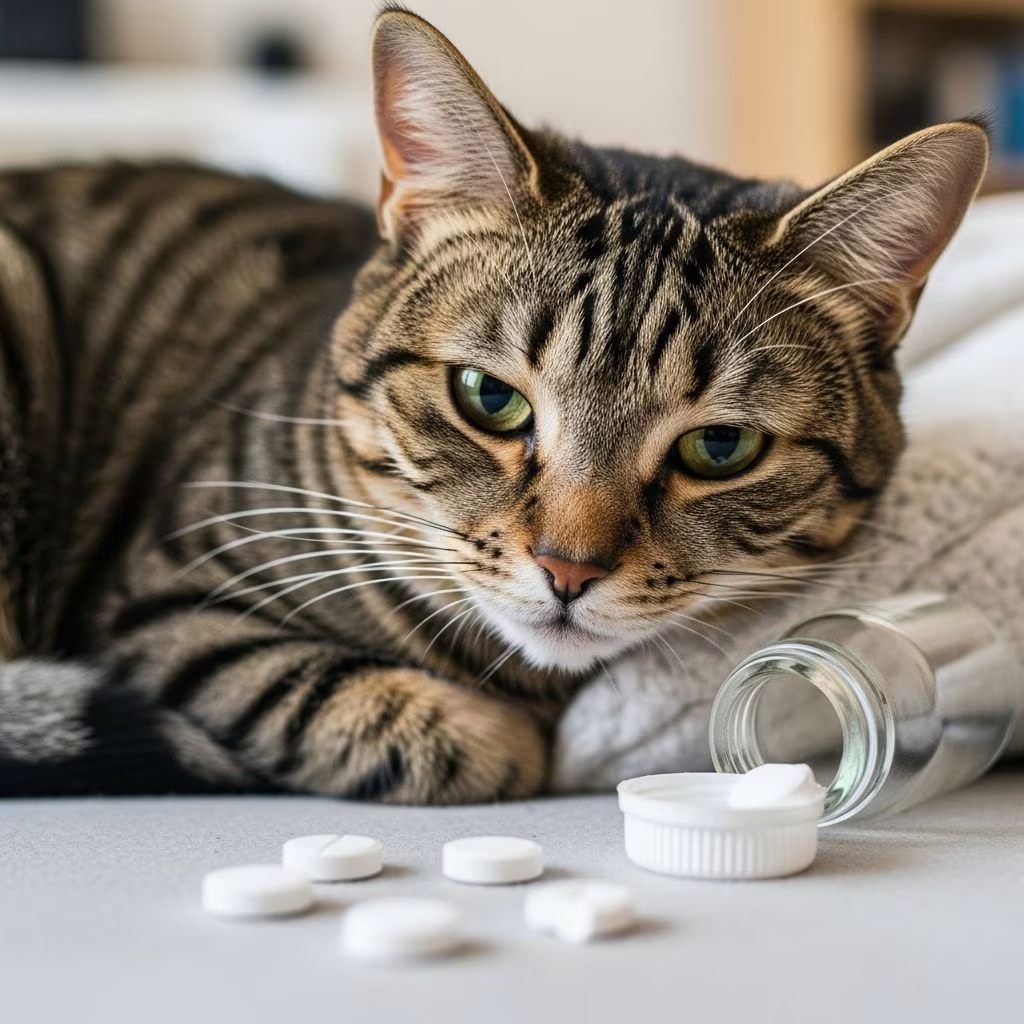
Aspirin, a widely used human pain reliever, represents a significant threat to cats because of their limited ability to metabolize it effectively. Even minimal exposure can trigger life-threatening complications, making awareness crucial for pet owners.
Why Cats Are Uniquely Vulnerable to Aspirin
Cats possess a genetic deficiency in glucuronyl transferase, an enzyme essential for breaking down salicylates found in aspirin. This leads to prolonged drug presence in their system, amplifying toxic effects across multiple organs.
- Metabolic limitation: Slow elimination causes accumulation, unlike in dogs or humans.
- Dosage sensitivity: Therapeutic human doses exceed safe feline limits by factors of 10 or more.
- Common exposure routes: Accidental ingestion from dropped pills, flavored chews, or misguided home remedies.
Household accessibility heightens risks; aspirin lurks in medicine cabinets, often within feline reach. Veterinary data indicates cats suffer heightened sensitivity, with toxicity manifesting rapidly post-ingestion.
Recognizing the Warning Signs of Aspirin Overdose
Symptoms emerge within hours, progressing from mild gastrointestinal distress to severe systemic failure if untreated. Early detection hinges on observing behavioral and physical changes.
| Stage | Symptoms | Timeline |
|---|---|---|
| Early (0-6 hours) | Vomiting, loss of appetite, lethargy, salivation | Initial exposure |
| Moderate (6-24 hours) | Diarrhea, bloody stools, abdominal pain, rapid breathing | Organ involvement |
| Severe (24+ hours) | Weakness, tremors, collapse, seizures, coma | Critical emergency |
Central nervous system impacts include ataxia (uncoordinated movement) and hyperthermia, while blood clotting defects cause internal bleeding. Anemia from red blood cell damage further complicates recovery.
Immediate Actions: What to Do If Exposure Occurs
Do not delay—contact a veterinarian or pet poison hotline instantly upon suspicion. Time is critical; interventions within 12 hours dramatically improve outcomes.
- Prevent further ingestion by isolating the cat from aspirin sources.
- Avoid home emetics; cats risk aspiration pneumonia from improper vomiting induction.
- Transport promptly to an emergency clinic with details on estimated dose and timing.
Providing this history enables targeted diagnostics, including blood panels revealing anemia, electrolyte imbalances, and clotting issues.
Comprehensive Veterinary Treatment Protocols
Treatment prioritizes decontamination, stabilization, and organ protection. Protocols vary by ingestion amount and symptom severity.
- Decontamination: Gastric lavage or emesis to expel unabsorbed aspirin, followed by activated charcoal to bind remnants in the gut.
- Supportive care: Intravenous fluids correct dehydration, alkalize urine to enhance excretion, and maintain blood pressure.
- Gastrointestinal safeguards: Protectants like sucralfate coat ulcers; antiemetics control nausea.
- Monitoring: Serial bloodwork tracks liver, kidney function, and coagulation parameters during hospitalization.
For chronic low-dose cases, such as prescribed therapy for thromboembolism prevention, dose adjustments or discontinuation prevent progression. Cats often require extended care due to their sensitivity.
Diagnostic Tools for Confirming Toxicity
Veterinarians employ a multi-faceted approach to assess damage extent. Complete blood counts detect anemia; chemistry panels evaluate kidney stress from reduced perfusion.
- Coagulation profiles identify bleeding risks from platelet inhibition.
- Urinalysis reveals protein loss or crystalluria signaling nephropathy.
- Abdominal imaging rules out perforations or free fluid from hemorrhage.
Salicylate blood levels, though not always available emergently, quantify exposure when feasible.
Safe Alternatives for Feline Pain Management
Never administer human NSAIDs like aspirin, ibuprofen, or acetaminophen to cats. Veterinary-prescribed options ensure safety.
| Condition | Recommended Options | Notes |
|---|---|---|
| Arthritis/Osteoarthritis | Meloxicam (low-dose), gabapentin | Strict vet monitoring required |
| Post-surgical pain | Buprenorphine, opioids | Short-term use |
| Fever reduction | Environmental cooling, fluids | Avoid drugs unless prescribed |
| Thromboembolism prevention | Clopidogrel (safer alternative) | Evidence-based substitution |
Consult professionals before any medication; even buffered aspirin lacks safety for felines.
Prevention Strategies to Safeguard Your Cat
Proactive measures eliminate most incidents. Secure medications in locked cabinets, beyond jumping reach.
- Educate household members on risks; discard unused human drugs properly.
- Opt for pet-specific formulations only under guidance.
- Regular vet check-ups catch underlying conditions needing pain relief early.
Awareness campaigns by poison control centers emphasize aspirin as a top feline toxin, underscoring prevention’s role.
Long-Term Prognosis and Follow-Up Care
With prompt intervention, most cats recover fully, though survivors of severe cases may face chronic kidney issues.
Post-discharge protocols include bland diets, gastroprotectants, and follow-up bloodwork at 48-72 hours. Monitor for relapse signs like persistent anorexia.
Frequently Asked Questions (FAQs)
Can cats have baby aspirin?
No. Even low-dose aspirin overwhelms feline metabolism, risking toxicity.
How much aspirin is toxic to a cat?
Toxicity starts at 50-100 mg/kg; a single 325 mg tablet endangers a 5 kg cat.
What if my cat ate aspirin 24 hours ago?
Seek emergency care regardless; symptoms may still develop, requiring supportive therapy.
Is aspirin ever safe for cats?
Only under strict veterinary supervision for specific conditions like clot prevention, at ultra-low doses.
How can I induce vomiting at home?
Do not attempt in cats; professional intervention prevents complications.
Armed with this knowledge, cat owners can avert tragedies from this pervasive poison. Prioritize veterinary guidance for all health interventions.
References
- Aspirin Poisoning in Cats — PetMD. 2023. https://www.petmd.com/cat/conditions/digestive/c_ct_aspirin_tox
- Aspirin Poisoning in Cats — AZ Pet Scan. 2022. https://www.azpetscan.com/pet-scan-blog-the-inner-pet/aspirin-poisoning-in-cats
- Ibuprofen, aspirin and acetaminophen toxicosis and treatment in dogs and cats — PubMed (Veterinary Clinics of North America). 1998-05-01. https://pubmed.ncbi.nlm.nih.gov/9610496/
- Aspirin Poisoning in Pets — Waccamaw Veterinary. 2014-08-15. https://waccamawveterinary.com/2014/08/15/conway-vet-aspirin-poisoning-cats-dogs/
- Aspirin Poisoning in Cats — VCA Animal Hospitals. 2023. https://vcahospitals.com/know-your-pet/aspirin-poisoning-in-cats
- Aspirin — Pet Poison Helpline. 2023. https://www.petpoisonhelpline.com/poison/aspirin/



