

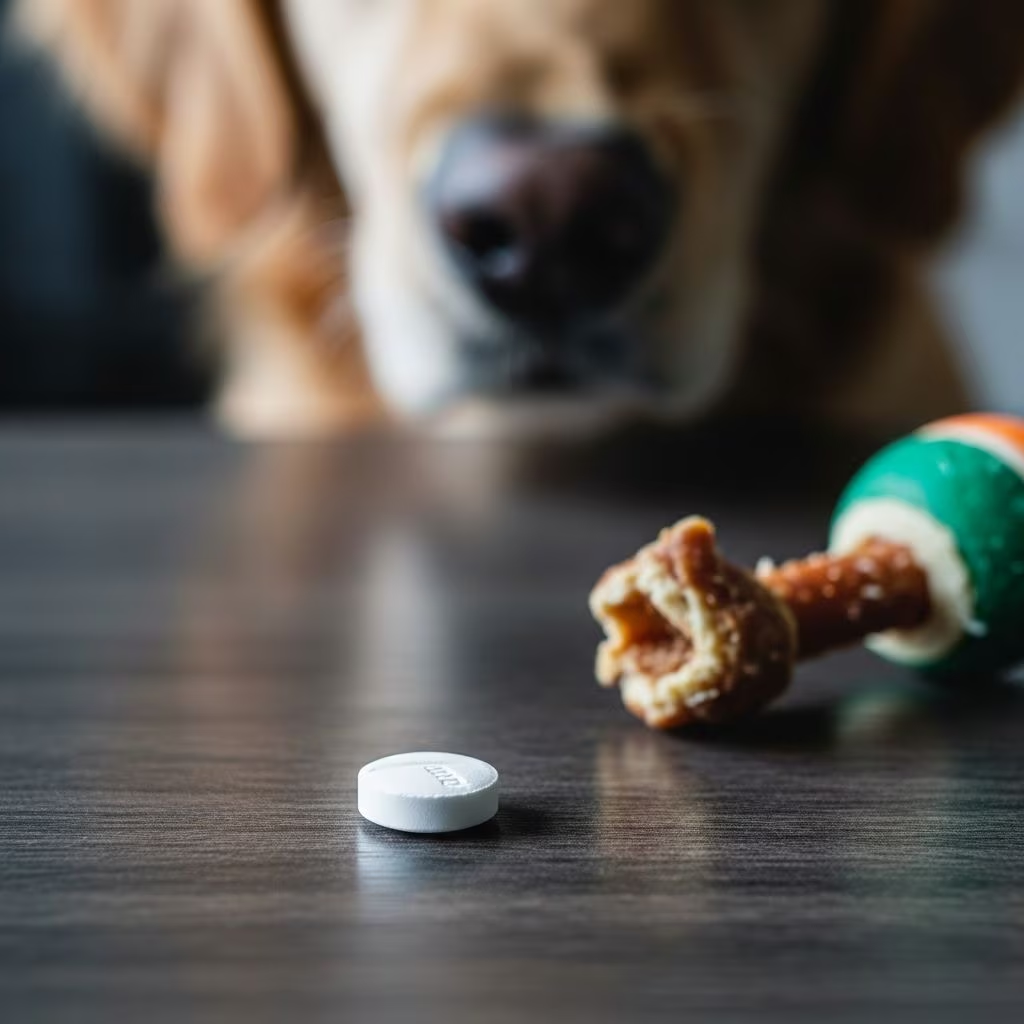
Aspirin, a common human pain reliever, poses significant health threats to dogs despite occasional veterinary use. Its side effects range from mild digestive upset to life-threatening organ damage, making professional oversight mandatory.
Why Aspirin Appeals for Canine Care but Falls Short
Aspirin belongs to the nonsteroidal anti-inflammatory drug (NSAID) class, which reduces inflammation, pain, and fever by inhibiting specific enzymes. In dogs, veterinarians might prescribe it rarely for conditions like arthritis or short-term injury pain when benefits outweigh risks. However, dog-formulated NSAIDs like carprofen (Rimadyl) are preferred due to aspirin’s higher toxicity profile.
Over-the-counter availability misleads many owners into self-medicating, but aspirin’s impact on a dog’s sensitive gastrointestinal tract, kidneys, and clotting mechanisms demands caution. Without veterinary dosing—typically 5-10 mg per pound every 12 hours—harms escalate quickly.
Common Gastrointestinal Reactions to Watch For
The stomach and intestines bear the brunt of aspirin’s effects in dogs. It erodes protective mucosal linings, fostering ulcers that bleed silently or overtly.
- Vomiting: Often the first sign, sometimes containing blood, indicating early irritation.
- Diarrhea: Loose, frequent stools that may darken to tarry black from digested blood.
- Loss of Appetite: Dogs refuse food due to nausea or abdominal pain.
- Black, Tarry Stools: Melena signals internal bleeding from ulcerated sites.
These symptoms appear within hours to days. Nearly all aspirin-treated dogs develop some mucosal damage, though not always symptomatic. Promptly halting use and consulting a vet prevents progression.
Severe Organ and Systemic Complications
Beyond digestion, aspirin disrupts kidney filtration, liver metabolism, and blood coagulation, with risks amplifying in prolonged or high-dose scenarios.
| Complication | Symptoms | Risk Factors |
|---|---|---|
| Kidney Failure | Increased thirst/urination, weakness, elevated blood temperature | Pre-existing kidney disease, dehydration |
| Liver Damage | Yellowing gums/eyes (jaundice), lethargy, fever | High doses, repeated use |
| Bleeding Disorders | Excessive bruising, prolonged bleeding from cuts | Surgery proximity, clotting issues |
| Neurological Effects | Seizures, disorientation, coma | Overdose, toxicity |
Ulcers can perforate, necessitating emergency surgery, while kidney shutdown demands intensive care. High doses provoke seizures or coma, turning a simple pain reliever deadly.
Recognizing Aspirin Toxicity and Overdose
Overdose occurs from miscalculated doses, accidental ingestion, or cumulative effects. Toxicity thresholds vary by dog size, age, and health, but symptoms onset 4-6 hours post-exposure.
- Lethargy and weakness signal metabolic shifts.
- Rapid, labored breathing reflects acid-base imbalances.
- Bloody vomit or stool indicates hemorrhage.
- Coordination loss precedes seizures or coma.
In overdoses, aspirin accumulates, blocking vital processes in kidneys, liver, and brain. Even therapeutic doses risk toxicity in vulnerable dogs.
Dogs at Heightened Risk: When to Avoid Aspirin Entirely
Certain profiles amplify dangers, prompting vets to select alternatives.
- Seniors or those with kidney/liver disease face accelerated organ decline.
- Dogs with ulcers, asthma, or bleeding disorders encounter worsened outcomes.
- Pregnant or nursing females risk fetal harm.
- Cancer patients or those on anticoagulants heighten hemorrhage chances.
Always disclose full medical history and concurrent medications, as interactions exacerbate issues.
Emergency Response to Suspected Aspirin Exposure
Act swiftly if overdose is suspected:
- Calculate ingested amount and note timing.
- Monitor for vomiting, diarrhea, or breathing changes.
- Never induce vomiting without vet instruction—risks aspiration.
- Contact a vet or poison hotline immediately; supportive care like fluids and monitoring is key.
Activated charcoal may bind residual aspirin, but only under guidance. Delays compound damage.
Safer Alternatives for Canine Pain Management
Vets favor FDA-approved NSAIDs minimizing side effects:
- Carprofen (Rimadyl): Effective for osteoarthritis with lower GI risk.
- Meloxicam (Metacam): Injectable or oral for acute pain.
- Deracoxib (Deramaxx): Chewable for post-surgical relief.
Non-drug options include weight management, physical therapy, acupuncture, and joint supplements like glucosamine. Multimodal approaches reduce medication reliance.
Monitoring Protocols During Prescribed Use
If aspirin is deemed necessary, vets enforce safeguards:
- Baseline Bloodwork: Assess kidney/liver function pre-treatment.
- Regular Checkups: Weekly monitoring for early detection.
- Home Vigilance: Track stool color, appetite, energy.
- Short Courses: Limit to 3-5 days maximum.
Buffer-coated aspirin or administration with food mitigates but doesn’t eliminate GI risks.
FAQs on Aspirin and Dog Health
Can I give my dog baby aspirin?
No, even low-dose human aspirin risks toxicity. Use only vet-prescribed, dog-appropriate formulations.
How long do side effects last?
Mild GI issues resolve in 24-48 hours post-discontinuation; severe cases require weeks of recovery.
Is aspirin ever safe for puppies?
Rarely, and only under strict vet supervision due to immature organs.
What if my dog ate aspirin from my purse?
Call your vet or emergency clinic immediately—provide dose details for tailored intervention.
Are natural alternatives better?
Some like turmeric show promise, but efficacy varies; consult vets before substituting.
Key Takeaways for Responsible Pet Ownership
Aspirin’s convenience tempts, but its profile—GI ulceration in most users, organ failure risks—demands restraint. Prioritize vet consultations, embrace approved alternatives, and observe diligently. Informed care safeguards your dog’s vitality.
References
- Aspirin for Dogs: Uses, Side Effects, and More — GoodRx. 2023. https://www.goodrx.com/pet-health/dog/aspirin-for-dogs
- Aspirin for Dogs: Uses, Side Effects, and Alternatives — American Kennel Club. 2023. https://www.akc.org/expert-advice/health/aspirin-for-dogs/
- Can I Give My Dog Aspirin? — Taconic Veterinary Center. 2023. https://taconicvet.com/blog/can-i-give-my-dog-aspirin/
- Aspirin Poisoning in Dogs — VCA Animal Hospitals. 2023. https://vcahospitals.com/know-your-pet/aspirin-poisoning-in-dogs
- Get the Facts about Pain Relievers for Pets — U.S. Food and Drug Administration. 2022-10-20. https://www.fda.gov/animal-veterinary/animal-health-literacy/get-facts-about-pain-relievers-pets



