

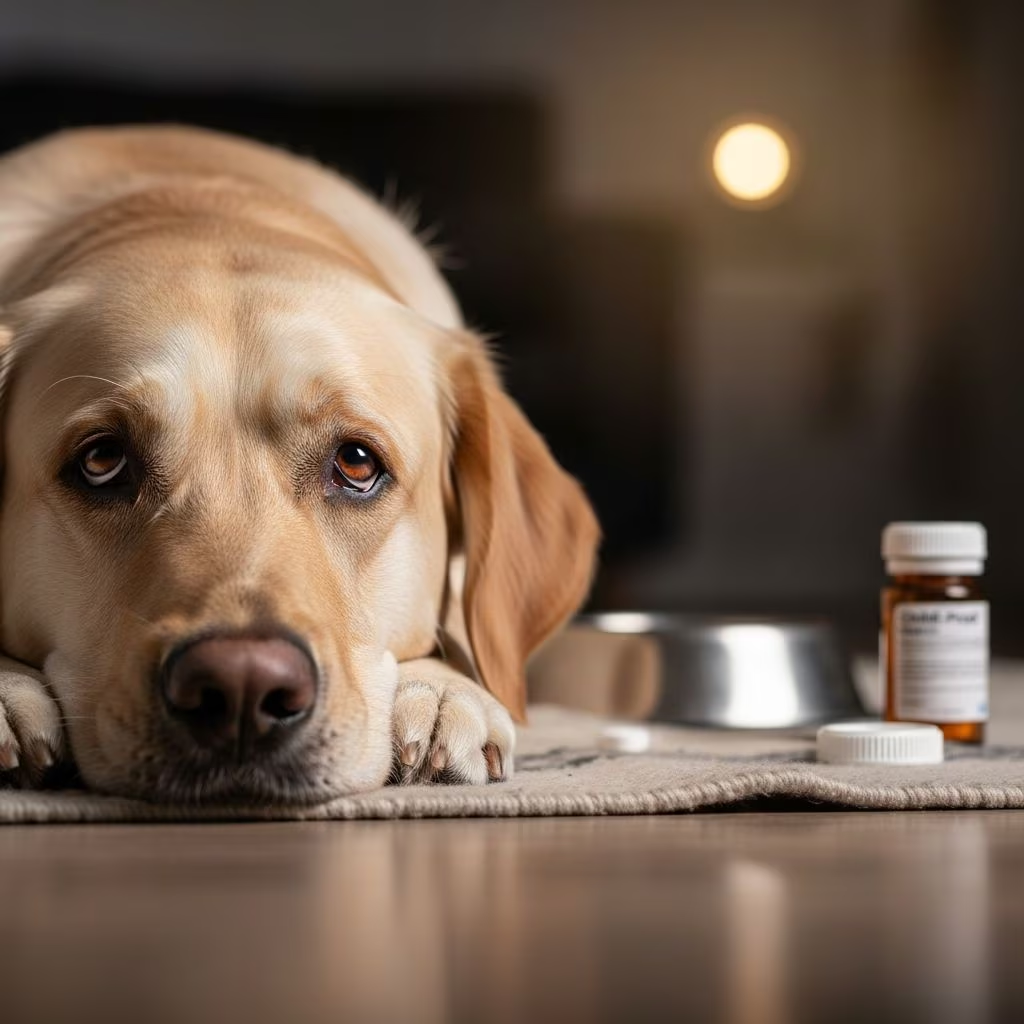
Understanding Aspirin Poisoning in Dogs
Aspirin is a common pain reliever found in many households, making accidental ingestion by dogs a serious concern for pet owners. While aspirin is sometimes prescribed by veterinarians for dogs experiencing pain or inflammation, overdose or unauthorized consumption can lead to severe toxicity. Understanding the risks, recognizing warning signs, and knowing how to respond quickly can make the difference between a full recovery and a life-threatening emergency.
What Causes Aspirin Poisoning in Dogs?
Aspirin poisoning occurs when a dog ingests a toxic dose of aspirin or products containing salicylates. Dogs may encounter aspirin through various sources beyond medication bottles. Common items that contain aspirin or aspirin-like compounds include arthritis creams, topical pain relief products, Pepto-Bismol, and certain over-the-counter medications. Even prescription aspirin intended for therapeutic use can become toxic if administered in excessive amounts or if a dog accidentally consumes a bottle of pills.
The toxicity depends on several factors, including the dog’s weight, the amount of aspirin ingested, and the dog’s individual sensitivity to the drug. Some dogs may experience symptoms from lower doses, while others might require higher levels to show signs of toxicity. Additionally, chronic exposure to therapeutic doses of aspirin can accumulate in a dog’s system, leading to gradual development of toxic effects over time.
Signs and Symptoms of Aspirin Poisoning
Recognizing the early signs of aspirin toxicity is crucial for prompt intervention. Symptoms can vary depending on the dose and product to which the dog was exposed, but certain indicators should alert owners to a potential problem.
Gastrointestinal Symptoms
The most common side effects of aspirin exposure involve the digestive system. Dogs may experience decreased appetite or complete loss of appetite, which is often one of the first noticeable signs. Vomiting is another frequent symptom, and in severe cases, the vomit may contain blood or appear similar to coffee grounds, indicating internal bleeding. Diarrhea is also common, and in some cases, dogs may pass dark, tarry feces called melena, which represents digested blood from the stomach or small intestine.
Systemic and Neurological Symptoms
Beyond digestive issues, aspirin poisoning can affect multiple body systems. Dogs may develop an elevated body temperature or hyperthermia as aspirin interferes with normal body temperature regulation. Lethargy and weakness are common, with affected dogs appearing depressed or unusually tired. In more severe cases, dogs may have difficulty walking, appear uncoordinated or “drunk,” and may collapse. The central nervous system can be significantly affected, potentially leading to tremors, seizures, loss of consciousness, or even sudden death in extreme cases.
Other Clinical Signs
Changes in respiration rate, alterations in thirst or urination patterns, and pale gums may also indicate aspirin poisoning. The severity and combination of symptoms depend on the amount of aspirin ingested and how quickly the dog received medical attention.
Timing of Symptom Onset
Symptoms can develop rapidly after aspirin ingestion. Clinical signs typically appear within 4 to 6 hours following ingestion of a toxic dose and may persist for 24 hours or longer. In cases of chronic exposure to therapeutic doses, symptoms may develop more gradually over days or weeks, making the connection to aspirin less obvious to owners.
Diagnosis of Aspirin Poisoning
If you suspect your dog has ingested aspirin, immediate veterinary consultation is essential. Your veterinarian will perform a thorough diagnostic evaluation to confirm aspirin toxicity and assess its severity.
Initial Assessment
The diagnostic process begins with a detailed history. Inform your veterinarian about any known aspirin ingestion, the approximate time of exposure, the amount consumed if known, and the specific product involved. This information helps the veterinarian determine the potential severity of the poisoning and guide treatment decisions.
Blood Tests and Laboratory Analysis
A blood sample will be taken to assess cell counts and serum chemistry values. Dogs with aspirin toxicity often show anemia and electrolyte abnormalities. Additional blood tests may evaluate the dog’s clotting ability, as aspirin affects platelet function and can impair normal blood coagulation. Liver and kidney function tests are also typically performed to determine if these vital organs have been affected by the toxin.
Additional Diagnostic Tests
Fecal testing may be recommended to detect hidden blood in the stool. In some cases, abdominal imaging or other diagnostic procedures may be warranted to assess the extent of gastrointestinal damage or organ involvement.
Treatment for Aspirin Poisoning
As with all poisoning cases, early intervention is key to successful treatment. Time is critical, and the sooner your dog receives professional care, the better the chances of a full recovery.
Immediate Action
If you know or suspect your dog has consumed aspirin, call your veterinarian or the Pet Poison Helpline immediately at 1-800-213-6680. This 24/7 animal poison control center can provide life-saving guidance and connect you with emergency care if needed. Do not delay seeking help, as early treatment significantly improves outcomes.
Decontamination Procedures
Dogs treated within 12 hours of aspirin ingestion and showing limited signs of distress can have the concentration of aspirin in their body decreased through prescribed decontamination treatment. The sooner this care begins, the better. Your veterinarian may recommend inducing vomiting at home before coming to the clinic, or they may perform gastric lavage (stomach pumping) at the veterinary facility to remove as much unabsorbed aspirin as possible.
After vomiting or gastric lavage, medical-grade activated charcoal is administered to absorb any remaining aspirin in the gastrointestinal tract and minimize absorption into the bloodstream. A cathartic agent may be used alongside activated charcoal to promote elimination through the feces.
Supportive and Symptomatic Care
Medications that protect or encourage healing of the gastrointestinal lining are generally prescribed to prevent or treat ulceration. Depending on the dog’s condition, intravenous fluid therapy may be necessary to maintain proper hydration, support kidney function, and correct electrolyte abnormalities. In some cases, sodium bicarbonate may be added to IV fluids to promote the elimination of salicylates through the kidneys.
Hospitalization and Monitoring
In moderate to severe cases, hospitalization and repeated blood analysis are often necessary until the dog becomes stable. Continuous monitoring allows veterinarians to track the dog’s recovery, adjust treatment as needed, and watch for complications. The hospital stay duration depends on the severity of poisoning and the dog’s response to treatment. Some dogs may require several days of hospitalization, while others need only overnight observation.
Recovery and Post-Treatment Care
After discharge from emergency treatment, continued care at home is vital for complete recovery.
Dietary Management
In most cases of aspirin poisoning, veterinarians recommend a bland diet for several days following exposure. This gentle diet gives the gastrointestinal tract time to heal without additional irritation. Gradually transition back to the dog’s normal diet as the veterinarian advises.
Medication and Monitoring
Stomach protectants may continue to be prescribed during the recovery period. Dogs exposed to higher doses or with chronic exposure may require ongoing monitoring for liver or kidney damage even after discharge. Your veterinarian may recommend follow-up blood work to ensure these organs are functioning properly and to detect any delayed complications.
Prevention Strategies
Preventing aspirin poisoning is far easier than treating it. Pet owners should take proactive steps to reduce the risk of accidental ingestion:
- Store all medications, including aspirin and aspirin-containing products, in secure cabinets or containers that dogs cannot access
- Be aware of over-the-counter products containing aspirin or salicylates, such as arthritis creams, pain relief topicals, and certain stomach remedies
- Never give aspirin or other pain medications to your dog without explicit veterinary guidance and dosing instructions
- Educate family members and visitors about which medications and products are dangerous for dogs
- Dispose of expired medications properly according to FDA guidelines
- If your dog requires aspirin therapy for a medical condition, follow your veterinarian’s dosing instructions precisely and watch for any adverse effects
Frequently Asked Questions About Aspirin Poisoning in Dogs
Q: How much aspirin is toxic to dogs?
A: Toxicity varies based on the dog’s weight and individual sensitivity. Generally, a dose exceeding the therapeutic range can be toxic. Contact your veterinarian or poison control for specific guidance based on your dog’s weight and the amount ingested.
Q: Can aspirin ever be safely given to dogs?
A: Yes, aspirin can be prescribed by veterinarians for pain management or inflammation in dogs, but only at appropriate therapeutic doses and under professional guidance. Never give aspirin without veterinary approval.
Q: What is the prognosis for dogs with aspirin poisoning?
A: The prognosis depends on the amount ingested, the time delay before treatment, and the severity of organ involvement. Dogs treated early generally have a good prognosis for full recovery.
Q: Are certain dog breeds more susceptible to aspirin poisoning?
A: All dogs can be poisoned by aspirin, though individual sensitivity may vary. Some dogs may show symptoms at lower doses than others. Cats are notably more sensitive to aspirin than dogs.
Q: Should I induce vomiting at home if my dog eats aspirin?
A: Only if your veterinarian specifically recommends it. In some cases, inducing vomiting can be harmful. Always contact your veterinarian or poison control for guidance before taking any action.
Q: How long does aspirin stay in a dog’s system?
A: The half-life of aspirin in dogs is approximately 8 hours. However, the effects and symptoms may persist longer depending on the dose and individual response.
References
- Aspirin Poisoning in Dogs — VCA Animal Hospitals. Retrieved from https://vcahospitals.com/know-your-pet/aspirin-poisoning-in-dogs
- Aspirin Poisoning in Dog — PetMD. Retrieved from https://www.petmd.com/dog/conditions/digestive/c_multi_aspirin_tox
- Ibuprofen, aspirin and acetaminophen toxicosis and treatment in dogs and cats — PubMed/National Center for Biotechnology Information. 1997. Retrieved from https://pubmed.ncbi.nlm.nih.gov/9610496/
- Aspirin Is Toxic To Dogs — Pet Poison Helpline. Retrieved from https://www.petpoisonhelpline.com/poison/aspirin/
- Aspirin Toxicity in Dogs — Pet Health Network. Retrieved from https://www.pethealthnetwork.com/dog-health/dog-toxins-poisons/aspirin-toxicity-dogs



