

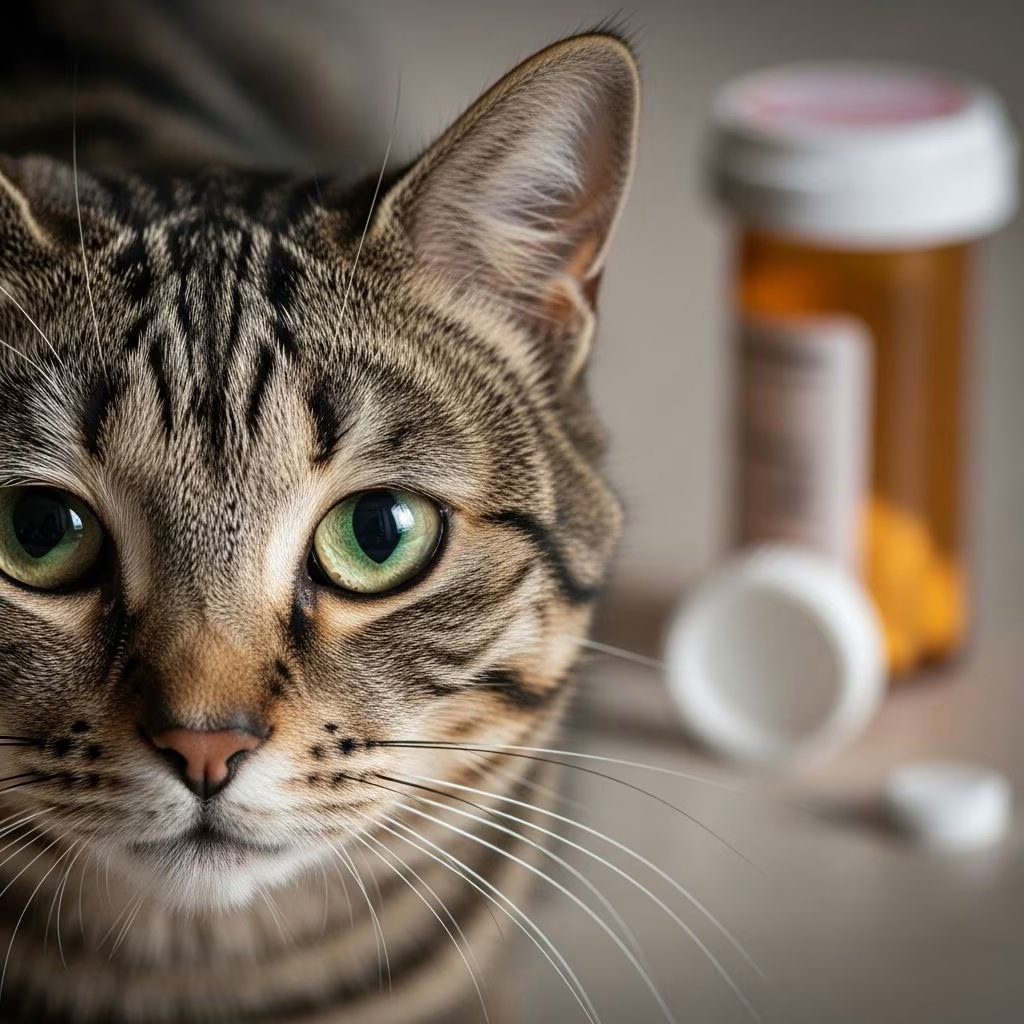
Aspirin Poisoning in Cats: A Comprehensive Guide
Aspirin is a common over-the-counter medication found in many households, but it poses a serious risk to feline health. Unlike humans and some other animals, cats lack certain liver enzymes that help metabolize aspirin effectively, making them particularly susceptible to aspirin toxicity. Even a single dose can be potentially fatal to cats, which is why it is crucial for cat owners to understand the dangers of this medication and recognize the signs of poisoning. This comprehensive guide explores the causes, symptoms, diagnosis, treatment, and prevention strategies related to aspirin poisoning in cats.
Understanding Aspirin Toxicity in Cats
Aspirin toxicity occurs when a cat ingests an excessive amount of aspirin or when the drug accumulates in the cat’s system over time. Aspirin is commonly found in various over-the-counter pain relievers and medications. Cat owners may accidentally administer aspirin to their pets without realizing the serious risks involved. The drug works by inhibiting prostaglandin synthesis, which leads to gastrointestinal bleeding, metabolic acidosis, and potential liver damage in feline patients. Additionally, aspirin has anticoagulant properties that can interfere with the cat’s blood clotting ability, leading to prolonged bleeding episodes.
Recognizing the Symptoms
The symptoms of aspirin poisoning in cats can manifest rapidly, with clinical signs often appearing within 4 to 6 hours after ingestion. Recognizing these symptoms early is essential for seeking timely veterinary intervention.
Early Signs of Aspirin Toxicity
The initial indicators of aspirin poisoning are often subtle but important to recognize:
– Loss of appetite or anorexia, frequently one of the first noticeable signs- Lethargy and depression- General weakness and lack of coordination- Abdominal pain- Increased breathing rate or panting (tachypnea)- Fever or elevated body temperature (hyperthermia)
Progressive and Severe Symptoms
As aspirin toxicity progresses, more severe symptoms may develop:
– Vomiting, which may contain fresh blood (red) or digested blood appearing dark brown to black- Diarrhea or melena (black, tarry stools indicating internal bleeding)- Pale or discolored gums- Difficulty walking or loss of coordination- Tremors or seizures- Collapse or loss of consciousness- Sudden death in severe cases
The gastrointestinal symptoms result from ulceration in the stomach and small intestines caused by aspirin’s irritating effects on the gastric mucosa. Metabolic acidosis can occur, leading to respiratory distress and other systemic complications.
Diagnosis of Aspirin Poisoning
If you suspect your cat has ingested aspirin, immediate veterinary consultation is essential. Veterinarians use multiple diagnostic approaches to confirm aspirin toxicity and assess its severity.
Diagnostic Tests and Procedures
Your veterinarian will conduct a comprehensive evaluation:
– **Clinical examination and history**: Gathering information about potential aspirin exposure and observing clinical signs- **Blood profile**: Including a complete blood count and chemical analysis to identify anemia, electrolyte abnormalities, and organ function- **Urinalysis**: To assess kidney function, as aspirin reduces blood flow to the kidneys- **Coagulation studies**: To evaluate the blood’s ability to clot properly, which is often impaired by aspirin’s anticoagulant effects- **Liver function tests**: Since aspirin can cause liver damage and potential jaundice
Affected cats often show anemia (low red blood cell volume), electrolyte imbalances, and reduced blood clotting ability. Early diagnosis significantly improves treatment outcomes.
Treatment Options for Aspirin Toxicity
Treatment for aspirin poisoning in cats requires immediate and aggressive medical intervention. The success of treatment depends largely on the timing and the severity of toxicity.
Immediate Decontamination
Cats treated within 12 hours of ingestion with limited signs of distress have the best prognosis for recovery. Initial treatment focuses on removing the drug from the cat’s system:
– **Inducing vomiting**: This is performed if the ingestion occurred recently. While vomiting induction can be attempted at home, veterinary supervision is recommended for maximum effectiveness and safety.- **Gastric lavage**: In cases where vomiting is unsuccessful, the veterinarian may pump the stomach to remove remaining aspirin.- **Activated charcoal**: Administered after vomiting to absorb remaining aspirin particles in the gastrointestinal tract and prevent further absorption.
Supportive Care and Hospitalization
Beyond initial decontamination, comprehensive supportive care is essential:
– **Intravenous fluid therapy**: This is a cornerstone of treatment, supporting kidney function and helping eliminate the toxin from the body. Fluids also correct electrolyte imbalances caused by vomiting and diarrhea.- **Gastroprotective medications**: Proton pump inhibitors or H2 receptor antagonists minimize further damage to the gastric mucosa and promote healing.- **Anticonvulsants**: Administered if seizures or other neurological symptoms develop.- **Hospitalization**: Most cats require hospitalization with continuous monitoring and repeated blood analysis until stable.- **Additional supportive treatments**: Pain management, blood transfusions (if severe anemia develops), and other medications as needed based on the individual cat’s condition.
Your veterinarian will continuously monitor your cat’s condition and adjust treatment protocols to ensure the best chance of recovery.
Prognosis and Recovery
The prognosis for cats with aspirin poisoning varies significantly based on several factors:
Factors Affecting Outcome
| Factor | Impact on Prognosis ||——–|———————|| Dose ingested | Higher doses correlate with worse outcomes || Time to treatment | Earlier treatment significantly improves prognosis || Cat’s general health | Younger, healthier cats typically recover better || Severity of organ damage | Kidney or CNS damage reduces survival chances || Speed of veterinary intervention | Critical within 12 hours of ingestion |
With early diagnosis and prompt treatment, the prognosis is generally good, and many cats recover completely. However, when large amounts of aspirin have been ingested or treatment has been delayed, the prognosis becomes less favorable. Severe organ damage, particularly to the kidneys or central nervous system, can significantly reduce survival chances.
Post-Recovery Care
After hospitalization and initial recovery, cats may require ongoing care:
– Continued medication to protect the gastrointestinal lining- Regular veterinary follow-up appointments to monitor organ function- Dietary modifications to support digestive health- Activity restrictions during the recovery period- Monitoring for any relapse or complication development
Prevention Strategies
The best approach to aspirin poisoning is prevention. Cat owners should take proactive measures to protect their feline companions:
– **Secure medication storage**: Keep all aspirin and other pain relievers in secure cabinets or containers out of reach of cats- **Avoid self-medication**: Never administer human medications to cats without explicit veterinary approval- **Check medication ingredients**: Be aware that aspirin may be an ingredient in various over-the-counter products- **Use feline-specific medications**: When your cat requires pain relief or fever management, always use medications prescribed by your veterinarian- **Educate family members**: Ensure all household members understand the dangers of aspirin to cats- **Know emergency contacts**: Have your veterinarian’s number and local emergency veterinary clinic information readily available
Frequently Asked Questions
Q: Can aspirin ever be safely given to cats?
A: Aspirin toxicity is a serious concern in cats, and veterinarians typically avoid prescribing aspirin except in very specific, carefully monitored situations. Even at appropriate doses, aspirin can produce toxic symptoms in cats. Any aspirin use in cats should only occur under direct veterinary supervision with careful monitoring for adverse effects. Always consult your veterinarian before giving any medication to your cat.
Q: What should I do if I suspect my cat has eaten aspirin?
A: Contact your veterinarian or emergency veterinary clinic immediately. Do not wait to see if symptoms develop. If you know the approximate time of ingestion, provide this information to your veterinarian. Time is critical in treating aspirin poisoning, and cats treated within 12 hours of ingestion have significantly better outcomes.
Q: Is aspirin poisoning fatal in cats?
A: Yes, aspirin toxicity can be fatal to cats, particularly when high doses are ingested or treatment is delayed. However, with prompt veterinary intervention and aggressive treatment, many cats survive and make full recoveries. The outcome depends on the amount ingested, the time before treatment begins, and the cat’s overall health status.
Q: What are the long-term effects of aspirin poisoning in cats?
A: Cats that recover from aspirin poisoning may experience long-term complications depending on the severity of organ damage. Possible long-term effects include chronic kidney disease, gastrointestinal sensitivity, and digestive issues. Your veterinarian can provide guidance on managing any residual health concerns during recovery and follow-up care.
Q: How quickly do aspirin poisoning symptoms appear in cats?
A: Symptoms typically begin to manifest between 4 to 6 hours after ingestion, though signs can progress rapidly. The onset and severity of symptoms depend on the amount of aspirin ingested and the individual cat’s sensitivity to the drug.
References
- Aspirin Intoxication (Aspirin Poisoning) in Cats — Pets Vet Check. Accessed November 28, 2025. https://petsvetcheck.de/en/diseases-and-disorders/cat/aspirinintoxikation-aspirinvergiftung/
- Aspirin Poisoning in Cats: Causes, Symptoms, & Treatment — Cats.com. Accessed November 28, 2025. https://cats.com/aspirin-poisoning-in-cats
- Aspirin Poisoning in Cats — PetMD. Accessed November 28, 2025. https://www.petmd.com/cat/conditions/digestive/c_ct_aspirin_tox
- Aspirin Poisoning in Cats — AZ Pets Can. Accessed November 28, 2025. https://www.azpetscan.com/pet-scan-blog-the-inner-pet/aspirin-poisoning-in-cats
- Cats and Aspirin — Pet Poison Helpline. Accessed November 28, 2025. https://www.petpoisonhelpline.com/pet-tips/cats-and-aspirin/
- Aspirin – Cats — Lort Smith Melbourne Animal Hospital. Accessed November 28, 2025. https://lortsmith.com/need-help-now/cat/poisons-toxins/medication-and-drugs/aspirin-in-cats/
- Common Cat Poisons — Agriculture Victoria, Department of Jobs, Precincts and Regions. Accessed November 28, 2025. https://agriculture.vic.gov.au/livestock-and-animals/animal-welfare-victoria/cats/health/common-cat-poisons



