

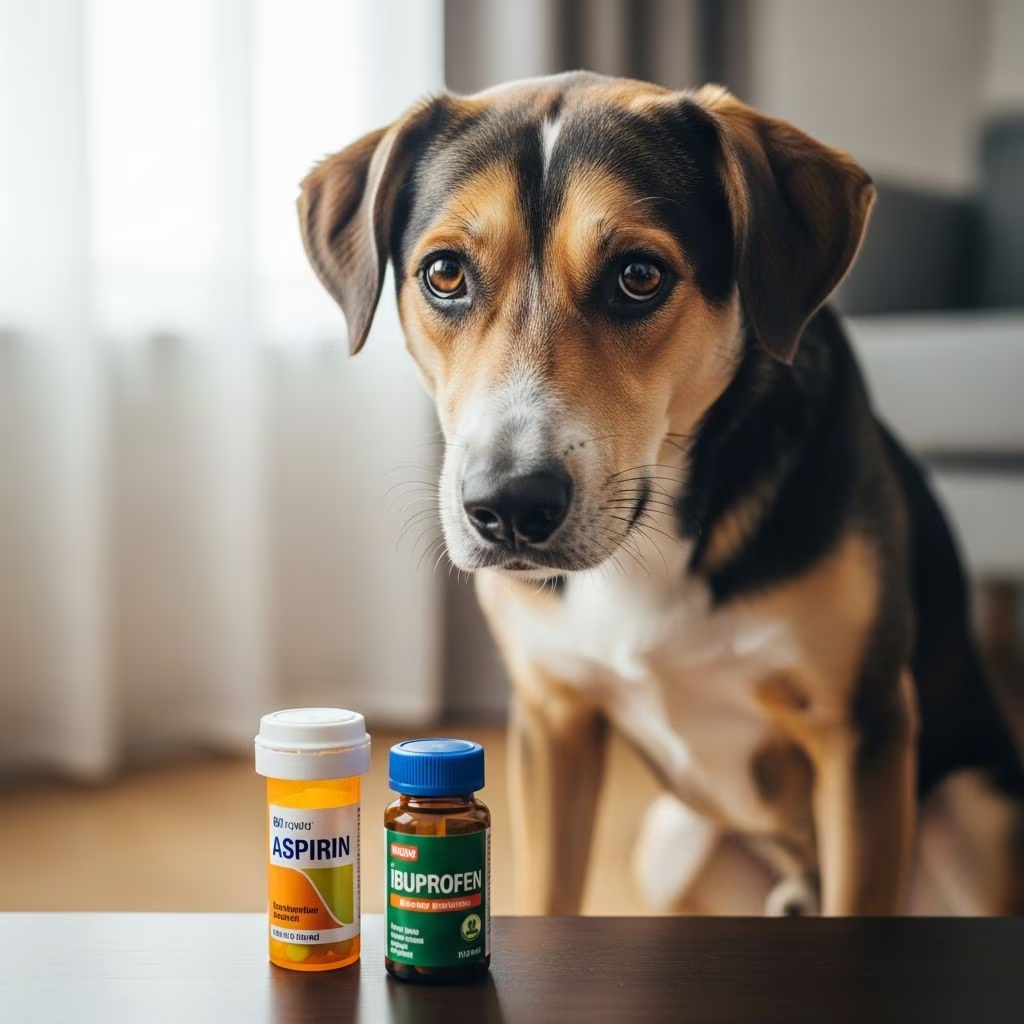
Many pet owners mistakenly believe that human pain relievers like aspirin and ibuprofen can safely ease their dog’s discomfort. However, these medications, designed for human physiology, can trigger life-threatening reactions in canines due to differences in metabolism and organ sensitivity.
Why Human Painkillers Fail Dogs’ Systems
Dogs process drugs differently from humans, lacking key enzymes to break down common analgesics effectively. This leads to prolonged exposure, higher blood concentrations, and rapid onset of toxicity even from small doses. Ibuprofen, for instance, has a narrow safety margin, causing harm at levels as low as 8-16 mg/kg over days. Aspirin, while occasionally used in vets’ protocols, risks gastrointestinal erosion at 25 mg/kg every 8 hours.
These nonsteroidal anti-inflammatory drugs (NSAIDs) inhibit prostaglandins essential for protecting the stomach lining and maintaining kidney function, amplifying damage in dogs.
Specific Risks of Ibuprofen in Canines
Ibuprofen stands out as particularly hazardous, with acute ingestion of 100-125 mg/kg sparking vomiting, diarrhea, abdominal pain, and anorexia. Chronic low doses erode the stomach, progressing to ulcers, perforations, hemorrhage, renal failure, CNS depression, hypotension, ataxia, seizures, and cardiac issues.
- Gastrointestinal havoc: Ulcers and bleeding from mucosal damage.
- Kidney assault: Acute failure from impaired blood flow.
- Neurological threats: Seizures and coma in severe cases.
Smaller dogs face amplified peril; a child’s dose might overwhelm a toy breed. The FDA approves no OTC NSAIDs for pets, underscoring the peril.
Aspirin’s Deceptive Safety Profile
Aspirin appears more tolerable than ibuprofen but still endangers dogs with prolonged use. Doses of 25 mg/kg every 8 hours cause erosions in 50% of dogs within two days, while 35 mg/kg every 8 hours leads to ulcers in most by week four. Higher intakes (100-300 mg/kg daily) over weeks provoke toxicosis, and acute 450 mg/kg binges induce hyperthermia, panting, seizures, or coma.
| Dose Level | Effect Timeline | Primary Symptoms |
|---|---|---|
| 25 mg/kg q8h | 2 days | Mucosal erosions (50% dogs) |
| 35 mg/kg q8h | 30 days | Gastric ulcers (4/6 dogs) |
| 50 mg/kg q12h | 5-6 weeks | Gastric ulcers (3/7 dogs) |
| 450 mg/kg acute | Immediate | GI issues, seizures, coma |
Platelet interference prolongs clotting, risking petechiae, spontaneous bleeding, respiratory distress, neurological issues, and organ failure. Uncoated tablets irritate more than buffered versions, but food co-administration helps only marginally. Puppies, pregnant dogs, and those with bleeding disorders face heightened bans.
Recognizing Toxicity Warning Signs
Early detection saves lives. Symptoms vary by drug but overlap in severity:
- Immediate (hours): Vomiting (possibly bloody), diarrhea, nausea, lethargy, abdominal tenderness.
- Progressive (days): Melena (black tarry stools), pale gums, loss of appetite, dehydration.
- Severe (critical): Kidney pain, oliguria, seizures, collapse, jaundice from liver strain.
Aspirin adds hyperpnea, fever, and bleeding tendencies; ibuprofen escalates to neurological chaos. Monitor post-exposure; even ‘safe’ vet NSAIDs like carprofen overdose similarly.
Emergency Response Protocols
Suspected ingestion demands instant action: Prevent further access, note substance/dose/time, and rush to a vet or poison hotline. Do not induce vomiting without guidance—risks aspiration.
Treatment includes decontamination (activated charcoal), gastroprotectants (sucralfate, PPIs), IV fluids for kidneys, antiemetics, and monitoring bloodwork for ulcers, anemia, renal values. Prognosis hinges on dose, timing, dog size/health; small overdoses resolve, massive ones may fatal.
Veterinarian-Approved Pain Management
Skip OTC risks; vets prescribe canine-specific NSAIDs like carprofen (Rimadyl), meloxicam (Metacam), firocoxib (Previcox), or robenacoxib (Onsior), safer via targeted cyclooxygenase-2 inhibition. Galliprant offers arthritis relief with fewer GI hits.
- Short-term: Injectable opioids or gabapentin.
- Chronic (e.g., osteoarthritis): Prescription NSAIDs with liver/kidney checks.
- Holistic aids: Weight control, physical therapy, acupuncture, joint supplements (glucosamine).
Regular blood tests ensure safety; never adjust doses solo.
Preventing Accidental Exposure
Store meds securely; purses, counters, dropped pills tempt curious noses. Educate family—’dog-safe’ myths persist. Use pill-proof containers; supervise pill-popping.
Travel with locked kits; discard expired drugs pet-inaccessibly. Microchip and tag for runaway risks.
Common Myths Busted
- Myth: Buffered aspirin is harmless. Still ulcerates faster than enteric-coated.
- Myth: Tiny doses for small pains are fine. Cumulative toxicity builds silently.
- Myth: Dogs tolerate human meds like kids. Enzymatic differences defy scaling.
Frequently Asked Questions
Can dogs have baby aspirin?
Low-dose aspirin sees vet use rarely, but risks persist. Consult first; alternatives superior.
What if my dog ate ibuprofen?
Call vet/emergency immediately—toxicity strikes fast.
Are all NSAIDs toxic?
Human yes; vet-formulated no, when dosed correctly.
How much aspirin is safe?
None without vet OK; even therapeutic levels ulcerate.
What natural pain relief works?
Vet-guided: omega-3s, turmeric (dosed), laser therapy—not substitutes.
Long-Term Health Strategies
Pain often signals arthritis, injury—address roots via diet, exercise, orthopedics. Annual vet exams catch issues early. Pet insurance covers approved meds, easing financial barriers to proper care.
References
- Toxicoses From Human Analgesics in Animals — Merck Veterinary Manual. 2023. https://www.merckvetmanual.com/toxicology/toxicoses-from-human-analgesics/toxicoses-from-human-analgesics-in-animals
- Anti-inflammatory intoxication in dogs — Joii Pet Care. 2024. https://www.joiipetcare.com/blogs/poisons/anti-inflammatory-intoxication-in-dogs-1
- Human pain relievers are toxic to dogs and cats — Cornell University Veterinary Specialists. 2023. https://www.cuvs.org/blog/human_pain_relievers_are_toxic_dogs_and_cats
- The Emergency Risks of Over the Counter Pain Meds for Dogs — GSVS. 2024. https://gsvs.org/blog/dog-pain-meds-emergency-risks/
- Can You Give Dogs Ibuprofen? Here’s Why You Shouldn’t — GoodRx. 2025-01-15. https://www.goodrx.com/pet-health/dog/can-you-give-dogs-ibuprofen
- NSAIDs for Dogs: Everything You Need to Know — PetMD. 2024. https://www.petmd.com/dog/general-health/nsaids-dogs-everything-you-need-know



