

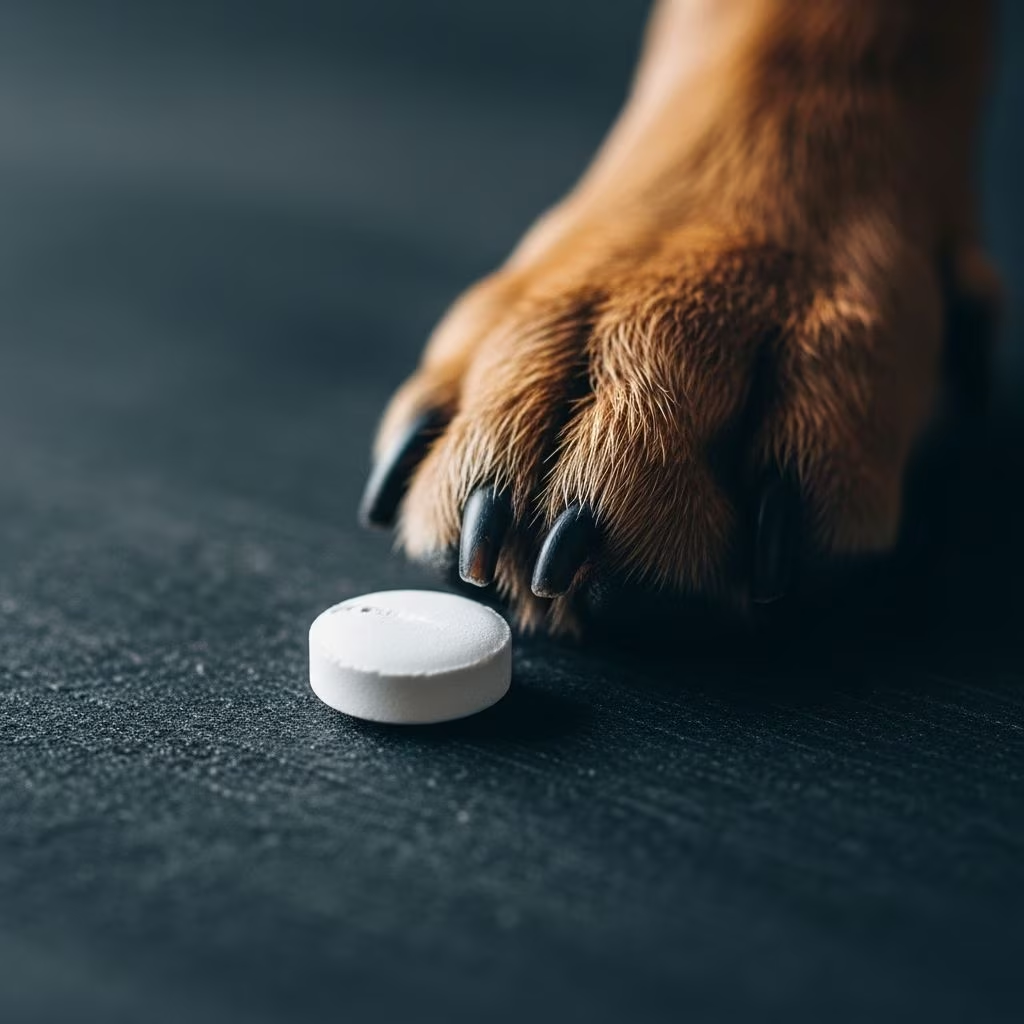
Aspirin, a widely used human medication, occasionally finds a place in veterinary care for dogs experiencing fever, but its effectiveness and safety demand careful consideration. While it can lower body temperature and ease related discomfort, veterinary experts emphasize that it is not a first-line treatment due to significant risks like gastrointestinal bleeding and organ damage.
Understanding Fever in Dogs
Fever in dogs, medically termed pyrexia, signals an underlying issue such as infection, inflammation, or injury. Normal canine body temperature ranges from 99.5°F to 102.5°F (37.5°C to 39.2°C). Anything above 103°F (39.4°C) warrants attention, and over 104°F (40°C) constitutes a medical emergency requiring immediate veterinary intervention.
- Common Causes: Bacterial or viral infections, heatstroke, vaccinations, or autoimmune disorders.
- Symptoms to Watch: Shivering, lethargy, rapid breathing, loss of appetite, and warm ears or nose.
- Diagnosis Methods: Veterinarians use rectal thermometers for accuracy, blood tests, or imaging to pinpoint the root cause.
Treating the fever alone misses the mark; addressing the source prevents recurrence and complications. Home monitoring helps, but professional guidance is essential.
How Aspirin Functions as a Fever Reducer in Canines
Aspirin, or acetylsalicylic acid, belongs to the non-steroidal anti-inflammatory drug (NSAID) class. It inhibits cyclooxygenase (COX) enzymes, reducing prostaglandin production—chemicals that promote inflammation, pain, and elevated temperature. In dogs, this mechanism can effectively drop fever tied to inflammatory conditions like arthritis or post-surgical recovery.
However, aspirin’s off-label status in veterinary medicine means it’s not FDA-approved specifically for dogs, unlike dedicated canine NSAIDs. Its fever-lowering effects are short-term, typically lasting 8-12 hours, and repeated use heightens toxicity risks.
Potential Benefits of Aspirin Beyond Fever Control
Besides antipyretic (fever-reducing) properties, aspirin offers multifaceted relief:
- Pain Management: Eases musculoskeletal pain from injuries or osteoarthritis by curbing inflammation.
- Blood Thinning: Prevents clot formation in conditions like heart disease or post-thrombosis, improving circulation.
- Eye Health Support: Emerging research indicates it may reduce retinopathy risks in diabetic dogs by mitigating vascular damage.
These benefits make aspirin a occasional veterinary choice when benefits outweigh risks, particularly for short-term use in stable patients.
Serious Risks and Side Effects of Aspirin Use
Despite its utility, aspirin poses substantial dangers to dogs, far more than in humans due to differences in metabolism and gut sensitivity. Gastrointestinal ulcers and bleeding top the list of concerns, affecting nearly all prolonged users.
| Side Effect | Symptoms | Severity Level |
|---|---|---|
| Gastrointestinal Issues | Vomiting, diarrhea, black/tarry stools, abdominal pain | High – Can lead to hemorrhage |
| Organ Damage | Kidney failure, liver toxicity, pale gums | Critical – Often irreversible |
| Neurological Signs | Lethargy, seizures, dizziness, collapse | Emergency |
| Respiratory Effects | Rapid panting, hyperthermia | Moderate to High |
Overdose amplifies these, with symptoms appearing rapidly: hyperthermia, dehydration, and coma. Small breeds, puppies, seniors, and those with pre-existing conditions face amplified vulnerability.
Dogs at Highest Risk: Contraindications Explained
Not all dogs tolerate aspirin. Absolute no-go scenarios include:
- History of ulcers, bleeding disorders, or Von Willebrand’s disease.
- Kidney/liver impairment, asthma, or cancer.
- Pregnancy, nursing, or puppies under 6 months.
- Concurrent use with steroids, other NSAIDs, or anticoagulants.
Discontinue aspirin 7-10 days pre-surgery to mitigate bleeding risks. Always disclose full medical history to your vet.
Calculating Safe Aspirin Dosages for Dogs
Veterinarian-prescribed dosages are imperative—no standard OTC amount suffices due to breed, weight, and health variations. General guidelines (under vet supervision):
- Standard Dose: 5-10 mg per pound of body weight, every 12 hours.
- Baby Aspirin (81 mg): Suitable for small dogs; one tablet for 10-20 lb pets.
- Buffered/Enteric-Coated: Preferred to protect the stomach lining.
Maximum Duration: Never exceed 5 days consecutively. Weigh your dog accurately and use a milligram scale for precision. Human formulations may contain xylitol or additives toxic to dogs—opt for plain, vet-recommended products.
Recognizing and Responding to Aspirin Toxicity
Aspirin poisoning strikes fast, often from misdosing. Key signs:
- Early: Vomiting, drooling, fever spikes.
- Advanced: Bloody stools, seizures, unconsciousness.
Act swiftly: Stop administration, withhold food/water briefly, and rush to an emergency vet. Treatment involves decontamination, IV fluids, and supportive care like blood transfusions if bleeding occurs. Prognosis hinges on early intervention—delays can be fatal.
Superior Alternatives to Aspirin for Fever Management
Vets favor dog-specific NSAIDs with better safety profiles:
| Medication | Primary Use | Advantages Over Aspirin |
|---|---|---|
| Carprofen (Rimadyl) | Pain, inflammation, fever | Lower GI risk, liver-protected |
| Meloxicam (Metacam) | Arthritis, post-op fever | Once-daily dosing, potent anti-pyretic |
| Deracoxib (Deramaxx) | Orthopedic pain/fever | Chewable, minimal clotting interference |
Non-drug options include cooling vests, hydration therapy, and addressing infections with antibiotics. For chronic cases, joint supplements like glucosamine shine.
Best Practices for Administering Aspirin Safely
- Secure vet approval with full health disclosure.
- Monitor temperature and symptoms pre/post-dose.
- Give with food to buffer stomach acid.
- Track intake meticulously; use pill organizers.
- Schedule follow-ups for bloodwork to check organs.
Store aspirin away from pets and children; discard expired tablets.
Frequently Asked Questions (FAQs)
Can I give my dog human aspirin for fever?
Only under strict veterinary guidance—never self-medicate due to overdose perils.
How quickly does aspirin reduce dog fever?
Effects begin within 1-2 hours, peaking at 4-6 hours.
Is baby aspirin safer for small dogs?
Potentially, at 5-10 mg/lb, but still requires vet dosing calculations.
What if my dog vomits after aspirin?
Stop immediately, contact your vet—could signal ulceration.
Are there natural fever remedies for dogs?
Yes, like cool compresses or hydration, but consult a pro for persistent cases.
Final Thoughts on Prioritizing Canine Wellness
Aspirin can play a niche role in dog fever treatment when precisely managed, but its risks often tip the scales toward modern alternatives. Empower yourself with veterinary partnership: routine check-ups, prompt symptom reporting, and proactive health strategies ensure your furry friend thrives fever-free. Prioritize safety—your dog’s tail-wagging years depend on it.
References
- Can I Give My Dog Aspirin? A Guide to Aspirin for Dogs Dosage — Total.Vet. 2023. https://total.vet/aspirin-for-dogs/
- Aspirin for Dogs: Uses, Side Effects, and More — GoodRx. 2024-02-15. https://www.goodrx.com/pet-health/dog/aspirin-for-dogs
- Can You Give Dogs Aspirin For Pain? Vets Say No — Pawlicy Advisor. 2024. https://www.pawlicy.com/blog/aspirin-for-dogs/
- Aspirin for Dogs: Uses, Side Effects, and Alternatives — American Kennel Club. 2023-10-01. https://www.akc.org/expert-advice/health/aspirin-for-dogs/
- Aspirin – VCA Animal Hospitals — VCA. 2024. https://vcahospitals.com/know-your-pet/aspirin



