

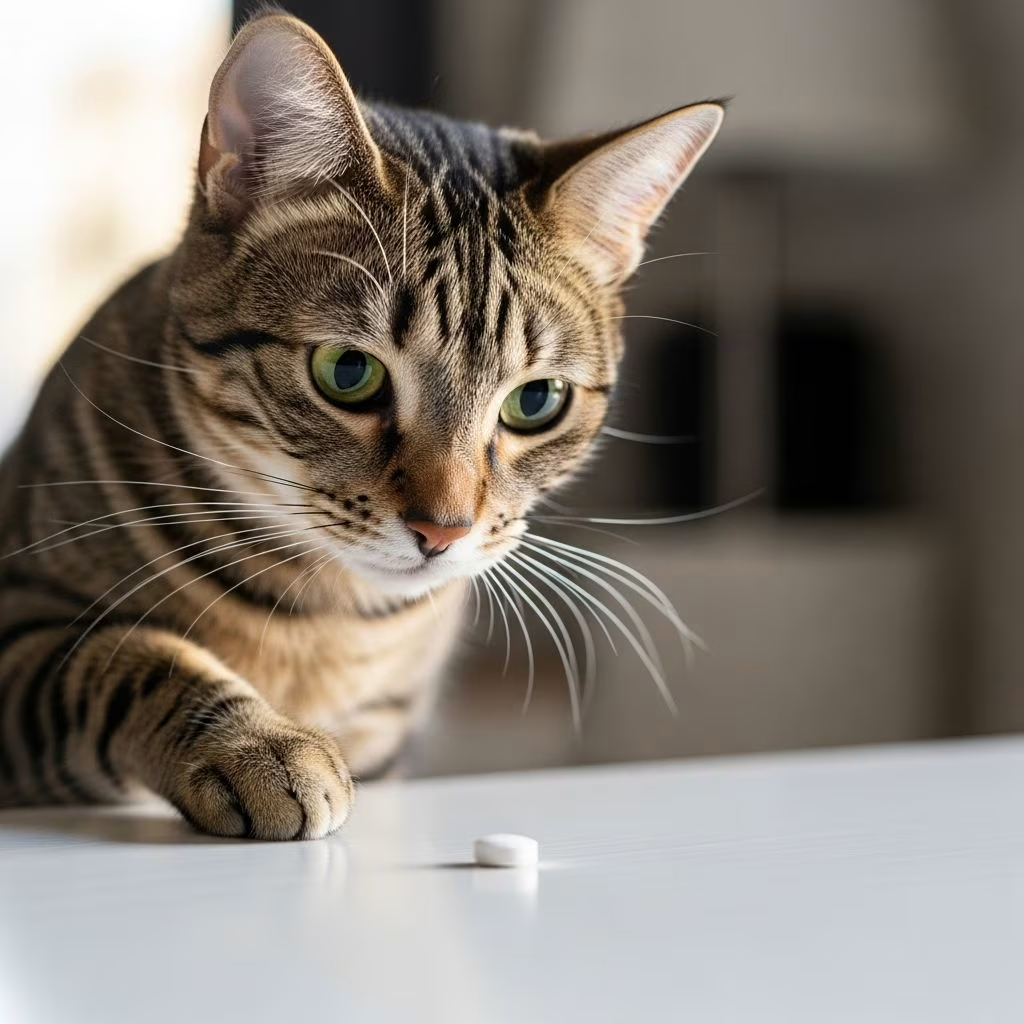
Cats cannot safely take baby aspirin or any aspirin without strict veterinary oversight due to their inability to metabolize it effectively, leading to potential toxicity even at low doses. While occasionally prescribed for specific conditions, the risks often outweigh benefits, making safer alternatives preferable.
Why Cats Struggle with Aspirin Metabolism
Felines lack sufficient glucuronyl transferase, an enzyme essential for breaking down salicylates—the active component in aspirin—into excretable forms. This results in prolonged exposure, with aspirin’s half-life extending 24-48 hours in cats compared to hours in humans or dogs. Consequently, even small amounts accumulate, heightening toxicity risks across multiple organ systems.
Aspirin, or acetylsalicylic acid, acts as a non-steroidal anti-inflammatory drug (NSAID) by inhibiting cyclooxygenase enzymes, reducing prostaglandins that cause pain, fever, and inflammation. In cats, this process disrupts normal protective mechanisms in the stomach and kidneys, amplifying harm.
Rare Medical Uses for Aspirin in Felines
Veterinarians may prescribe aspirin sparingly for conditions like feline arterial thromboembolism (FATE), where it serves as an anti-platelet agent to prevent blood clots. Other potential uses include mild pain relief, fever reduction, or inflammation control in arthritis, but only under precise dosing and monitoring.
- FATE Prevention: Low doses help thin blood in cats prone to saddle thrombus.
- Pain Management: Short-term for post-surgical discomfort or chronic issues.
- Anti-inflammatory: Occasionally for joint problems in older cats.
Typical dosing, when prescribed, is around 5 mg per pound of body weight every 48 hours, using uncoated, plain aspirin tablets to minimize gastrointestinal risks. Kittens, pregnant, or nursing cats must never receive it.
Danger Signs of Aspirin Overdose in Cats
Recognizing early symptoms can save lives, as toxicity progresses rapidly. Initial signs mimic mild upset but escalate to life-threatening issues.
| Stage | Symptoms |
|---|---|
| Early/Mild | Vomiting, diarrhea, loss of appetite, abdominal pain, fever |
| Moderate | Pale gums, lethargy, rapid breathing, wobbly gait (ataxia), black/tarry stools |
| Severe | Internal bleeding, anemia, tremors, seizures, coma, organ failure, death |
Gastrointestinal ulcers, metabolic acidosis, kidney/liver damage, and coagulopathies are common. Even therapeutic doses can provoke these if not monitored.
Conditions Making Aspirin Contraindicated
Certain health states or concurrent medications render aspirin absolutely unsafe.
- Bleeding Disorders: Exacerbates clotting issues.
- Ulcers or GI Disease: Promotes erosion and hemorrhage.
- Kidney/Liver Impairment: Impairs clearance, causing failure.
- Diabetes: Interferes with insulin effectiveness.
- Asthma: Worsens respiratory function.
- Pre-Surgery: Avoid 7+ days prior due to bleeding risk.
Drug interactions with steroids, other NSAIDs, or anticoagulants amplify dangers.
Emergency Response to Suspected Toxicity
If ingestion occurs, act immediately: do not induce vomiting without vet guidance, as aspiration risks rise. Contact a vet or poison hotline (e.g., Pet Poison Helpline) en route to emergency care. Treatment involves decontamination (activated charcoal), IV fluids, bloodwork, anti-emetics, proton-pump inhibitors for ulcers, and supportive care for organs. Prognosis hinges on dose and speed of intervention; even one baby aspirin (81 mg) can prove fatal.
Securing Your Home Against Medication Mishaps
Prevention trumps cure: store all human meds, especially NSAIDs, in cat-proof cabinets. Educate family on risks—many assume baby aspirin is harmless due to its low human dose. Use pill organizers with locks and dispose of expired drugs securely.
Superior Alternatives to Aspirin for Cat Pain
Veterinary-specific options exist with feline safety profiles.
- Prescription NSAIDs: Meloxicam (Metacam) or robenacoxib (Onsior) for short-term use.
- Opioids: Buprenorphine for moderate pain.
- Gabapentin: For neuropathic or chronic pain.
- Joint Supplements: Glucosamine, chondroitin, omega-3s for arthritis.
- Physical Therapy: Acupuncture, laser therapy, weight management.
Always consult vets before any treatment; human OTCs like ibuprofen or acetaminophen are lethal to cats.
Understanding Baby Aspirin Specifics
Baby aspirin (81 mg) tempts owners for its tiny size, but cats’ sensitivity means even fractions risk toxicity. One tablet exceeds safe limits for most cats under 10 lbs. Coated versions delay absorption, complicating treatment.
Long-Term Monitoring for Prescribed Use
If vet-prescribed, track behavior, stool, appetite, and gums daily. Baseline bloodwork guides dosing; rechecks ensure no accumulation. Discontinue at first sign of distress.
FAQs on Feline Aspirin Safety
Can cats have baby aspirin for pain?
No, without vet prescription—risks toxicity. Safer meds available.
What if my cat ate aspirin accidentally?
Rush to vet; even small amounts dangerous.
How much aspirin is toxic to cats?
Doses over 50 mg/kg cause issues; 80-100 mg/kg severe.
Are there cat-safe aspirins?
No OTC versions; only vet-formulated NSAIDs.
Why not use human painkillers on cats?
Metabolic differences lead to poisoning.
Key Takeaways for Cat Owners
Prioritize vet consultation over home remedies. Aspirin’s narrow therapeutic window in cats demands precision, but safer, targeted therapies exist for pain, inflammation, and clotting issues. Vigilance prevents tragedies.
References
- Aspirin Poisoning in Cats — PetMD. 2019-02-25. https://www.petmd.com/cat/conditions/digestive/c_ct_aspirin_tox
- Aspirin Dosage Chart for Cats: Risks, Side Effects, Dosage, and More — A-Z Animals. N/A. https://a-z-animals.com/pets/cats/cat-facts/aspirin-dosage-chart-for-cats/
- Cats and Aspirin — Pet Poison Helpline. N/A. https://www.petpoisonhelpline.com/pet-tips/cats-and-aspirin/
- Aspirin Poisoning in Cats: Causes, Symptoms, & Treatment — Cats.com. N/A. https://cats.com/aspirin-poisoning-in-cats
- Get the Facts about Pain Relievers for Pets — FDA. N/A. https://www.fda.gov/animal-veterinary/animal-health-literacy/get-facts-about-pain-relievers-pets



