

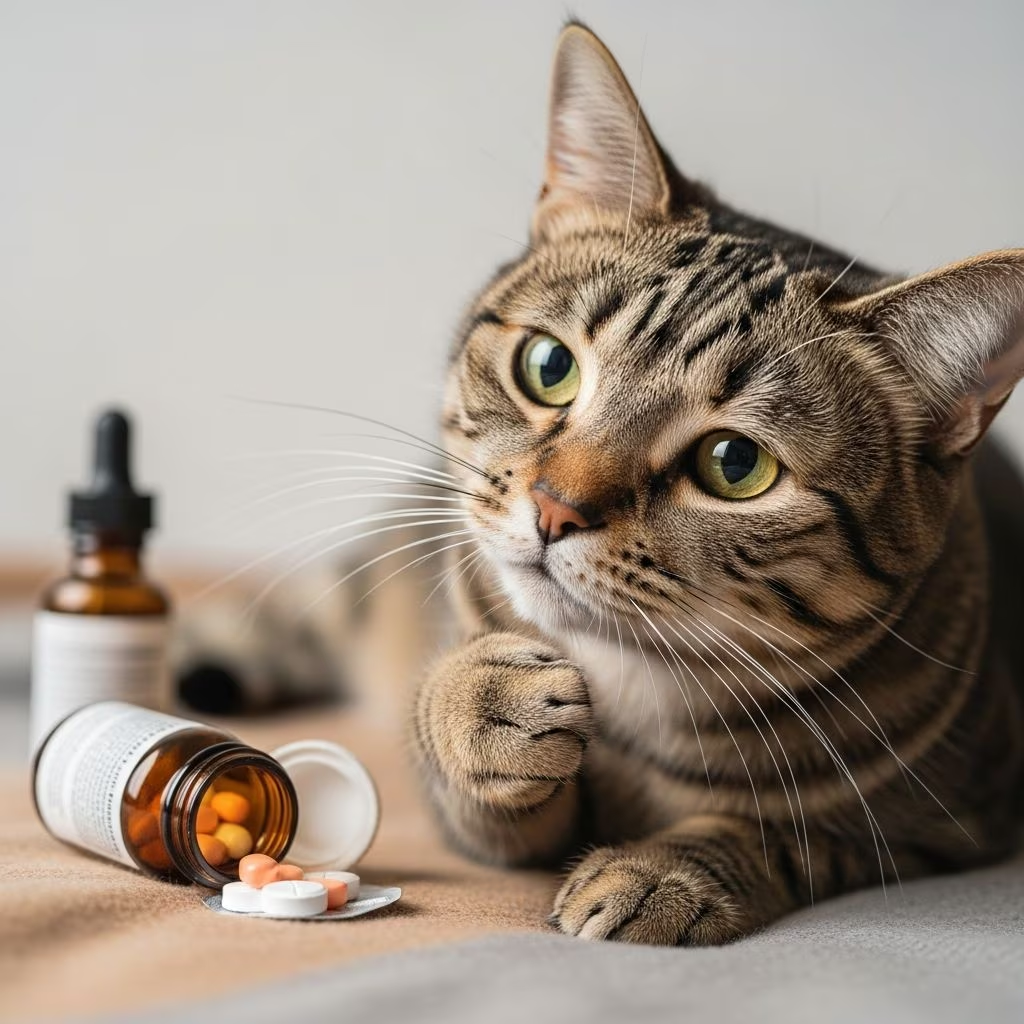
Human painkillers like aspirin are highly dangerous for cats suffering from arthritis, potentially causing severe toxicity, organ damage, or death. Instead, veterinarians advocate for specialized feline treatments such as monoclonal antibody injections, joint supplements, and rehabilitative therapies to manage pain and improve joint function effectively.
Understanding Arthritis in Feline Companions
Arthritis, or osteoarthritis, affects many older cats, leading to joint inflammation, cartilage breakdown, and chronic discomfort that hinders mobility. Cats often mask symptoms, making early detection challenging; subtle signs include reluctance to jump, altered gait, reduced grooming, and irritability. This progressive condition stems from wear-and-tear, genetics, or injuries, and while incurable, targeted interventions can significantly enhance life quality.
Prevalence is high in senior cats, with estimates suggesting up to 90% of cats over 12 years show radiographic evidence of joint degeneration. Owners might notice litter box avoidance due to pain or litter scattering from stiff movements. Prompt veterinary assessment via physical exams and imaging is crucial for tailored management plans.
Why Aspirin Is a Poor Choice for Feline Arthritis
Aspirin, a common NSAID in humans, metabolizes poorly in cats due to their deficient glucuronyl transferase enzymes, leading to prolonged drug accumulation. Even low doses risk gastric ulcers, kidney failure, bleeding disorders, and neurological issues like seizures. Veterinary literature strictly advises against its use in cats without precise dosing under supervision, and even then, safer options prevail.
- Slow metabolism: Cats excrete aspirin 10 times slower than dogs, amplifying toxicity risks.
- Gastrointestinal damage: Ulcers and perforations occur frequently.
- Organ strain: Kidneys and liver suffer, especially in dehydrated or ill cats.
Historical off-label use has declined with better alternatives; always consult a vet before any medication.
Modern Pharmaceutical Solutions for Cat Joint Pain
Veterinarians prioritize FDA-approved or vet-specific drugs for feline arthritis, focusing on minimal side effects and long-term safety.
| Treatment | Description | Administration | Benefits |
|---|---|---|---|
| Solensia (frunevetmab) | Monoclonal antibody blocking nerve growth factor for pain signals | Monthly subcutaneous injection at clinic | Reduces pain without daily dosing; FDA-approved 2022 for cats |
| Gabapentin | Neuropathic pain reliever with sedative effects | Oral, as needed | Fewer systemic effects than NSAIDs; aids anxiety too |
| Adequan (polysulfated glycosaminoglycan) | Joint protectant inhibiting destructive enzymes | Injections, home or clinic | Supports cartilage; off-label in cats but effective |
Solensia stands out for its targeted action, often yielding noticeable improvements in activity within days. Regular vet monitoring ensures optimal dosing.
Nutritional Supplements to Bolster Joint Health
Supplements form a cornerstone of multimodal therapy, providing building blocks for cartilage repair and anti-inflammatory support without pharmaceutical risks.
- Omega-3 fatty acids: From fish oil, these reduce joint inflammation; dose 250-2000mg EPA/DHA daily based on weight.
- Glucosamine/chondroitin: Promote cartilage synthesis; Cosequin is vet-recommended for proven efficacy.
- Vitamin C and herbs: Antioxidants like alfalfa or garlic aid some cats; consult for homeopathic options like Rhus tox for stiffness.
- 4CYTE Epiitalis Forte: Oral granules targeting early symptoms like reduced mobility; safe long-term adjunct.
Integrate supplements gradually, choosing vet-formulated products to avoid contaminants. Combine with diet for synergy.
Physical Rehabilitation Techniques for Arthritic Cats
Rehab therapies enhance circulation, muscle strength, and range of motion, often rivaling medications in efficacy.
- Laser therapy: Low-level lasers penetrate tissue to cut inflammation and spur healing; sessions 2-3 times weekly.
- Acupuncture: Stimulates pain-relief points; beneficial for cats intolerant to drugs.
- Massage and manual therapy: Improves flexibility; passive range-of-motion exercises at home or clinic.
- Hydrotherapy: Underwater treadmills reduce joint stress while building endurance; ideal for tolerant cats.
Certified rehab specialists customize plans, tracking progress via mobility scores. Consistency yields sustained gains.
Environmental Modifications for Daily Comfort
Simple home adjustments minimize joint strain, complementing medical care.
- Ramps or pet stairs for furniture access.
- Low-sided litter boxes and orthopedic beds.
- Weight management via measured feeding to lessen load.
- Warm, draft-free spaces to ease stiffness.
Interactive toys encourage gentle movement without overexertion. Track weight and activity to adjust as needed.
Advanced and Experimental Therapies
Emerging options offer hope for refractory cases.
- Stem cell therapy: Autologous fat-derived cells injected to curb inflammation; investigational but promising.
- Assisi Loop (tPEMF): Pulsed electromagnetic field device for home use; 15-minute sessions reduce pain.
- Chiropractic adjustments: Vet-performed spinal manipulations break adhesions.
These suit cats unresponsive to basics; vet referral essential.
Recognizing and Monitoring Arthritis Progression
Owners play a key role in management by spotting changes early.
| Early Signs | Advanced Signs | Action Steps |
|---|---|---|
| Subtle limp, less jumping | Aggression, poor appetite | Vet exam, pain scoring |
| Grooming lapses | Mobility loss | Therapy initiation |
Annual senior wellness checks with X-rays aid diagnosis. Feline pain scales guide treatment efficacy.
Holistic Diet Strategies for Joint Support
Nutrition influences inflammation; prescription diets rich in omega-3s and antioxidants prove superior.
- Prioritize lean proteins, avoid excess carbs.
- Add green-lipped mussel or turmeric for natural anti-inflammatories.
- Portion control prevents obesity, a major arthritis aggravator.
Transition diets slowly; monitor stool and energy.
Frequently Asked Questions (FAQs)
Can cats have baby aspirin for pain?
No, even low-dose aspirin risks toxicity in cats; use vet-prescribed alternatives like Solensia.
How often is Solensia given?
Monthly injections by a veterinarian; effects last 4 weeks.
Are joint supplements safe long-term?
Yes, vet-approved ones like Cosequin are; start low and monitor.
Does laser therapy hurt cats?
No, it’s painless and warming; many cats relax during sessions.
Can overweight cats benefit most from treatment?
Yes, weight loss amplifies all therapies’ impact.
Building a Comprehensive Care Plan
Optimal management blends meds, supplements, rehab, and lifestyle tweaks. Start with vet diagnostics, then layer interventions based on response. Reassess quarterly; many cats regain playfulness and comfort.
References
- Cat and Dog Arthritis: Integrative Treatment Options — Best Friends Animal Society. 2023. https://bestfriends.org/pet-care-resources/cat-and-dog-arthritis-integrative-treatment-options
- Arthritis Treatment Options For Cats — Latah Creek Animal Hospital. 2024. https://latahcreekah.com/blog/arthritis-treatment-options-for-cats/
- Some Treatment Options for Cat Arthritis — Cat Clinic of Roswell. 2023. https://www.catclinicofroswell.com/some-treatment-options-for-cat-arthritis/
- Arthritis in Cats: Vet Tips for Pain Management and Comfort — Vets Love Pets. 2024. https://vetslovepets.com.au/blogs/cat/arthritis-in-cats
- Arthritis in Cats and Dogs: Understanding and Managing the Condition — MedVet. 2024. https://www.medvet.com/arthritis-in-cats-and-dogs/
- 9 Treatments for Arthritis in Cats: Medications and More — GoodRx. 2024-01-15. https://www.goodrx.com/pet-health/cat/arthritis-treatment
- Arthritis Management — The Cat’s Meow Veterinary Hospital. 2023. https://www.catsmeowvets.com/cat-health-info/arthritis



