
Aspiration Pneumonia In Large Animals: Diagnosis And Treatment
Exploring causes, clinical signs, diagnosis, and management strategies for aspiration pneumonia in horses, cattle, and other large animals.
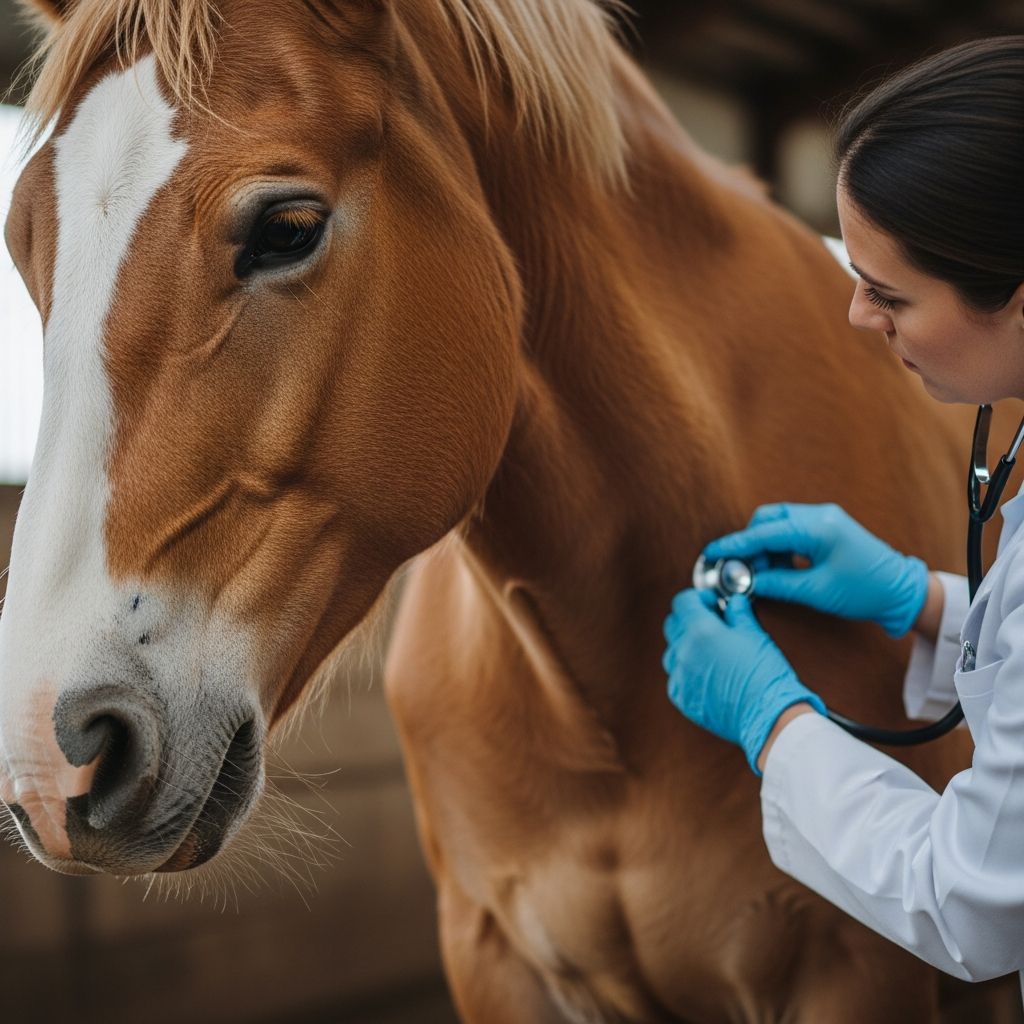
Aspiration pneumonia represents a critical respiratory condition in large animals, occurring when foreign substances like feed, fluids, or gastric contents enter the lungs, sparking inflammation and secondary bacterial infections. This disorder frequently affects horses, cattle, sheep, and goats, potentially leading to severe respiratory compromise if not addressed promptly.
Understanding the Pathophysiology
The lungs of large animals rely on precise mechanisms to direct air into the trachea while routing food and water through the esophagus. Disruption of this separation allows particulate matter or liquids to bypass protective reflexes, landing in the bronchi and alveoli. There, acidic gastric juices or contaminated oropharyngeal secretions provoke an intense inflammatory response, damaging delicate lung tissues and impairing gas exchange.
Inflammation triggers surfactant dysfunction, where the lung’s natural lubricant fails, causing alveolar collapse (atelectasis) and reduced oxygen uptake. Bacterial overgrowth follows, exacerbating the damage and potentially evolving into acute respiratory distress syndrome (ARDS). In large animals, the extensive lung capacity amplifies the impact, as even modest aspiration volumes can distribute widely due to gravity-dependent positioning during recumbency.
Primary Risk Factors in Farm and Performance Animals
Several scenarios heighten susceptibility in large animals. General anesthesia without proper fasting remains a leading culprit, as unconsciousness dulls swallowing reflexes, permitting regurgitation into the airway. Esophageal disorders, such as megaesophagus in horses or cattle with motility issues, promote chronic regurgitation.
- Anesthesia-related events: Common in colic surgeries for horses or routine procedures in cattle, where pre-operative fasting is overlooked.
- Feeding practices: Force-feeding debilitated animals or improper drenching with oral medications increases mishap risks.
- Neurological impairments: Conditions like botulism or tetanus in cattle diminish protective gag reflexes.
- Respiratory anomalies: Laryngeal paralysis, prevalent in aged horses, hinders effective airway closure during swallowing.
- Post-surgical recovery: Prolonged recumbency in large animals post-operation facilitates dependent lobe aspiration.
Breeds like draft horses or mature bulls appear predisposed due to anatomical features favoring regurgitation under stress.
Recognizing Clinical Manifestations
Early detection hinges on observing subtle shifts in behavior and respiration. Affected animals often display increased respiratory rate (tachypnea), exaggerated abdominal breathing efforts, and nasal flaring. A harsh, moist cough may produce frothy sputum, while fever signals advancing infection.
| Symptom | Description | Species-Specific Notes |
|---|---|---|
| Coughing | Productive with mucus | Horses: Harsh, frequent; Cattle: Deep, rumbling |
| Respiratory Distress | Labored breathing, cyanosis | Goats/Sheep: Rapid shallow breaths |
| Fever | Above 102°F (38.9°C) | Common in all large species |
| Lethargy | Reduced appetite, depression | Horses may show colic-like signs |
| Abnormal Lung Sounds | Crackles, wheezes | Auscultation key in field settings |
In advanced stages, hypoxemia manifests as blue mucous membranes, weakness, and collapse, demanding immediate intervention.
Diagnostic Approaches
Veterinarians employ a multi-modal strategy for confirmation. History review focuses on recent anesthesia, feeding incidents, or chronic regurgitation. Physical exams reveal elevated temperature, harsh lung sounds ventrally, and systemic dehydration.
Thoracic radiography stands as the cornerstone, unveiling cranioventral consolidation patterns indicative of aspiration—often absent in early phases but pronounced later. Ultrasonography aids in detecting pleural effusion or abscesses, particularly useful in field conditions for large animals.
Advanced diagnostics include:
- Tracheal washes or bronchoalveolar lavage for cytology and culture, identifying pathogens like Streptococcus or Anaerobes.
- Arterial blood gas analysis to quantify hypoxemia (PaO2 <80 mmHg).
- Endoscopy to visualize laryngeal function and esophageal integrity.
Differentiating from infectious or traumatic pneumonia relies on aspiration-specific radiographic opacities and historical context.
Treatment Protocols and Supportive Care
Management prioritizes stabilization, infection control, and addressing underlying causes. Hospitalization in padded stalls prevents further trauma, with intravenous fluids correcting dehydration and acid-base imbalances.
Antimicrobial Therapy: Broad-spectrum coverage targets anaerobes and aerobes; common choices include penicillin with metronidazole or ceftiofur. Therapy guides by culture results, spanning 2-4 weeks.
Respiratory Support:
- Oxygen supplementation via nasal cannula (40-60% FiO2) for hypoxemic patients.
- Nebulized bronchodilators and mucolytics to clear airways.
- Ventilatory assistance in refractory ARDS cases at referral centers.
Anti-inflammatories like flunixin meglumine reduce chemical pneumonitis, while gastroprotectants mitigate ongoing reflux risks.
Prevention Strategies for Herd and Stable Health
Proactive measures significantly curb incidence. Pre-anesthetic fasting (12-24 hours for solids, 8 for liquids) in horses and cattle remains non-negotiable. Elevate heads during recovery to leverage gravity against aspiration.
For at-risk individuals:
- Bailey chairs or vertical slings for horses with megaesophagus.
- Slow-drench techniques and upright positioning post-medication.
- Surgical interventions like partial laryngectomy for paralyzed larynx.
- Nutritional management with slurry feeds via nasogastric tubes under supervision.
Herd-level vaccination against predisposing infections and routine esophageal screenings enhance resilience.
Prognosis and Long-Term Outlook
Outcomes vary with aspiration volume, timeliness of care, and comorbidities. Acute cases post-anesthesia often resolve fully with <10% mortality, per veterinary reports. Recurrent aspirators, however, face 25-50% fatality rates without corrective measures.
Survivors may develop chronic fibrosis, necessitating ongoing monitoring via serial imaging. Early intervention and owner education on risks yield the best recoveries, preserving performance and productivity.
Frequently Asked Questions (FAQs)
What triggers aspiration pneumonia most often in horses?
General anesthesia during colic surgery tops the list, followed by esophageal reflux in debilitated patients.
Can cattle recover fully from this condition?
Yes, with prompt antibiotics and support, most do; however, underlying dysphagia worsens recurrence odds.
How do I spot early signs in a goat herd?
Watch for tachypnea, cough after feeding, and fever; isolate suspects for veterinary evaluation.
Is surgery ever needed for treatment?
Rarely for pneumonia itself, but yes for root causes like laryngeal ties or esophageal obstructions.
What’s the typical antibiotic course duration?
2-6 weeks, tailored by culture sensitivity and clinical response.
Key Takeaways for Veterinarians and Owners
- Prioritize fasting protocols before any sedation.
- Monitor recumbent animals closely post-procedure.
- Integrate diagnostics swiftly upon respiratory symptom onset.
- Address predisposing conditions proactively to avert repeats.
References
- Bacterial Pneumonia in Dogs and Cats: An Update — National Center for Biotechnology Information (PMC). 2020-03-19. https://pmc.ncbi.nlm.nih.gov/articles/PMC7114575/
- Aspiration Pneumonitis and Pneumonia — Veterian Key. 2016-11-01. https://veteriankey.com/aspiration-pneumonitis-and-pneumonia/
- Aspiration Pneumonia in Pets and People — dvm360. 2023-01-15. https://www.dvm360.com/view/aspiration-pneumonia-in-pets-and-people
- Aspiration Pneumonia in Dogs — PetMD. 2024-05-10. https://www.petmd.com/dog/conditions/respiratory/aspiration-pneumonia-dogs
- What To Know About Aspiration Pneumonia In Pets — Texas A&M College of Veterinary Medicine & Biomedical Sciences. 2023-08-22. https://vetmed.tamu.edu/news/pet-talk/aspiration-pneumonia-in-pets/
Similar Articles








Read full bio of medha deb


