

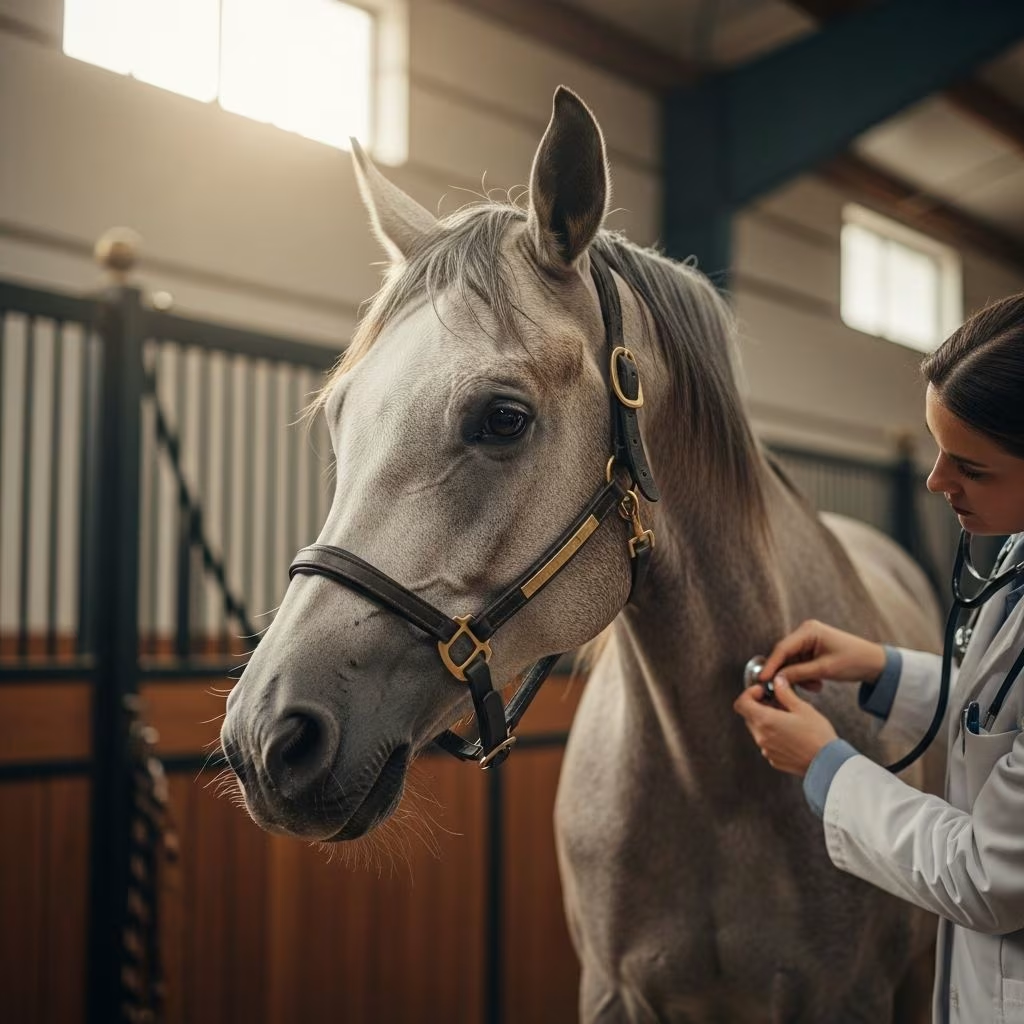
Aspiration pneumonia represents a critical respiratory challenge in horses, arising when foreign substances such as food, saliva, water, or medications enter the lungs instead of the stomach. This condition triggers severe inflammation and bacterial infection, potentially leading to life-threatening complications if not addressed swiftly. Horse owners must recognize its gravity, as early intervention dramatically improves outcomes.
Understanding the Mechanisms Behind Aspiration
The equine respiratory system relies on precise swallowing reflexes to direct material away from the airways. When this process fails, particles bypass the epiglottis and travel into the trachea and bronchi, creating an ideal environment for bacterial proliferation in the warm, moist lung tissue. Unlike typical bacterial pneumonia, aspiration cases often involve mixed infections from oral or environmental contaminants.
Several physiological and procedural factors heighten vulnerability. In young foals, congenital anomalies disrupt normal ingestion, while adult horses face risks from acute events like esophageal blockages. The volume and nature of aspirated material—acidic stomach contents, grain particles, or oily drenches—further dictate the inflammatory response intensity.
Primary Risk Factors and Triggers
- Esophageal Obstruction (Choke): The leading cause, where feed accumulates in the esophagus, refluxes, and spills into the trachea. Prolonged choke episodes exponentially increase pneumonia risk.
- Improper Nasogastric Tubing: Misplaced tubes during colic treatment deliver fluids directly into the lungs. Only veterinarians should perform this procedure.
- Swallowing Disorders: Conditions like cleft palate in foals, laryngeal paralysis, dental pain, or neurological deficits impair deglutition.
- General Anesthesia or Sedation: Loss of airway protection allows regurgitation and inhalation.
- Rapid Oral Dosing: Administering liquids faster than the horse can swallow, common with dewormers or oils.
Foals face unique threats from milk inhalation due to birth complications or bottle-feeding errors, underscoring the need for vigilant neonatal care.
Clinical Manifestations Across Stages
Symptoms evolve rapidly post-aspiration, categorized into acute, subacute, and chronic phases for clarity.
Acute Phase (Immediate to 48 Hours)
Signs emerge within minutes: harsh coughing, flared nostrils, rapid shallow breathing (tachypnea), and frothy nasal discharge possibly containing feed debris. Affected horses exhibit fever (above 102°F), elevated heart rate, lethargy, and in severe cases, cyanosis (bluish gums) or collapse. Respiratory distress may cause open-mouth breathing or abdominal effort.
Subacute Phase (Days 3-7 Untreated)
If overlooked, symptoms intensify with persistent cough, purulent nasal discharge (yellow-green), reduced appetite, and weight loss. Lung sounds reveal crackles or wheezes on auscultation, signaling consolidation.
Chronic Phase (Beyond One Week)
Untreated cases develop abscesses, pleural effusion, or fibrosis, manifesting as exercise intolerance, chronic fever, and systemic toxemia. Long-term sequelae include scarred lungs and recurrent infections.
| Phase | Key Symptoms | Duration |
|---|---|---|
| Acute | Cough, fever, tachypnea, nasal discharge | 0-48 hours |
| Subacute | Lethargy, anorexia, crackles | 3-7 days |
| Chronic | Weight loss, dyspnea, abscesses | >7 days |
This table illustrates the urgency of early detection, as progression worsens prognosis.
Diagnostic Approaches for Confirmation
Veterinarians employ a multi-modal strategy combining history, exam, and advanced imaging. A recent choke, tubing, or dosing event strongly suggests aspiration.
- Physical Exam: Monitors vital signs, auscultates lungs for adventitious sounds, checks mucous membranes.
- Thoracic Radiography/Ultrasound: Reveals consolidation, fluid, or abscesses; ultrasound excels for pleural effusion.
- Tracheal Wash/Bronchoalveolar Lavage: Cytology identifies bacteria, neutrophils; culture guides antibiotic selection.
- Complete Blood Count (CBC)/Chemistry: Leukocytosis, hyperglobulinemia indicate infection.
- Endoscopy: Visualizes tracheal debris or inflammation.
Early diagnostics enable targeted therapy, averting chronic damage.
Therapeutic Interventions and Management
Treatment demands hospitalization for severe cases, focusing on infection control, inflammation reduction, and supportive care. Prognosis is guarded but improves with prompt, aggressive action—survival rates exceed 70% in acute detections.
- Antibiotics: Broad-spectrum IV (e.g., penicillin + gentamicin) pending cultures; preemptively post-suspected aspiration.
- Anti-inflammatories/NSAIDs: Flunixin meglumine curbs fever and pleuritis.[10]
- Supportive Fluids/Oxygen: Corrects dehydration, hypoxemia via nasal cannula.
- Drainage Procedures: Thoracocentesis removes pleural fluid; chest tubes for recalcitrant effusions.
- Nutrition: Nasogastric or parenteral feeding bypasses swallowing issues.
- Adjuncts: Nebulized bronchodilators, mucolytics aid clearance.[10]
Monitor progress with serial ultrasounds and bloodwork; weaning antibiotics requires culture confirmation.
Complications and Long-Term Outlook
Despite intervention, risks persist: lung abscesses, pleuropneumonia, laminitis from toxemia, sepsis, or permanent fibrosis reducing performance. Chronic carriers face recurrent bouts, necessitating ongoing vigilance.
Proactive Prevention Strategies
Foremost, avert aspiration through husbandry and procedural safeguards.
- Feed in quiet settings; use larger hay nets to slow intake, reducing choke.
- Administer orals slowly, confirming swallowing.
- Schedule regular dental checks to ensure mastication.
- Restrict intubation to vets; post-procedure, withhold feed 24-48 hours if indicated.
- For foals, employ proper nursing techniques; screen for palatal defects.
- Maintain anesthesia protocols with cuffed endotracheal tubes.
Horses with dysphagia histories benefit from softened feeds or dietary consults.
Frequently Asked Questions (FAQs)
Is aspiration pneumonia contagious in horses?
No, it stems from mechanical inhalation, not pathogen transmission between horses.
How quickly do symptoms appear after aspiration?
Often within hours; acute distress can onset in minutes.
Can aspiration pneumonia resolve without treatment?
Rarely; most progress to severe infection without veterinary care.
What is the survival rate with prompt treatment?
Generally favorable (60-80%), depending on aspiration volume and timeliness.
Should I give antibiotics at home if choke occurs?
No—consult a vet immediately for assessment; self-treatment risks resistance.
Key Takeaways for Horse Owners
Vigilance post-choke or procedures, rapid vet notification on respiratory signs, and adherence to safe practices mitigate this peril. Routine health checks fortify resilience against predisposing factors.
References
- Aspiration Pneumonia in Horses: Diagnosis, Treatment & Prevention — YouTube (Equine Professional Video). 2023. https://www.youtube.com/watch?v=7QgIuwhEipQ
- Aspiration Pneumonia in Horses – Causes, Treatment — Vetster. Accessed 2026. https://vetster.com/en/conditions/horse/aspiration-pneumonia
- Aspiration Pneumonia in Horses — PetMD. 2024. https://www.petmd.com/horse/conditions/respiratory/aspiration-pneumonia-horses
- Vet’s 2025 Guide to Aspiration Pneumonia in Horses — AskAVet (Dr. Duncan Houston). 2025-01-01. https://askavet.com/blogs/news/vet-s-2025-guide-to-aspiration-pneumonia-in-horses-by-dr-duncan-houston
- Aspiration Pneumonia in Horses – Horse Owners — Merck Veterinary Manual. 2024. https://www.merckvetmanual.com/horse-owners/lung-and-airway-disorders-of-horses/aspiration-pneumonia-in-horses
- Lung: pneumonia – aspiration in Horses (Equis) — Vetlexicon Equis. Accessed 2026. https://www.vetlexicon.com/equis/respiratory/articles/lung-pneumonia-aspiration/
- Equine Pneumonia: Causes, Symptoms & Treatment — Mad Barn. 2024. https://madbarn.com/equine-pneumonia/



