

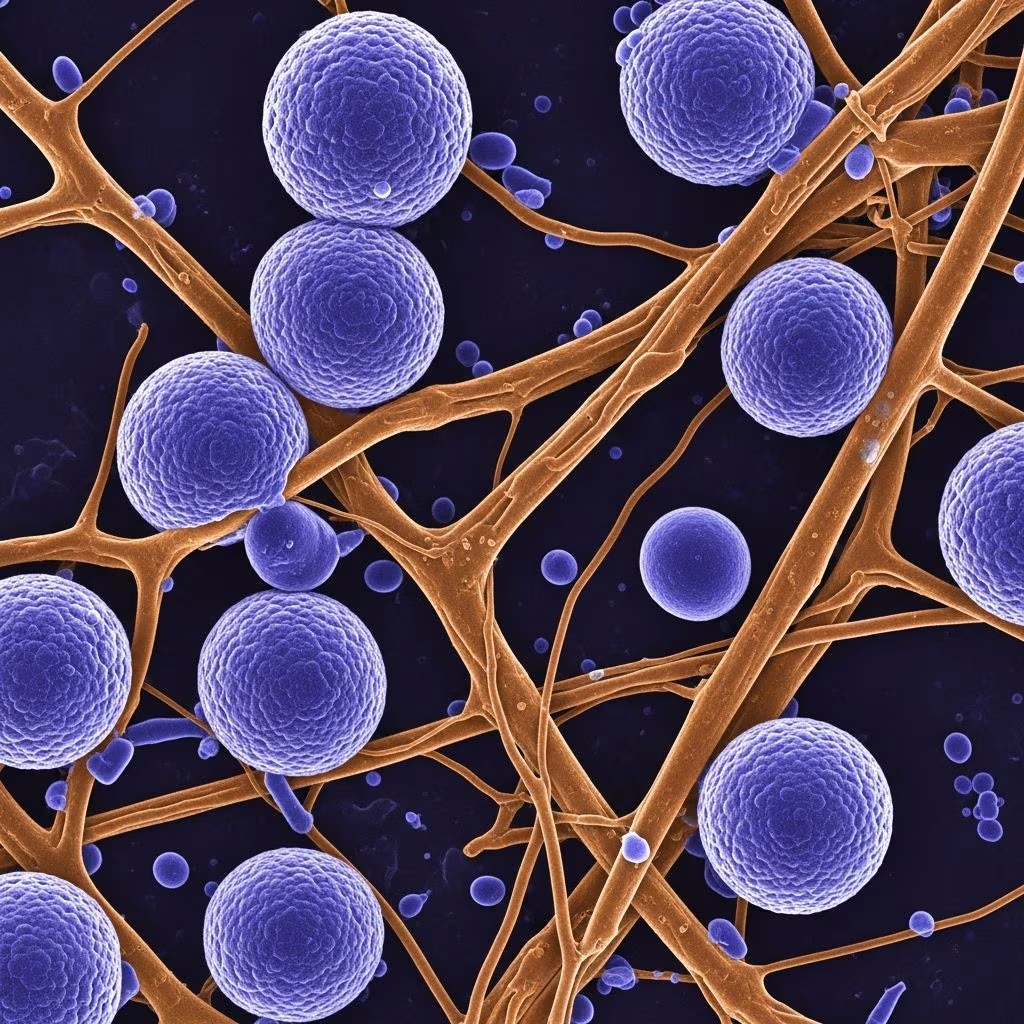
Aspergillosis represents one of the most prevalent fungal infections encountered in veterinary practice, stemming from exposure to Aspergillus species ubiquitous in the environment. These molds thrive in decaying vegetation, soil, and organic matter, posing risks to a wide array of animals through inhalation of spores. While often opportunistic, aspergillosis can manifest as localized or systemic disease, with varying severity across species. Understanding its pathogenesis, clinical presentations, and management strategies is crucial for timely intervention.
The Nature of Aspergillus and Infection Pathways
Aspergillus fungi are saprophytic molds found worldwide, with A. fumigatus being the predominant pathogen in animals due to its thermotolerance and prolific spore production. Infection typically initiates via inhalation of conidia, which germinate in the respiratory tract. In immunocompromised hosts, hyphae invade tissues, leading to destructive lesions. Localized forms affect sinuses or lungs, while dissemination occurs in severe cases, targeting bones, kidneys, and nervous system.
- Environmental Sources: Compost, hay, birdseed, and construction dust amplify spore concentrations.
- Host Factors: Immunosuppression, young age, or breed predispositions heighten susceptibility.
- Transmission: Primarily airborne; no direct animal-to-animal spread documented.
Clinical Manifestations Across Species
Aspergillosis presents diversely depending on the animal species and infection site. In companion animals, respiratory and nasal involvement predominates, whereas in birds and large animals, systemic effects are more common.
Dogs: Nasal and Disseminated Forms
Canine aspergillosis frequently localizes to the nasal cavity, especially in dolichocephalic breeds like German Shepherds. Symptoms include chronic sanguinopurulent discharge, sneezing, nasal pain, and epistaxis. Radiographs reveal turbinate destruction. Disseminated disease, often involving A. terreus, affects middle-aged females of this breed, causing lameness, draining tracts, fever, weight loss, and neurological signs like ataxia.
| Form | Common Signs | Predisposed Breeds |
|---|---|---|
| Nasal | Unilateral discharge, ulceration of nares | Dolichocephalic (e.g., Shepherds) |
| Disseminated | Lameness, hematuria, neuro deficits | German Shepherd females |
Cats: Sino-Nasal and Orbital Involvement
Feline cases are rarer but severe, often sino-nasal or sino-orbital aspergillosis (SOA). A. fumigatus or A. felis causes facial swelling, nasal discharge, sneezing, and ocular issues. Orbital extension leads to exophthalmos and vision loss. Cats with underlying retroviral infections are at higher risk.
Horses: Guttural Pouch Mycosis
In equines, aspergillosis targets the guttural pouch, presenting as epistaxis, dysphagia, and cranial nerve deficits. Endoscopy reveals fungal plaques on the pouch mucosa, risking fatal hemorrhage from carotid erosion.
Cattle and Ruminants: Abortion and Mastitis
Bovine aspergillosis induces mycotic abortion, with fetuses showing autolysis and fungal hyphae in placenta. Mastitis yields granulomatous udder lesions. Spores contaminate feed or bedding.
Birds and Exotic Species: Pulmonary Granulomas
Avian aspergillosis is a leading killer in captive birds, manifesting as dyspnea, tail bobbing, and weight loss. Granulomas form in air sacs and lungs. Zoo animals and wildlife face similar respiratory distress.
Diagnostic Approaches: From Imaging to Molecular Tools
Diagnosis hinges on combining clinical suspicion with confirmatory tests, as Aspergillus is environmentally omnipresent. Tissue invasion proof is gold standard.
- Imaging: CT/MRI for sino-nasal in dogs/cats; endoscopy for equine pouches; radiography/ultrasound for dissemination.
- Cytology/Histopathology: Hyphae in biopsies (septate, branching at 45°).
- Culture: Sabouraud agar yields characteristic colonies.
- Antigen Detection: Serum/urine galactomannan assay sensitive for canine disseminated disease, though cross-reactivity noted.
- Molecular: PCR for species ID, vital for azole resistance.
Common lab findings in disseminated cases: neutrophilia, anemia, hyperglobulinemia, azotemia.
Treatment Strategies: Antifungals and Supportive Care
Therapy varies by form and species, prioritizing azoles for their efficacy and oral availability. Success rates improve with multimodal approaches.
Localized Nasal Aspergillosis in Dogs
Optimal protocol: Surgical/rhinoendoscopic debridement followed by topical antifungals. Clotrimazole infusion via sinus trephination achieves 70-90% cure. Itraconazole systemically as adjunct.
Disseminated and Systemic Disease
Poor prognosis; itraconazole, voriconazole, posaconazole, or terbinafine for months. Amphotericin B for refractory cases, monitoring nephrotoxicity. Euthanasia common due to CNS/pain.
| Drug | Primary Use | Species | Notes |
|---|---|---|---|
| Itraconazole | First-line systemic | Dogs, cats, birds | Monitor liver enzymes |
| Voriconazole | Resistant strains | Dogs, horses | IV/oral; retinal toxicity |
| Enilconazole | Topical nasal | Dogs, bovines | Infusion protocol |
| Amphotericin B | Disseminated | Dogs | Liposomal preferred |
Species-Specific Protocols
Horses: Surgical ligation of carotid + topical enilconazole. Birds: Itraconazole nebulization + surgery. Cattle: Systemic azoles for mastitis.
Challenges include azole resistance emergence, urging One Health surveillance.
Prevention and Control Measures
Minimize spore exposure: Reduce moldy feed, improve ventilation, quarantine immunocompromised animals. Routine antifungal prophylaxis not recommended due to resistance risks. Breeders of predisposed dogs should screen.
- Clean environments regularly.
- Avoid high-spore areas during outbreaks.
- Vaccination research ongoing but unavailable.
Prognosis and Long-Term Outlook
Localized nasal aspergillosis: Good with aggressive therapy (80% success). Disseminated: Guarded to poor (20-50% survival). Early detection pivotal. Relapses demand prolonged monitoring.
Frequently Asked Questions (FAQs)
What animals are most at risk for aspergillosis?
German Shepherd dogs, captive birds, horses with guttural pouches, and immunocompromised pets.
Can aspergillosis spread between animals?
No, it’s environmentally acquired via spores, not contagious.
How is aspergillosis diagnosed in dogs?
CT scans, fungal culture, galactomannan antigen test.
What is the best treatment for nasal aspergillosis?
Debridement + clotrimazole infusion.
Is aspergillosis curable in birds?
Often challenging; early itraconazole improves odds.
Emerging Concerns: Resistance and One Health
Azole fungicides in agriculture drive resistance in animal Aspergillus isolates, complicating therapy. Veterinary use contributes to human risk, necessitating judicious prescribing and surveillance. Multisectoral strategies are essential.
References
- A Review of Systemic Aspergillosis in Dogs — MiraVista Veterinary Diagnostics. 2023. https://miravistavets.com/fungal-diseases/aspergillus/review-systemic-aspergillosis-in-dogs/
- Aspergillus spp., aspergillosis and azole usage in animal species — Medical Mycology, Oxford Academic. 2025-01-28. https://academic.oup.com/mmy/article/63/2/myaf009/7994408
- Aspergillosis in Animals — Merck Veterinary Manual, Merck & Co. 2026. https://www.merckvetmanual.com/infectious-diseases/fungal-infections/aspergillosis-in-animals
- Diagnostic Aspects of Veterinary and Human Aspergillosis — PMC (NCBI). 2018-06-29. https://pmc.ncbi.nlm.nih.gov/articles/PMC6022203/
- Aspergillosis in Dogs — VCA Animal Hospitals. 2023. https://vcahospitals.com/know-your-pet/aspergillosis-in-dogs



