

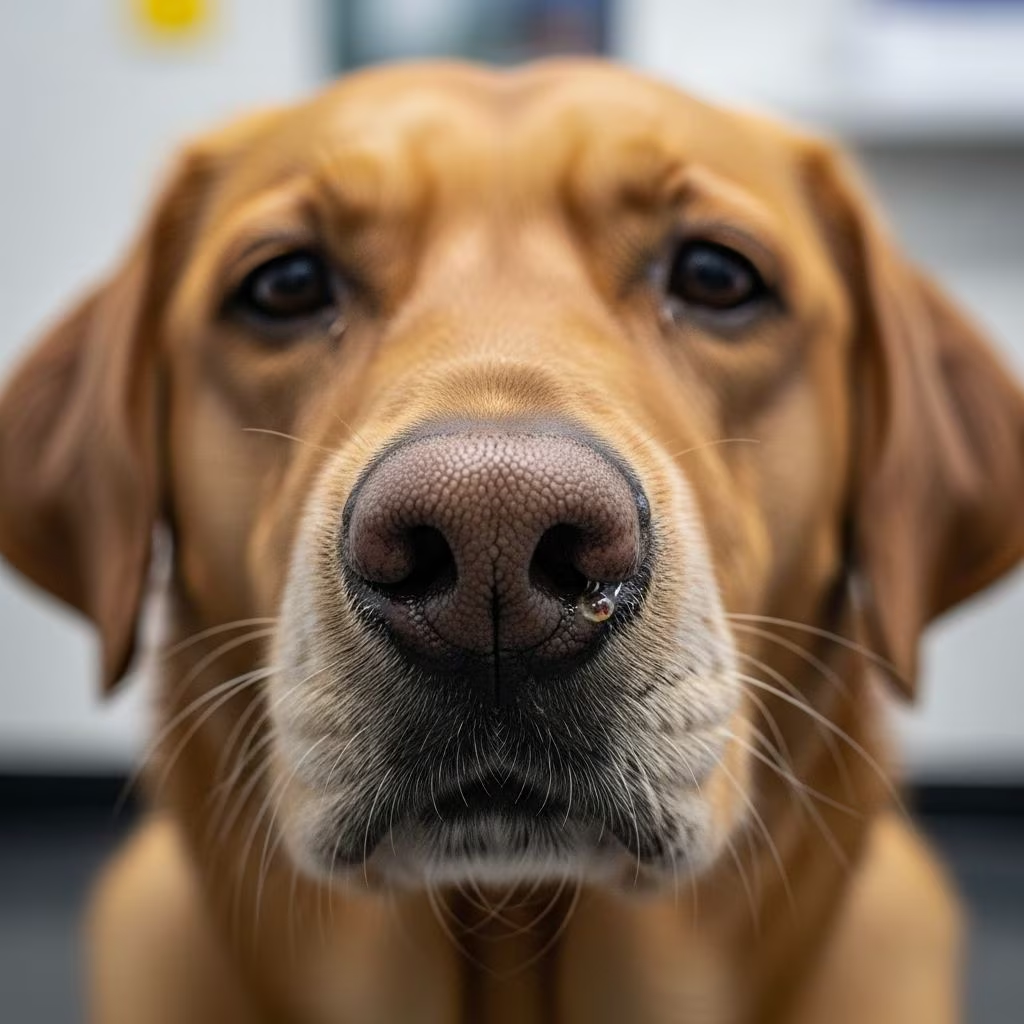
Understanding Aspergillosis in Dogs
Aspergillosis is a fungal infection caused by the Aspergillus species that affects dogs worldwide. This condition can manifest in different forms depending on where the fungal infection takes hold in your dog’s body. The most common type is nasal aspergillosis, which accounts for a significant proportion of nasal diseases in dogs. While less common, disseminated aspergillosis (affecting multiple body systems) can occur, particularly in immunocompromised dogs. Understanding this condition is essential for dog owners because early detection and treatment can significantly improve outcomes and your pet’s quality of life.
What is Aspergillosis?
Aspergillosis is a fungal infection caused by organisms from the Aspergillus genus, most commonly Aspergillus fumigatus. These fungi are environmental organisms found in soil, decaying vegetation, and other natural settings. Dogs typically inhale fungal spores, which can colonize the nasal cavity and sinuses, leading to nasal aspergillosis. In some cases, particularly when a dog’s immune system is compromised, the infection can spread to other body systems, resulting in disseminated aspergillosis that affects the lungs, eyes, skin, and central nervous system.
Types of Aspergillosis in Dogs
Nasal Aspergillosis is by far the most frequently encountered form of this infection in dogs. It occurs when fungal spores establish themselves in the nasal passages and paranasal sinuses. This localized infection typically does not spread to other parts of the body but can be quite distressing for affected dogs and challenging to treat if left unaddressed.
Disseminated Aspergillosis is a more serious form where the fungal infection spreads throughout the body, potentially affecting multiple organs including the lungs, brain, eyes, and skin. This systemic form is less common but more severe and typically occurs in dogs with weakened immune systems, such as those with cancer, undergoing immunosuppressive therapy, or suffering from other serious conditions.
Clinical Signs and Symptoms
The symptoms of aspergillosis vary depending on the type and severity of infection. Recognizing these signs early can make a significant difference in treatment success.
Nasal Aspergillosis Symptoms
Dogs with nasal aspergillosis typically experience the following symptoms:
- Chronic nasal discharge (often unilateral or one-sided initially)
- Epistaxis (nosebleeds or bloody nasal discharge)
- Frequent sneezing or reverse sneezing
- Facial pain or sensitivity around the nose area
- Nasal depigmentation or loss of normal pigmentation on the nose
- Nasal asymmetry or deformity of the nasal structure
- Lethargy and reduced activity levels
- Decreased appetite
- Submandibular lymph node enlargement
Some dogs may exhibit facial swelling or reluctance to eat hard foods due to pain associated with the infection.
Disseminated Aspergillosis Symptoms
When aspergillosis spreads to other body systems, symptoms can be much more varied and severe:
- Lethargy and depression
- Coughing and respiratory difficulty
- Loss of appetite and weight loss
- Fever
- Lameness or difficulty walking
- Blood in urine
- Eye problems or discharge
- Skin lesions, particularly around the toenails
- Neurological signs such as seizures, disorientation, or abnormal behavior
- Nasal discharge and nosebleeds
Diagnosis of Aspergillosis
Accurate diagnosis is crucial for effective treatment. Veterinarians use multiple diagnostic approaches to confirm aspergillosis and assess its extent.
Diagnostic Procedures
Physical Examination: Your veterinarian will perform a thorough physical examination, noting any nasal discharge, depigmentation, swelling, or other abnormalities. They will assess your dog’s overall condition and check for signs of systemic involvement.
Imaging Studies: Computed tomography (CT) scans are considered the gold standard for diagnosing nasal aspergillosis. CT imaging allows veterinarians to visualize the nasal cavity, sinuses, and surrounding structures with great detail, revealing characteristic patterns of fungal infection such as fluid accumulation, bone loss, and fungal plaques. X-rays may also be used but are less sensitive than CT for detecting early disease.
Rhinoscopy: This procedure involves inserting a small camera (endoscope) into the nasal passage to directly visualize the nasal cavity and sinuses. During rhinoscopy, the veterinarian can observe fungal plaques (white or yellow crusty material), inflammation, and discharge. This procedure also allows for direct sampling of affected tissue.
Fungal Culture: Samples obtained during rhinoscopy or from nasal discharge can be cultured to identify the specific fungal organism. While Aspergillus fumigatus is most common, identifying the exact species can help guide treatment decisions.
Histopathology: Tissue samples can be examined microscopically to identify fungal elements and confirm the diagnosis, particularly important when distinguishing aspergillosis from other nasal conditions.
Cytology: Microscopic examination of nasal discharge or samples may reveal fungal elements, helping to support the diagnosis.
Treatment Options for Aspergillosis
Treatment approaches differ significantly between nasal and disseminated aspergillosis. The goal is to eliminate the fungal infection while minimizing side effects and improving your dog’s quality of life.
Nasal Aspergillosis Treatment
Topical Antifungal Therapy is considered the treatment of choice for nasal aspergillosis. This approach delivers antifungal medication directly to the affected nasal passages and sinuses, achieving high drug concentrations at the site of infection while minimizing systemic side effects.
Before topical treatment, your veterinarian will typically perform rhinoscopic debridement, which involves using the endoscope to remove fungal plaques, necrotic tissue, and debris from the nasal passages. This debridement improves treatment effectiveness by reducing the fungal burden and improving contact between the antifungal medication and affected tissues.
Clotrimazole is generally considered the first-line topical antifungal agent for treating nasal aspergillosis. It can be administered through indwelling tubes placed in the frontal sinuses or through the nares (nostrils) as a single infusion. Recent studies have demonstrated an 80% success rate with clotrimazole infusions. The medication must maintain contact with the affected tissues for an adequate period (typically at least one hour) to be effective.
Enilconazole is another effective topical antifungal agent used in some cases. Studies show that enilconazole resolves clinical disease in approximately 57% of dogs after one treatment and up to 94% after multiple treatments.
Treatment protocols vary, but many dogs require one to three topical antifungal instillations. Some dogs with bilateral sinus involvement may require additional treatments. Clinical remission rates of 85% to 94% are reported using these topical techniques combined with proper debridement.
Disseminated Aspergillosis Treatment
Systemic Antifungal Medications are necessary when aspergillosis has spread beyond the nasal cavity to affect other body organs. These oral or injectable medications circulate throughout the body to reach infected tissues.
Itraconazole is commonly used for systemic aspergillosis treatment. However, oral antifungal medications are expensive and frequently cause side effects. Potential adverse reactions include anorexia (loss of appetite), vomiting, and hepatotoxicity (liver damage). Regular monitoring of liver function through blood tests is essential during long-term treatment.
Amphotericin B is another systemic antifungal option, particularly for severe disseminated infections. It can be administered intravenously and is effective against many fungal infections, though it also carries potential for serious side effects including kidney and liver toxicity.
Posaconazole represents a newer antifungal option that may be used in some cases of disseminated aspergillosis.
Systemic antifungal therapy often requires administration for extended periods—sometimes months or even years. Treatment success rates are moderate at best, particularly compared to topical therapy for nasal disease.
Supportive Care
Regardless of treatment approach, supportive care is often necessary to manage symptoms and support your dog’s recovery:
- Pain relief medications to manage facial pain and discomfort
- Intravenous (IV) fluid therapy if your dog is dehydrated or unable to eat
- Secondary antibiotics if bacterial infections develop
- Nutritional support through appropriate diet modifications
- Rest and limited activity during acute phases of illness
Treatment Complications and Adverse Effects
While modern treatment protocols are effective, certain complications and side effects can occur. After topical antifungal treatment, some dogs may experience bloody or creamy nasal discharge for up to one week (typically lasting 3-5 days). Increased reverse sneezing may also occur temporarily. These effects are generally minor and resolve as healing progresses.
Systemic antifungal medications carry more significant potential for adverse effects, including gastrointestinal upset, liver damage, and decreased appetite. Regular veterinary monitoring through blood work is essential when using these medications.
Prognosis and Recovery
The prognosis for nasal aspergillosis is generally good with appropriate treatment. Most dogs experience significant improvement or resolution of clinical signs following topical antifungal therapy. Many achieve complete remission, with some dogs requiring only a single treatment while others need multiple instillations.
The prognosis for disseminated aspergillosis is more guarded because the infection affects multiple organs and is typically more difficult to treat. Success depends on factors including the extent of disease, your dog’s immune status, and response to systemic antifungal therapy.
Prevention and Management
While it is difficult to completely prevent exposure to environmental Aspergillus spores, certain measures may help reduce risk:
- Minimize your dog’s exposure to moldy environments, damp basements, and areas with excessive organic debris
- Maintain good ventilation in your home
- Keep your dog’s living environment clean and dry
- Ensure your dog maintains good overall health through proper nutrition and routine veterinary care, which supports a strong immune system
- Avoid unnecessary immunosuppressive treatments when possible
Frequently Asked Questions About Canine Aspergillosis
Q: Can aspergillosis in dogs spread to humans?
A: While Aspergillus organisms can affect humans, direct transmission from an infected dog to humans is extremely rare. Humans typically acquire aspergillosis through environmental exposure to fungal spores rather than from infected pets.
Q: How long does aspergillosis treatment take?
A: For nasal aspergillosis, topical treatment may require one to three instillations over several weeks. For disseminated aspergillosis, systemic antifungal therapy may need to continue for months or even years, requiring ongoing veterinary monitoring.
Q: Is aspergillosis fatal in dogs?
A: Uncomplicated nasal aspergillosis is rarely fatal when properly treated. However, disseminated aspergillosis, particularly with central nervous system involvement, carries a more serious prognosis and can be life-threatening without aggressive treatment.
Q: What are the costs associated with treating aspergillosis?
A: Treatment costs vary depending on the type of aspergillosis and treatment approach. Diagnostic procedures (CT scans and rhinoscopy) can be expensive. Topical treatment may be more affordable than systemic therapy, but costs can still be substantial.
Q: Can aspergillosis recur after treatment?
A: Recurrence is possible but uncommon with appropriate topical treatment. Dogs that are cured after topical therapy generally remain cured. However, systemic antifungal therapy may have higher recurrence rates if the underlying cause of immunosuppression is not addressed.
Q: Which dogs are at higher risk for aspergillosis?
A: Dogs with compromised immune systems, including those with cancer, undergoing chemotherapy, or on long-term immunosuppressive medications, face higher risk. Dogs with chronic nasal disease or previous respiratory infections may also be more susceptible.
References
- Minimally invasive treatment of sino-nasal aspergillosis in dogs — National Center for Biotechnology Information (NCBI), PMC. 2019. https://www.ncbi.nlm.nih.gov/pmc/articles/PMC6271301/
- Aspergillosis in Animals — Merck Veterinary Manual. 2024. https://www.merckvetmanual.com/infectious-diseases/fungal-infections/aspergillosis-in-animals
- When to consider aspergillosis in dogs — DVM360. 2024. https://www.dvm360.com/view/when-consider-aspergillosis-dogs
- Fungal Infection (Aspergillosis) in Dogs — PetMD. 2024. https://www.petmd.com/dog/conditions/infectious-parasitic/fungal-infection-aspergillosis-dogs
- About Fungal Infections in Dogs — Thousand Oaks Veterinary Medical Center. 2024. https://www.vsecto.com/site/blog/2024/07/30/fungal-infections-dogs



