

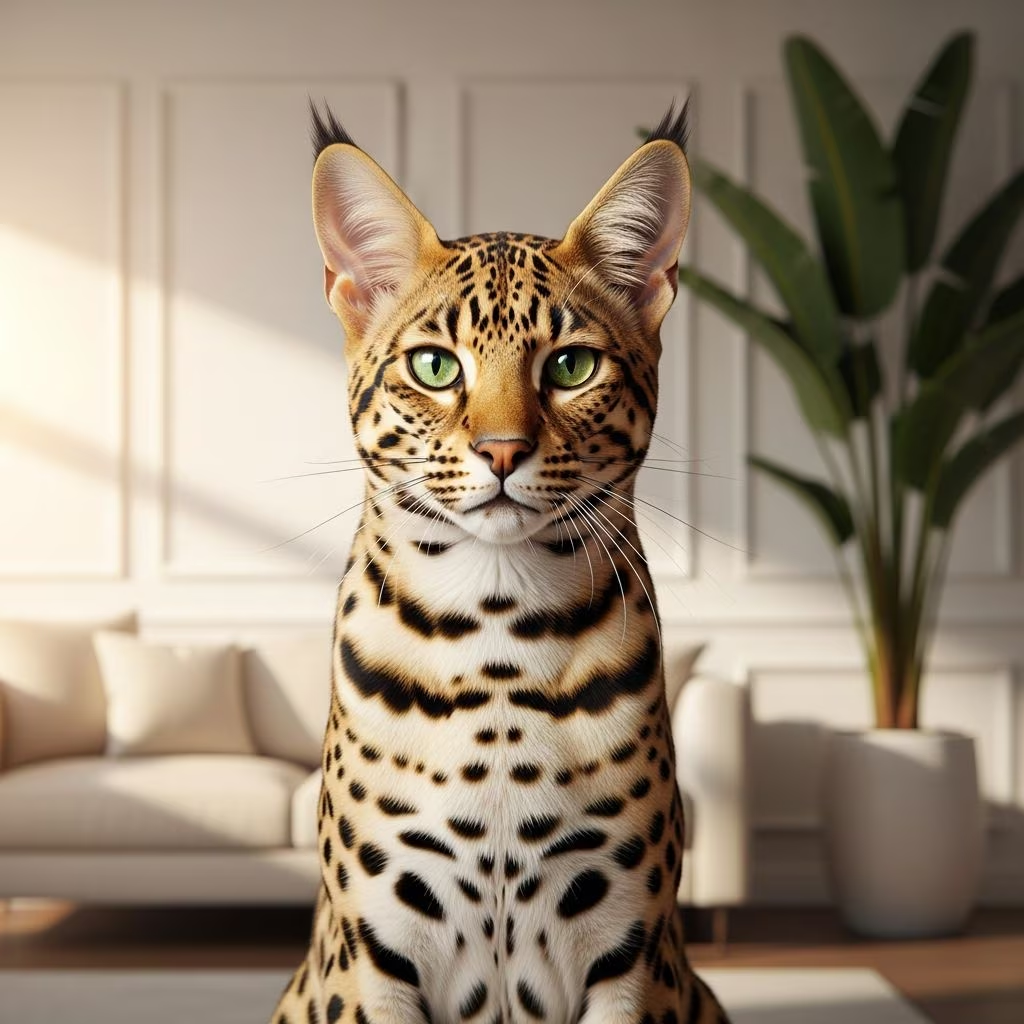
The Ashera cat captivates with its sleek, spotted coat resembling a miniature wildcat, blending exotic allure with domestic companionship. Marketed as an elite hybrid, this feline raises questions about authenticity, given its ties to Savannah cats and lack of official recognition.
Origins and Development History
In the mid-2000s, a U.S.-based company named Lifestyle Pets introduced the Ashera as a groundbreaking breed, claiming it resulted from crossing an African serval, Asian leopard cat, and select domestic breeds. Launched around 2006, these cats were promoted with promises of rarity, hypoallergenic qualities, and superior traits, fetching prices up to $125,000. The firm’s owner, Simon Brodie, fueled mystique by withholding breeding details, enhancing the breed’s luxury appeal.
However, investigations revealed discrepancies. Genetic tests on confiscated kittens in 2008 at a Dutch airport identified them as F1 Savannah cats, not a distinct breed. The Savannah Cat Association labels Ashera a marketing hoax, asserting these were simply high-generation Savannahs sold at inflated prices. By 2015, Lifestyle Pets ceased operations, leaving no verifiable standards or pedigrees. Today, no major feline registry like The International Cat Association or Cat Fanciers’ Association acknowledges Ashera, solidifying its status as unverified.
Physical Characteristics and Appearance
Ashera cats stand out for their imposing size and striking patterns. Adults typically measure 22-24 inches tall at the shoulder and weigh 15-30 pounds, surpassing many domestic breeds like the Maine Coon. Some reports note weights up to 33 pounds and heights around 16 inches, emphasizing their robust build.
| Trait | Range | Comparison to Average Cat |
|---|---|---|
| Height | 22-24 inches | 2-3x taller (avg. 9-10 inches) |
| Weight | 15-30 lbs | 2x heavier (avg. 8-10 lbs) |
| Lifespan | 12-20 years | Similar or longer (avg. 12-15 years) |
| Coat Colors | Cream/brown spots, tabby variants | Wild-spotted vs. solid/domestic |
Their coat features bold spots and stripes in shades like brown tabby, silver, or black on a cream base, evoking a serval’s elegance. Long legs, large ears, and a slender, muscular frame contribute to their athletic look. Despite wild ancestry claims, the fur is short and relatively low-shedding, though not truly hypoallergenic as once advertised.
Temperament and Behavioral Traits
Owners describe Ashera cats as dog-like companions: loyal, interactive, and adventurous. They thrive on play, excelling at fetch, agility courses, and even leash walks. Highly intelligent, these felines learn tricks quickly and seek mental stimulation, bonding deeply with families while maintaining independence.
- Affectionate yet Independent: They follow owners but enjoy solo exploration.
- Playful Energy: Love water play, chasing toys, and social outings.
- Social with Strangers: Often friendly toward dogs and children, suiting active households.
- Training Potential: Respond well to positive reinforcement from kittenhood.
Suitable for families with older kids, they demand engagement to curb mischief from boredom. Early socialization prevents aloofness or dominance issues.
Health and Lifespan Expectations
Ashera cats boast potential longevity of 12-20 years, with some reaching 25, outpacing wild serval averages due to domestic influences. Hybrid vigor may bolster immunity, reducing genetic predispositions common in purebreds, though sensitive stomachs require dietary caution.
Potential concerns mirror Savannahs: hybrid-related issues like urinary tract problems or joint strain from size. Regular vet checkups, balanced nutrition, and exercise mitigate risks. No breed-specific studies exist due to non-recognition, so monitor for serval traits like high energy impacting joints.
Care Requirements for Optimal Well-Being
Nutrition and Feeding
High-protein diets support their muscular frames; opt for grain-free formulas mimicking wild prey. Divide meals into 3-4 portions daily to prevent obesity, with fresh water always available. Costly specialized foods may run $100+ monthly.
Grooming Routine
Short coats need weekly brushing to manage shedding and distribute oils. Bathe sparingly, trim nails biweekly, and clean ears monthly. Dental care via brushing or treats prevents issues.
Exercise and Environment
Daily sessions of 30-60 minutes—interactive toys, climbing trees, puzzle feeders—are essential. Secure outdoor enclosures or harness training allow safe exploration, as their curiosity drives escape attempts.
Veterinary and Training Needs
Annual exams, vaccinations, and parasite prevention are crucial. Professional training aids leash manners and recall, fostering harmony in multi-pet homes.
Cost Analysis and Ethical Considerations
Initial prices ranged from $20,000-$125,000, positioning Ashera as a status symbol. Ongoing expenses include premium food, toys, and vet bills exceeding typical cats by 50-100%.
Ethical debates surround hybrids: breeding wild cats like servals raises welfare concerns, potential stress, and conservation impacts. Buyers risk scams without registries; verify sellers rigorously.
Pros and Cons Overview
| Pros | Cons |
|---|---|
| Stunning, unique appearance | Extremely high purchase and care costs |
| Dog-like loyalty and trainability | Lack of official recognition/breeding standards |
| Long lifespan and robust health | High energy may overwhelm sedentary owners |
| Social, family-friendly | Ethical concerns over hybrid origins |
| Low grooming needs | Potential for destructive behavior if bored |
Frequently Asked Questions (FAQs)
Is the Ashera cat a real breed?
No official registries recognize it; most evidence points to rebranded Savannah cats.
Are Ashera cats hypoallergenic?
Claims were debunked; they shed moderately like most short-haired breeds.
Can Ashera cats live indoors only?
Yes, with ample enrichment, though they crave space and activity.
How do Ashera cats compare to Savannahs?
Genetically identical in tested cases, sharing size, looks, and energy.
Are they good with children and dogs?
Generally yes, if socialized early, due to their sociable nature.
Final Thoughts on Owning an Ashera
Despite controversies, Ashera-like cats offer thrilling companionship for dedicated owners. Prioritize ethical sourcing and commit to their active lifestyle for a rewarding bond. Research Savannah alternatives for verified pedigrees.
References
- 6 Surprising Ashera Cat Facts: Lifespan & Temperament — Hepper. 2023. https://articles.hepper.com/ashera-cat-facts/
- Ashera Cat Breed: Info, Pictures, Traits, Facts & More — Catster. 2023. https://www.catster.com/cat-breeds/ashera-cat/
- Usher’s cat: features and rules of content — techinfus.com. 2023. https://dresszone.techinfus.com/en/koshki/ashera/
- Ashera Cats: Everything You Need to Know About These Elite $125k Pets — KittyNook. 2023. https://kittynook.com/blogs/kittynookcorner/ashera-cats-everything-you-need-to-know-about-these-elite-125k-pets
- Savannah Cats: Breed Overview and Key Traits — Basepaws. 2023. https://basepaws.com/blog/savannah-cats-breed-overview-and-key-traits
- Ashera Cats — The Big Hoax — Savannah Cat Association. 2023. https://savannahcatassociation.org/ashera-cats/



