

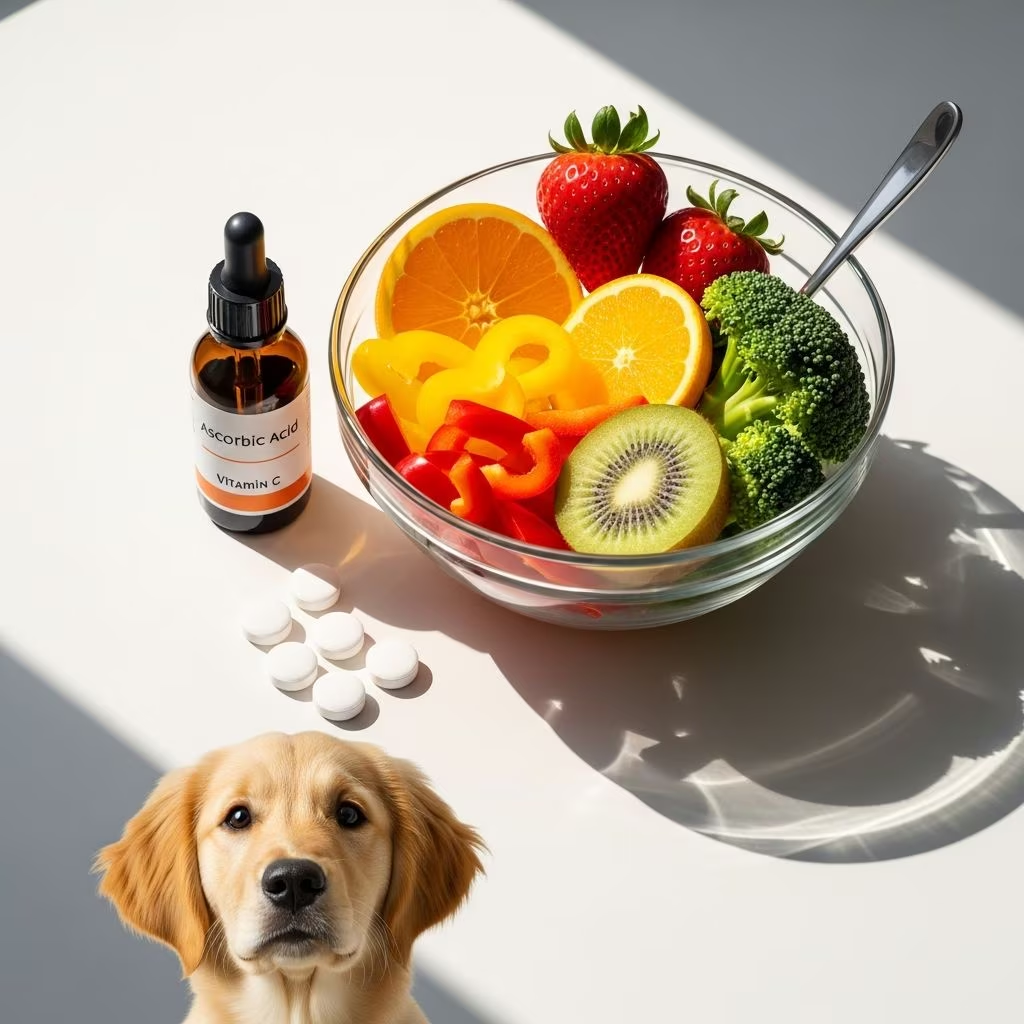
Understanding Ascorbic Acid and Vitamin C for Pets
Ascorbic acid, commonly known as vitamin C, is an essential vitamin that plays a crucial role in maintaining good nutrition and supporting a healthy immune system in pets. Unlike humans, who cannot synthesize their own vitamin C, many animals including dogs and cats have the ability to produce this vital nutrient through their liver’s metabolism of glucose. However, understanding when and how to supplement vitamin C can significantly enhance your pet’s overall health and well-being, particularly during times of stress, illness, or aging.
What is Vitamin C and How Does It Function in Pets?
Vitamin C is a water-soluble antioxidant known as the number one radical scavenger in the body. This powerful nutrient takes on numerous important tasks in your pet’s system, including strengthening the immune system, enhancing stress resilience, and promoting tissue repair. The vitamin plays a fundamental role in building stable bones and maintaining tight connective tissue throughout your pet’s body.
Beyond immune support, vitamin C demonstrates remarkable versatility in pet health. It facilitates rapid and safe wound healing by promoting collagen synthesis and acts as an aid in hormone production. Additionally, vitamin C binds free radicals, supports iron breakdown, and ensures strong teeth and healthy gums in your pets.
The Antioxidant Power of Vitamin C
As a powerful antioxidant, vitamin C protects your pet’s cells against oxidative damage caused by free radicals. These harmful molecules result from environmental stressors such as pollutants, pesticides, and toxins. Vitamin C’s antioxidant properties help neutralize these free radicals, potentially lowering the risk of chronic diseases and supporting long-term wellness.
Key Health Benefits of Vitamin C for Your Pet
Immune System Support
One of the most significant benefits of vitamin C is its ability to strengthen your pet’s immune system. The vitamin stimulates the production and function of white blood cells, which serve as your pet’s front-line defense against infections, bacteria, and viruses. When vitamin C is absorbed into the body, it increases the number of antibodies responsible for fighting these harmful invaders, making it especially valuable during recovery from illness.
Joint Health and Mobility
Vitamin C plays an essential role in collagen production, the protein that comprises cartilage, tendons, and ligaments. This function makes it particularly important for senior dogs or those prone to hip dysplasia, elbow issues, and other degenerative joint conditions. Regular vitamin C supplementation can help maintain joint flexibility and support long-term mobility in aging pets.
Wound Healing and Tissue Repair
If your pet’s wounds heal quickly and safely, this indicates adequate vitamin C supply. The vitamin accelerates the healing process by promoting collagen cross-linking and strengthening connective tissues. This benefit becomes especially important for pets recovering from surgery or injury.
Skin and Coat Quality
Vitamin C typically combines with vitamin E to maintain your pet’s vibrant appearance and healthy coat. Together, these vitamins help preserve skin elasticity and promote a lustrous coat, contributing to your pet’s overall aesthetic appeal and comfort.
Allergy and Inflammation Management
Vitamin C acts as a natural antihistamine, helping to relieve allergy symptoms by counteracting histamine and fighting inflammation throughout the body. For pets suffering from chronic inflammation triggered by allergies, infections, or stress, vitamin C supplementation may provide meaningful relief when recommended by your veterinarian.
Stress Reduction
During periods of stress—whether from travel, moving, loud noises like fireworks, or other environmental changes—vitamin C levels in your pet’s body become depleted as part of the repair process. Supplementing with vitamin C during these challenging times can help manage stress hormones and support your pet’s emotional well-being.
Interferon Production
Vitamin C boosts your pet’s level of interferon, a natural antibody that helps fight viral infections and cancerous growths. This function adds another layer of protection to your pet’s health arsenal, particularly important during illness or immune system challenges.
Vitamin C Deficiency: Signs and Consequences
A deficiency of vitamin C can quickly produce negative health consequences for your pet. Common signs include increased susceptibility to infections, poor wound healing, and dental problems such as weak teeth and unhealthy gums. While actual scurvy is rare in pets, the cumulative effects of insufficient vitamin C can compromise overall health and quality of life.
Recommended Dosage Guidelines for Different Pets
The appropriate vitamin C dosage depends on your pet’s species, size, age, and health status. Always consult with your veterinarian before adding any new supplements to your pet’s diet, as individual needs vary significantly.
Dogs
For general health maintenance, dogs typically require approximately 18mg/kg of vitamin C per day. The recommended daily dosage for dogs is typically around 500mg to 1000mg per day, depending on their weight and health status.
Large dogs: Approximately 750mg of vitamin C daily is generally appropriate.
Senior dogs: Aging dogs require the largest amount of vitamin C as their immune systems naturally weaken. A standard dose for senior dogs is 500mg to 1000mg per 40-50 lbs of body weight daily.
Cats
Cats are typically safe to receive between 150mg and 500mg of vitamin C per day, though this should be confirmed with your veterinarian based on your individual cat’s needs and health status.
When to Consider Vitamin C Supplementation
Although dogs and cats are capable of generating their own vitamin C, veterinarians often recommend supplementation during specific circumstances:
– During illness or recovery: When animals are stressed, sick, or otherwise worn down, vitamin C levels are used up faster as part of the repair process, running down the body’s reserves and necessitating supplementation.- Following surgery: Post-operative recovery benefits from enhanced vitamin C support to promote wound healing.- During chronic stress: Extended periods of stress deplete vitamin C reserves more rapidly than normal.- For senior pets: Aging animals with weakening immune systems benefit from increased vitamin C.- For joint issues: Pets with arthritis or degenerative joint disease may benefit from collagen-supporting supplementation.- During allergy season: Pets experiencing seasonal allergies may find relief through vitamin C supplementation.
Important Considerations and Potential Risks
Balance is Essential
While vitamin C offers numerous benefits, excessive supplementation can be counterproductive. In larger doses, vitamin C can become pro-oxidant, meaning it promotes oxidation of cells and causes cell damage rather than preventing it. This paradoxical effect makes proper dosing crucial and highlights the importance of veterinary guidance.
Gastrointestinal Issues
Giving too much vitamin C to dogs and cats can lead to stomach upset, diarrhea, and other digestive health issues. Pet owners should never exceed recommended dosages, even with good intentions.
Urinary Calcium Oxalate Crystals
Pets with a predisposition for urinary calcium oxalate crystals and stones require special caution with vitamin C supplementation. While supplementation typically poses no major adverse side effects for most pets, those prone to this condition may experience complications, and supplementation should be avoided or modified under veterinary supervision.
Natural Antioxidants as Alternatives
Rather than potentially over-supplementing with isolated vitamin C and causing harm, pet owners should focus on providing healthy natural antioxidants through vitamin C-rich fruits and vegetables as treats for their pets. This approach provides gentle antioxidant support without excessive supplementation.
Why Food Manufacturers Don’t Always Add Vitamin C
Because dogs and cats synthesize their own vitamin C through their liver’s metabolism, commercial pet food manufacturers typically don’t include it in standard ingredient lists. Additionally, vitamin C may be included in pet food occasionally because of its ability to act as an antioxidant, preventing spoiling and rancidity in the final product.
Vitamin C and Disease Management
Research suggests that the antioxidant properties of vitamin C supplementation can benefit the management of medical conditions associated with oxidative damage from free radical formation. Conditions such as cancer, cancer therapy side effects, dementia, heart disease, and asthma involve oxidative damage that may respond to vitamin C therapy.
However, it’s important to note that while vitamin C has potential therapeutic applications, no definitive studies have demonstrated that vitamin C supplementation can prevent bladder stones, cancer, or other specific diseases in cats and dogs. Pet owners should focus on evidence-based recommendations from their veterinarians rather than pursuing unproven preventive supplementation strategies.
Frequently Asked Questions About Vitamin C for Pets
Q: Can I give my dog or cat too much vitamin C?
A: Yes, excessive vitamin C supplementation can cause stomach upset, diarrhea, and in larger doses can become pro-oxidant, promoting cell damage rather than protecting cells. Always follow your veterinarian’s dosage recommendations.
Q: Does my dog need vitamin C supplements if they synthesize their own?
A: While dogs and cats can synthesize their own vitamin C, supplementation becomes beneficial during times of stress, illness, recovery, or aging when body reserves are depleted faster than they can be naturally replenished.
Q: What are the best sources of natural vitamin C for pets?
A: Rather than isolated supplements, consider providing vitamin C-rich fruits and vegetables as treats. These natural sources offer gentle antioxidant support without excessive supplementation. However, verify that any produce you offer is safe for your specific pet species.
Q: Can vitamin C help prevent hip dysplasia in dogs?
A: While vitamin C supports collagen production essential for joint health, research has not definitively proven that supplementation can prevent hip dysplasia. However, it may support joint health as part of a comprehensive wellness plan for at-risk dogs.
Q: Are there any pets that should avoid vitamin C supplementation?
A: Pets with a predisposition for urinary calcium oxalate crystals and stones should avoid vitamin C supplementation without veterinary guidance, as it may complicate their condition.
Q: When should I start giving my senior pet vitamin C?
A: Senior pets often benefit from increased vitamin C supplementation because their immune systems naturally weaken with age. Consult your veterinarian about appropriate dosages for your aging pet’s specific needs.
Q: Should I supplement vitamin C year-round or only during certain seasons?
A: This depends on your individual pet’s health status and needs. Some pets benefit from year-round supplementation, while others may only need it during stressful periods, allergy seasons, or illness recovery. Your veterinarian can recommend the best approach for your pet.
References
- Vitamin C for Cats – The Basis for a Healthy Cat Life — Animaux Nutrients. 2024. https://www.animaux-nutrients.com/en/vitamin-c-fuer-katzen/
- Vitamin C for Pets: Why It’s Important — PureForm Pet Health. 2024. https://pureformpethealth.com/blogs/pureform-pet-care/vitamin-c-for-pets-importance
- 5 Benefits of Vitamin C for Your Dog — My Pet Nutritionist. 2024. https://mypetnutritionist.com/post/5-benefits-of-vitamin-c-for-your-dog/
- What Is Vitamin C for Dogs? — Chewy. 2024. https://www.chewy.com/education/dog/health-and-wellness/vitamin-c-for-dogs
- Vitamin C for Dogs: Benefits, Dosage, and More — Purina US. 2024. https://www.purina.com/articles/dog/health/routine-care/vitamin-c-for-dogs
- Vitamin C and Calcium Oxalate Stones — PetMD Daily Vet. 2012. https://www.petmd.com/blogs/thedailyvet/ktudor/2012/sept/vitamin_c_and_calcium_oxalate_stones-27000
- The A-B-C’s of Vitamin C — Tufts University. 2018. https://sites.tufts.edu/petfoodology/2018/04/28/the-a-b-cs-of-vitamin-c/



