

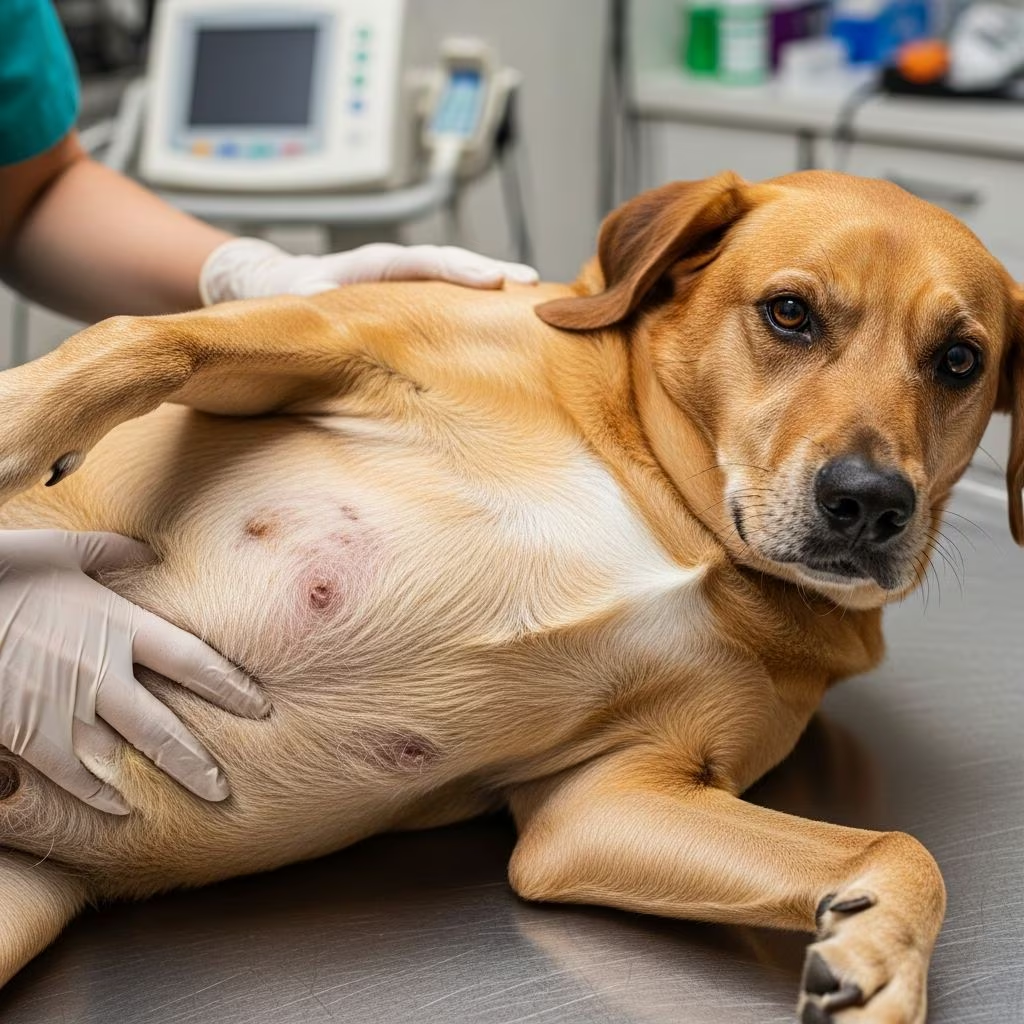
Abdominal fluid accumulation, known as ascites, represents a significant health challenge for dogs, often pointing to underlying organ dysfunction or serious disease processes. This condition manifests as a swollen belly and can severely impact a dog’s comfort and vitality if not addressed promptly. While ascites itself is a symptom rather than a standalone illness, identifying and treating its root cause is essential for effective management.
Understanding the Physiology of Ascites
Ascites occurs when excess fluid leaks from blood vessels into the peritoneal cavity, the space surrounding abdominal organs. Normally, proteins like albumin maintain oncotic pressure, keeping fluid within vessels. Disruptions in this balance—due to low protein levels, increased vascular pressure, or inflammation—lead to leakage. In dogs, this is frequently linked to systemic diseases affecting major organs.
There are three primary mechanisms: transudate (clear, low-protein fluid from pressure imbalances), exudate (cloudy, protein-rich from inflammation or infection), and hemorrhagic effusion (bloody fluid from trauma or tumors). Veterinary analysis of the fluid type guides diagnosis.
Primary Causes Behind Abdominal Effusion
Several conditions contribute to ascites in dogs, with heart and liver diseases being predominant. Early recognition allows for targeted interventions.
Cardiac Contributions to Fluid Retention
Right-sided heart failure is the leading cause, where the heart’s inability to pump effectively causes venous congestion and elevated pressure in abdominal vessels. Conditions like dilated cardiomyopathy, pulmonic stenosis, and heartworm disease exacerbate this by obstructing blood flow or weakening cardiac muscle. Heartworms, parasitic worms in pulmonary arteries, induce pulmonary hypertension, indirectly promoting ascites.
Hepatic Disorders and Portal Hypertension
The liver plays a critical role in protein synthesis and fluid regulation. Cirrhosis, chronic hepatitis, or portal hypertension—often from shunts or thrombosis—impairs these functions, leading to hypoalbuminemia and fluid seepage. Liver tumors can also obstruct venous return, mimicking heart-related pressure buildup.
Renal and Protein-Loss Syndromes
Chronic kidney disease results in proteinuria, depleting albumin and reducing oncotic pressure. This allows fluid to escape into tissues and the abdomen. Malnutrition or gastrointestinal disorders like protein-losing enteropathy compound the issue by further lowering serum proteins.
Infectious and Inflammatory Triggers
Peritonitis, inflammation of the peritoneal lining, arises from bacterial leakage (e.g., ruptured intestines), fungal invasions, or pancreatitis. Abscesses or severe abdominal infections produce exudative fluid rich in inflammatory cells. Trauma-induced bleeding or coagulopathies can also cause hemorrhagic ascites.
Oncologic and Miscellaneous Factors
Cancers such as lymphoma, hemangiosarcoma, or metastatic tumors infiltrate the abdomen, causing leakage or obstruction. Less common causes include hookworm infestations in puppies, leading to hypoalbuminemia, or hypoalbuminemia from starvation.
Recognizing the Signs of Trouble
Dogs with ascites often present with a distended abdomen that feels fluid-filled upon palpation. Owners may notice gradual or sudden belly enlargement, alongside nonspecific symptoms like lethargy, reduced appetite, and weight loss despite eating. Respiratory distress arises as the diaphragm is compressed, causing rapid, shallow breathing or coughing.
- Gastrointestinal effects: Vomiting, diarrhea, or pot-bellied appearance.
- Behavioral changes: Reluctance to move, pain on abdominal touch, or hunched posture.
- Advanced indicators: Collapse, pale gums, or exercise intolerance signaling hypovolemia.
Puppies might show failure to thrive, while seniors exhibit weakness from concurrent diseases. Acute onset suggests infection or trauma; chronic progression points to organ failure.
Diagnostic Approaches for Accurate Identification
Veterinarians employ a stepwise process to pinpoint ascites causes. Initial physical exams assess hydration, mucous membrane color, and heart/lung sounds.
| Test | Purpose | Key Findings |
|---|---|---|
| Abdominocentesis | Fluid sampling | Transudate vs. exudate; cell counts, culture. |
| Ultrasound/X-ray | Imaging | Organ enlargement, masses, free fluid. |
| Bloodwork | Biochemistry/CBC | Protein levels, organ enzymes, anemia. |
| Echocardiogram | Heart evaluation | Valve function, chamber dilation. |
| Urinalysis | Kidney/protein check | Proteinuria, infection. |
Fluid analysis is pivotal: low-protein transudates indicate heart/liver issues; high-protein exudates suggest infection. Advanced tests like biopsies or CT scans may follow for tumors.
Treatment Strategies: From Symptom Relief to Root Resolution
Management targets both immediate relief and the primary pathology. Hospitalization is common for stabilization.
Fluid Removal Techniques
Therapeutic abdominocentesis drains fluid via needle, easing breathing and diagnostics. Risks include dehydration, electrolyte shifts, or infection, so it’s paired with IV fluids and monitoring. Repeated taps are temporary; diuretics like furosemide or spironolactone promote urine output to reduce recurrence.
Addressing Organ-Specific Diseases
- Heart: Cardio-protectants (pimobendan), ACE inhibitors, low-sodium diets.
- Liver: Hepatoprotectants (SAMe, milk thistle), ursodiol for shunts, nutritional support.
- Kidney: Renal diets, phosphate binders, fluids; manage hypertension.
- Infection: Broad-spectrum antibiotics, surgical lavage for peritonitis.
- Cancer: Surgery, chemo, or palliation.
Plasma transfusions restore oncotic pressure in hypoalbuminemic cases. Long-term, low-protein/sodium diets and supplements aid recovery.
Prognosis and Long-Term Outlook
Outcomes vary by cause: heart/liver diseases managed chronically yield fair prognoses with lifestyle adjustments. Infections respond well to prompt antibiotics. Cancer or end-stage organ failure carries guarded to poor prognoses, with survival measured in weeks to months. Early intervention dramatically improves quality of life.
Prevention Measures for Proactive Owners
Minimize risks through routine wellness exams detecting organ issues early. Administer year-round heartworm preventives. Maintain ideal body weight via balanced, low-sodium nutrition and daily exercise. Vaccinate against infections and monitor for trauma.
Frequently Asked Questions (FAQs)
What does a dog’s swollen belly indicate?
It often signals ascites from serious conditions like heart failure or cancer; seek vet care immediately.
Is ascites in dogs painful?
Yes, it causes discomfort from organ compression and breathing issues.
Can diet alone fix ascites?
No, low-sodium diets support treatment but don’t resolve underlying causes.
How quickly does ascites progress?
Varies: days for infections, months for chronic diseases.
Can home remedies treat ascites?
No, professional diagnosis and therapy are essential; avoid unguided diuretics.
References
- Ascites in Dogs: Causes, Symptoms, and Treatment — Noble Vet Clinic. 2023. https://noblevetclinic.com/blog/ascites-in-dogs-causes-symptoms-and-treatment
- Ascites in Dogs: Signs, Symptoms, and Treatments — American Kennel Club. 2024. https://www.akc.org/expert-advice/health/ascites-in-dogs/
- Ascites in Dogs — PetMD. 2024. https://www.petmd.com/dog/conditions/cardiovascular/ascites-dogs
- Fluid in the Abdomen of Dogs: Signs, Causes and Treatment — Vetic.in. 2023. https://www.vetic.in/blog/pet-health/fluid-in-the-abdomen-of-dogs-signs-causes-treatment-and-prognosis/
- Ascites in Dogs: Causes and Treatment of Fluid in the Abdomen (Vet Reviewed) — Dialavet. 2024. https://www.dialavet.com/blog/ascites-in-dogs-causes-and-treatment-of-fluid-in-the-abdomen-vet-reviewed
- Ascites in Dogs — JOII Pet Care. 2023. https://www.joiipetcare.com/blogs/health-symptoms/ascites-in-dogs
- Ascites in Dogs – Symptoms, Causes, Diagnosis, Treatment — WagWalking. 2024. https://wagwalking.com/condition/ascites
- Ascites in Small Animals — MSD Veterinary Manual. 2025. https://www.msdvetmanual.com/digestive-system/pathophysiology-of-hepatic-disease-in-small-animals/ascites-in-small-animals



