

Ascites in Dogs: Understanding Fluid Buildup in the Abdomen
Ascites in dogs refers to an abnormal accumulation of fluid within the abdominal cavity. This condition is not a disease in itself, but rather a clinical sign indicating an underlying health problem that requires veterinary attention. Understanding ascites is crucial for dog owners because early recognition and treatment can significantly improve their pet’s quality of life and prognosis. The condition can develop secondary to various serious medical conditions, ranging from heart and liver disease to infections and malignancies.
What is Ascites?
Ascites represents the pathological accumulation of fluid in the peritoneal cavity—the space surrounding the abdominal organs. In healthy dogs, a small amount of clear fluid normally exists in this space to allow organs to move smoothly. However, when excess fluid accumulates beyond normal physiological amounts, it indicates a disruption in the body’s ability to maintain proper fluid balance. This fluid buildup can compromise organ function, restrict movement, impair breathing, and cause significant discomfort to affected dogs.
The severity of ascites varies widely depending on the underlying cause and how quickly the condition develops. Some dogs may have mild fluid accumulation that develops gradually over weeks or months, while others may experience rapid onset with severe symptoms requiring emergency veterinary intervention.
Causes of Ascites in Dogs
Ascites can develop from multiple underlying conditions. Understanding these causes is essential for determining the appropriate treatment approach and prognosis.
Liver Disease
Liver disease is one of the most common causes of ascites in dogs. Conditions such as cirrhosis, hepatitis, and liver cancer can all lead to ascites development. The liver plays a critical role in maintaining fluid balance by producing albumin and other proteins that help retain fluid within blood vessels. When liver function is compromised, the organ cannot produce adequate amounts of these proteins, causing fluid to leak into the abdominal cavity. Additionally, liver disease can cause portal hypertension, where increased pressure in the portal vein forces fluid into the peritoneal space.
Heart Disease
Right-sided heart failure represents another leading cause of ascites in dogs. When the heart cannot pump blood effectively, blood backs up into the veins, increasing hydrostatic pressure and forcing fluid out of blood vessels into the abdomen. This mechanism is particularly common in dogs with dilated cardiomyopathy, chronic valve disease, or other conditions affecting cardiac function.
Kidney Disease
Kidney disease can contribute to ascites through multiple mechanisms. Damaged kidneys may lose their ability to regulate protein loss, leading to low albumin levels and reduced oncotic pressure. Additionally, kidney dysfunction can affect fluid and electrolyte balance, promoting fluid retention and abdominal accumulation.
Infections and Inflammation
Severe bacterial, fungal, or parasitic infections within the abdomen can cause peritonitis—inflammation of the abdominal membranes. This inflammatory response increases vascular permeability, allowing fluid and inflammatory exudate to leak into the peritoneal cavity. Peritonitis can develop following a ruptured intestine, abdominal abscess, or severe pancreatitis. These conditions typically present as medical emergencies requiring immediate veterinary intervention.
Neoplasia
Abdominal tumors, including lymphoma and other malignancies, can cause ascites through various mechanisms. Tumors may obstruct lymphatic drainage, damage blood vessels, or produce inflammatory mediators that increase vascular permeability. Metastatic cancer can seed the peritoneal surface, causing fluid accumulation and peritoneal involvement.
Other Causes
Additional causes of ascites include malnutrition with severe hypoalbuminemia, parasitic infections such as hookworms (particularly in young dogs), and trauma. Certain bleeding disorders and coagulopathies can also lead to hemabdominal fluid accumulation.
Symptoms and Clinical Signs
Dogs with ascites typically display several characteristic signs that should prompt veterinary evaluation:
- Abdominal distension or swelling, often described as a “pot-bellied” appearance
- Unexplained weight gain despite normal appetite
- Difficulty breathing or rapid, shallow breathing
- Lethargy and decreased activity levels
- Reluctance to exercise or play
- Decreased appetite or anorexia
- Vomiting or regurgitation
- Increased urination and thirst
- Visible discomfort when the abdomen is touched or palpated
- Difficulty assuming comfortable resting positions
- Straining to defecate
The severity of symptoms often correlates with the amount of fluid accumulated. Dogs with mild ascites may show subtle signs, while those with significant fluid buildup can experience severe respiratory distress and abdominal discomfort.
Diagnosis of Ascites
Veterinarians employ multiple diagnostic approaches to confirm ascites and identify its underlying cause:
Physical Examination
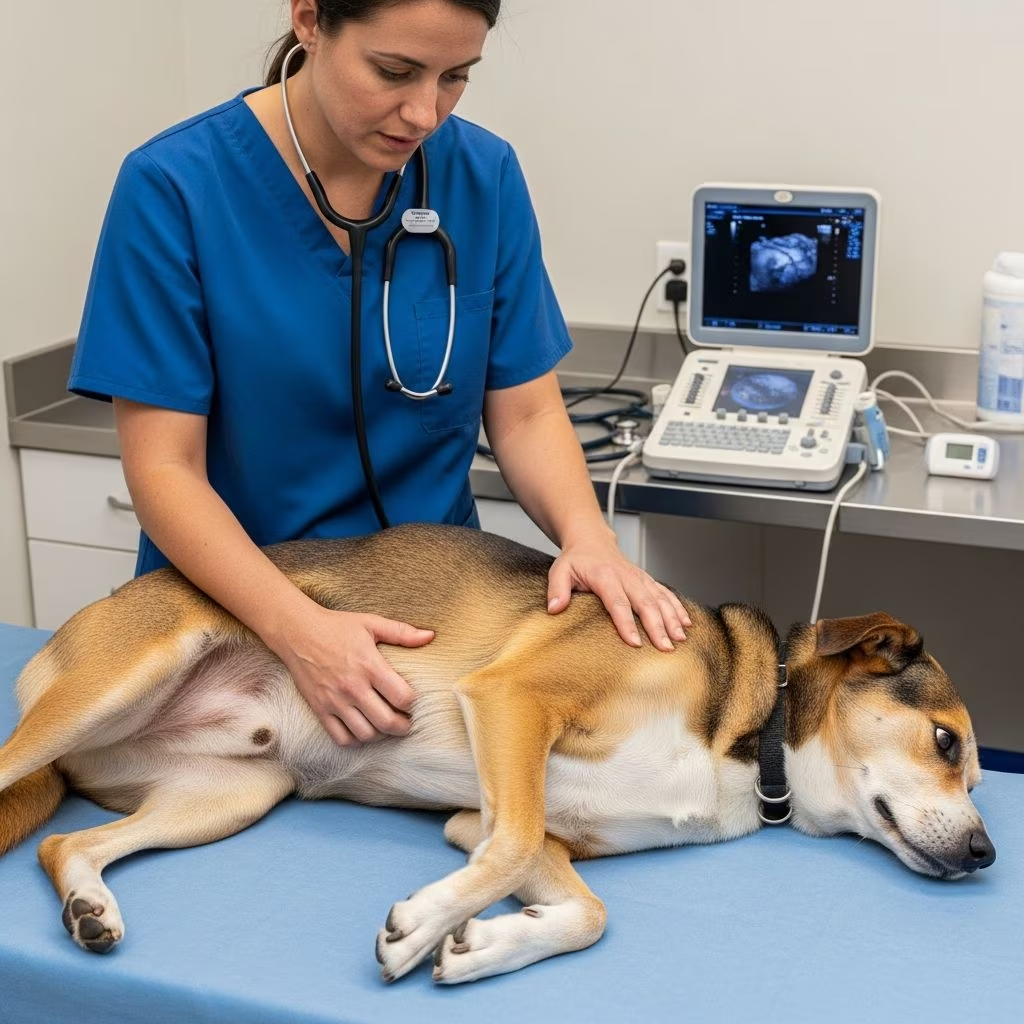
During the physical examination, veterinarians will assess abdominal distension, check for fluid wave movement, and evaluate overall body condition. They will also listen for abnormal heart sounds, lung crackles, or other signs suggesting underlying disease.
Imaging Studies
Abdominal ultrasound is the preferred imaging modality for detecting and evaluating ascites. Ultrasound can identify free fluid in the peritoneal cavity and often provides clues about the underlying cause by visualizing organ changes, tumors, or structural abnormalities. Radiographs (X-rays) may also be obtained to assess cardiac size and lung fields.
Laboratory Tests
Blood work including complete blood count and serum chemistry panel helps evaluate organ function and identify underlying conditions. Tests may reveal anemia, abnormal liver enzymes, elevated kidney values, or low albumin levels. Coagulation studies may be performed if bleeding is suspected.
Fluid Analysis
When ascites is confirmed, fluid samples obtained through abdominocentesis (needle aspiration) are analyzed to determine fluid characteristics. Analysis includes cell count differentials, protein concentration, and culture for infectious agents. This helps classify the ascites as transudate, modified transudate, exudate, or hemorrhagic fluid, which guides diagnosis of the underlying cause.
Treatment Options for Ascites
Treatment of ascites is multimodal and targeted toward both managing fluid accumulation and addressing the underlying condition.
Diuretic Therapy
Diuretics form the cornerstone of medical management for many ascites cases. Furosemide (Lasix), a potent loop diuretic, is commonly prescribed to increase urine output and reduce fluid retention. Spironolactone, an aldosterone antagonist, may be used alone or in combination with furosemide, particularly in liver disease cases. These medications help restore normal fluid balance by promoting sodium and water excretion through the kidneys.
Dietary Management
Sodium-restricted diets play a crucial role in managing ascites, particularly when heart or liver disease is the underlying cause. Prescription therapeutic diets specifically formulated for cardiac or hepatic disease provide balanced nutrition while limiting sodium intake. These specialized diets help reduce fluid retention and decrease workload on compromised organs. Dogs requiring dietary management typically need to remain on restricted-sodium food for extended periods or indefinitely.
Therapeutic Abdominocentesis
For dogs with severe ascites causing significant respiratory distress or abdominal discomfort, therapeutic abdominocentesis provides temporary relief. This procedure involves carefully inserting a needle or catheter through the abdominal wall to drain excess fluid. Performed under local anesthesia or mild sedation, abdominocentesis can remove several liters of fluid and provide immediate symptom relief. However, without treatment of the underlying cause, fluid typically reaccumulates within days to weeks. The frequency of drainage procedures depends on how rapidly fluid returns and the dog’s clinical tolerance.
Treatment of Underlying Conditions
Addressing the primary disease causing ascites is essential for long-term management success. For heart disease, medications such as ACE inhibitors, beta-blockers, and positive inotropes improve cardiac function. Liver disease management may involve hepatic-supportive medications and supplements. Kidney disease treatment focuses on managing protein loss and maintaining appropriate fluid and electrolyte balance. Infections require appropriate antimicrobial therapy. Cancer-related ascites may be managed with chemotherapy or palliative care depending on prognosis.
Surgical Intervention
In some cases, surgery becomes necessary to address the underlying cause of ascites. Surgical procedures may be required to repair ruptured organs, remove tumors, manage severe peritonitis, or correct other structural abnormalities. The decision to pursue surgery depends on the dog’s overall condition, prognosis, and the specific underlying pathology.
Supportive Care
Dogs with ascites require comprehensive supportive care including appropriate exercise levels (gentle activity without strenuous exertion), comfortable resting areas, and careful monitoring for complications. Pain management may be necessary in some cases. Regular monitoring allows for early detection of deterioration or recurrence of fluid accumulation.
Prognosis and Long-Term Management
The prognosis for dogs with ascites varies significantly depending on the underlying cause. Dogs with heart or liver disease may be managed long-term with appropriate medication, dietary changes, and regular monitoring. However, ascites secondary to cancer or severe infection often carries a more guarded prognosis. Early detection and aggressive treatment of the underlying condition offer the best opportunity for improved outcomes. Regular veterinary follow-up appointments are essential for monitoring disease progression and adjusting treatment plans as needed.
Prevention Strategies
While not all ascites can be prevented, certain measures can reduce risk:
- Maintain routine veterinary checkups to detect early signs of heart, liver, or kidney disease
- Administer year-round heartworm prevention medication
- Feed a balanced, low-sodium diet appropriate for your dog’s life stage and health status
- Maintain appropriate body weight and provide regular, moderate exercise
- Ensure vaccination compliance and parasite prevention
- Avoid exposure to toxins and infectious agents
Frequently Asked Questions
Q: What is the difference between ascites and normal abdominal bloating?
A: Normal bloating may be temporary and related to diet or gas, while ascites represents pathological fluid accumulation within the peritoneal cavity. Ascites is accompanied by fluid wave movement on palpation, persists despite dietary changes, and typically includes other systemic symptoms.
Q: How quickly can ascites develop in dogs?
A: Ascites development varies. Some cases develop gradually over weeks or months in chronic conditions like liver disease, while others develop acutely within days in acute peritonitis or severe heart failure.
Q: Is ascites in dogs always fatal?
A: Not necessarily. With appropriate treatment of the underlying condition and diligent management, many dogs with ascites can maintain good quality of life for extended periods. Prognosis depends on the primary cause and how early intervention begins.
Q: Can ascites recur after abdominocentesis?
A: Yes, fluid typically reaccumulates after abdominocentesis if the underlying cause is not addressed. This procedure provides temporary relief but is not curative without concurrent treatment of the primary condition.
Q: What dietary changes are recommended for dogs with ascites?
A: Low-sodium, protein-balanced therapeutic diets are typically recommended. Specific dietary modifications depend on the underlying cause—heart disease, liver disease, or kidney disease diets are commonly prescribed. Always follow your veterinarian’s recommendations.
Q: How often should dogs with ascites be monitored?
A: Regular veterinary follow-up is essential, typically scheduled every 2-4 weeks depending on disease severity and treatment response. Your veterinarian will determine the appropriate monitoring interval based on your dog’s individual condition.
References
- Ascites in Dogs: Causes, Symptoms, and Treatment — Noble Vet Clinic. 2024. https://noblevetclinic.com/blog/ascites-in-dogs-causes-symptoms-and-treatment
- Ascites in Dogs: 7 Proven Treatments for Fluid Buildup — The Pet Vet. 2024. https://thepetvet.com/ascites-in-dogs/
- Ascites in Dogs: Signs, Symptoms, and Treatments — American Kennel Club. 2024. https://www.akc.org/expert-advice/health/ascites-in-dogs/
- Ascites in Dogs — PetMD. 2024. https://www.petmd.com/dog/conditions/cardiovascular/ascites-dogs
- Ascites in Small Animals – Digestive System — MSD Veterinary Manual. 2024. https://www.msdvetmanual.com/digestive-system/pathophysiology-of-hepatic-disease-in-small-animals/ascites-in-small-animals



