

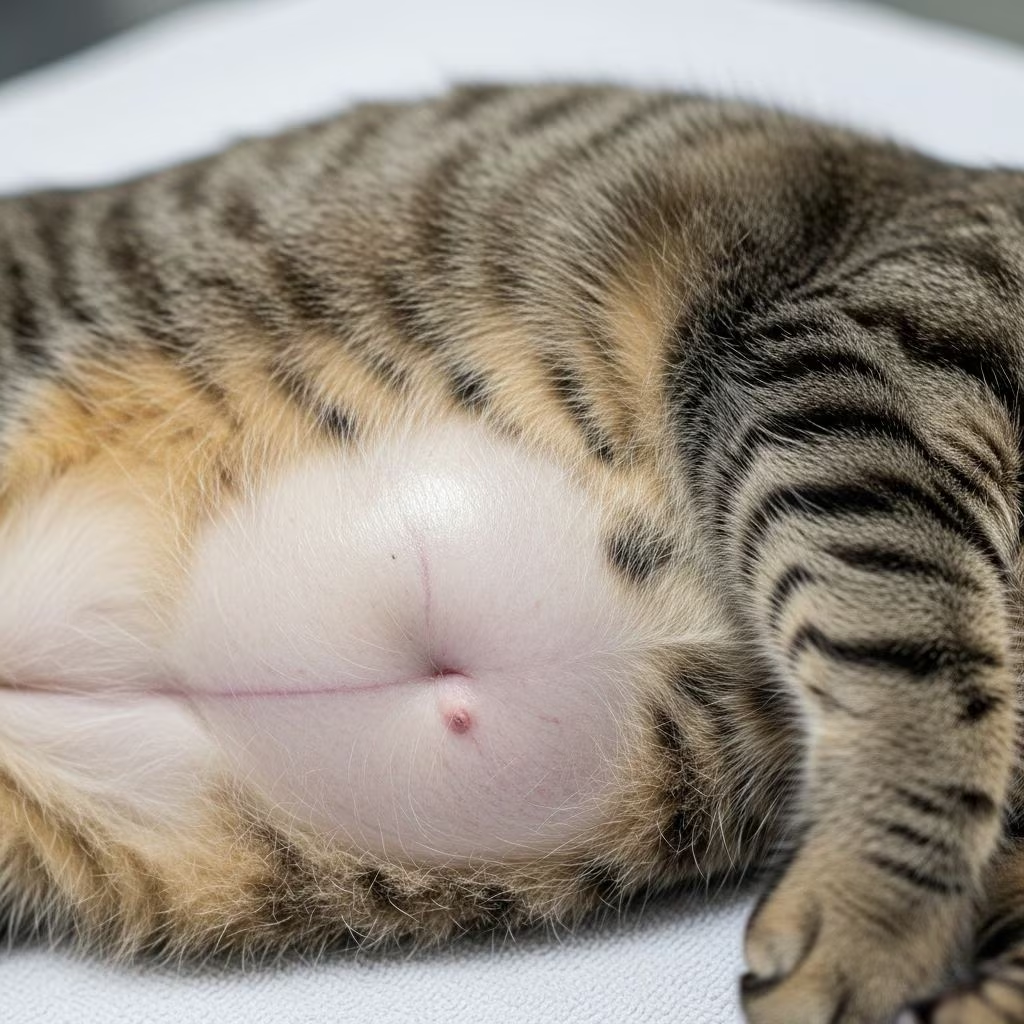
Ascites refers to the pathological accumulation of fluid within a cat’s abdominal cavity, often indicating underlying serious health issues such as heart failure, liver disease, infections, or cancer. While a small amount of fluid naturally lubricates organs in the abdomen, excessive buildup disrupts normal function and requires prompt veterinary attention.
What Is Ascites in Cats?
Every cat’s abdomen contains a minimal amount of fluid to cushion organs and facilitate smooth movement. This balance is maintained by intricate mechanisms involving blood vessels, lymphatics, and tissue pressures. Ascites occurs when this equilibrium is disturbed, leading to abnormal fluid accumulation that can range from subtle (detectable only via imaging) to severe (visibly distending the belly).
The fluid in ascites is typically a transudate (low protein) or exudate (high protein, often inflammatory), depending on the cause. In cats, this condition rarely arises in isolation; it signals systemic problems like hypoalbuminemia (low blood protein levels), portal hypertension, or vessel leakage. Early detection is crucial, as cats often mask symptoms until advanced stages.
What Are the Signs of Ascites in Cats?
Ascites manifests through visible and behavioral changes, varying with fluid volume and underlying cause. Key signs include:
- Abdominal swelling or distension: The most prominent symptom, creating a pot-bellied appearance, especially noticeable when the cat is standing.
- Discomfort or pain: Cats may show reluctance to lie down, adopt a hunched posture, or react sensitively when the abdomen is touched.
- Lethargy and weakness: Reduced energy levels due to discomfort, malnutrition, or organ compromise.
- Decreased appetite and weight loss: Fluid pressure compresses the stomach, leading to anorexia and rapid emaciation.
- Nausea and vomiting: Common as abdominal organs are displaced.
- Labored breathing or dyspnea: Large fluid volumes compress the diaphragm, restricting lung expansion; coughing may occur.
- Other signs: Pale gums (from anemia or shock), dehydration, or collapse in severe cases.
Small-volume ascites might be asymptomatic, discovered incidentally during exams for unrelated issues. Owners should monitor for subtle changes like reduced playfulness or hiding.
What Are the Causes of Ascites in Cats?
Ascites results from disruptions in fluid homeostasis, categorized by mechanism: increased production, decreased absorption, or vessel permeability issues. Common causes in cats include:
- Liver disease: Impaired albumin production (hypoalbuminemia) reduces oncotic pressure, pulling fluid into the abdomen. Causes: cholangiohepatitis, cirrhosis, toxins.
- Right-sided heart failure: Poor pumping elevates venous pressure, forcing fluid leakage (congestive heart failure).
- Feline Infectious Peritonitis (FIP): Viral infection causes exudative effusion, often pure or modified transudate.
- Trauma: Blunt injuries cause internal bleeding, bladder rupture, or vessel damage.
- Cancer (neoplasia): Tumors like hemangiosarcoma rupture or obstruct vessels; lymphoma common in cats.
- Peritonitis: Inflammation of peritoneal lining from infection or leakage.
- Hypoalbuminemia: From protein-losing enteropathy, nephropathy, or malnutrition.
- Lymphatic or vascular obstruction: Masses, thrombi, or congenital issues block drainage.
- Other: Urinary obstruction, coagulopathies, or severe systemic illness.
Diagnosis hinges on identifying the root cause, as treatment targets it primarily.
How Is a Diagnosis Made?
Veterinarians use a multi-step approach for accurate diagnosis:
- History and physical exam: Assess onset, diet, trauma history, vaccination status.
- Bloodwork: CBC for anemia/infection; biochemistry for liver/kidney function, albumin levels.
- Urinalysis: Checks protein loss or infection.
- Imaging: X-rays/ultrasound reveal fluid, organ size, masses.
- Abdominocentesis: Needle aspiration analyzes fluid type (transudate/exudate), cytology, culture for infection/malignancy.
Advanced tests like echocardiography (heart), biopsy, or FIP PCR may follow. Fluid analysis is pivotal: pure transudate suggests hypoalbuminemia/heart failure; exudates indicate FIP/peritonitis.
Treatment of Ascites in Cats
Treatment focuses on the underlying cause while managing fluid overload:
- Therapeutic paracentesis: Drains fluid for relief; repeated as needed under sedation.
- Diuretics: Furosemide promotes urine output, reducing fluid.
- Specific therapies: Antibiotics for infection, chemo for cancer, antivirals/supportive for FIP.
- Surgery: For tumors, bladder repair, or shunts.
- Supportive care: IV fluids, oxygen, nutrition, plasma transfusions for low proteins.
Prognosis varies: good for trauma if treated early; poor for advanced FIP/cancer.
FAQ
Q: Is ascites in cats always visible?
A: No, small amounts may only show on X-rays; large volumes cause obvious swelling.
Q: Can ascites resolve on its own?
A: Rarely; it signals serious issues needing veterinary intervention.
Q: What is the most common cause of ascites in cats?
A: FIP in young cats; heart/liver disease in older ones.
Q: How much does treatment cost?
A: Varies; diagnostics $500+, drainage $200-500, ongoing meds higher.
Q: Can diet prevent ascites?
A: Low-sodium diets help heart failure; address root causes primarily.
Prevention of Ascites in Cats
While not always preventable, strategies include:
- Vaccinate against FIP risks (though not fully effective).
- Regular vet checkups for early disease detection.
- Avoid toxins (lilies, antifreeze).
- Monitor for trauma; keep indoors.
- Balanced diet to support liver/kidney health.
Owners should seek immediate care for belly swelling or lethargy.
References
- Ascites in Cats: Causes, Symptoms, and Treatment — PetCareRx. 2023. https://www.petcarerx.com/article/ascites-in-cats-causes-symptoms-and-treatment/6800
- Ascites in Cats (Abdominal Fluid Buildup): Our Vet Explains Signs — Catster. 2024-01-15. https://www.catster.com/ask-the-vet/ascites-in-cats/
- Ascites in Cats — PetMD. 2023-05-10. https://www.petmd.com/cat/conditions/cardiovascular/ascites-cats
- Abdominal Issues: Ascites in Cats — PetPlace.com. 2022-11-20. https://www.petplace.com/article/cats/pet-health/ascites-in-cats
- Fluid in the Abdomen Fact Sheet — Davies Veterinary Specialists. 2023. https://www.vetspecialists.co.uk/fact-sheets-post/fluid-in-the-abdomen-fact-sheet/



