

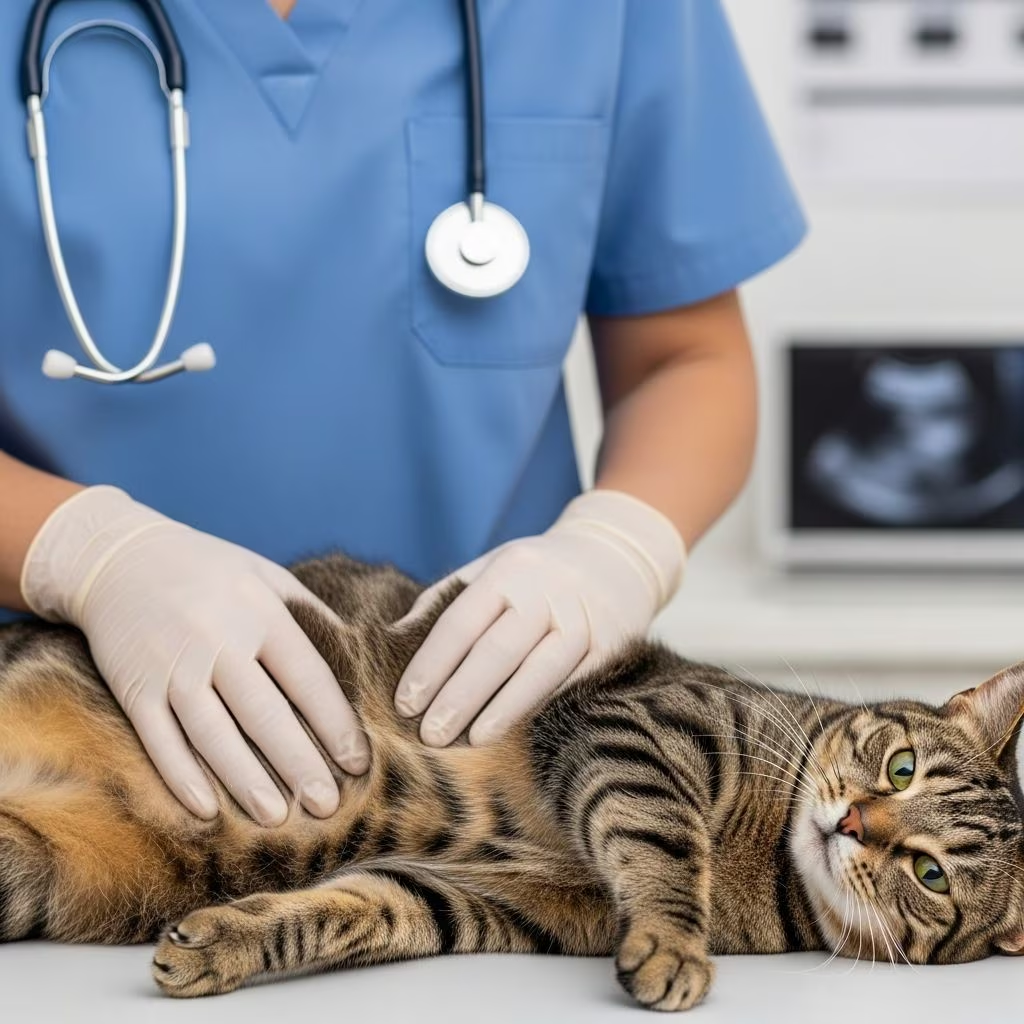
Fluid accumulation in a cat’s abdominal cavity, known as ascites, signals an underlying health crisis that demands prompt veterinary attention. This condition compresses vital organs, leading to discomfort and potentially life-threatening complications if not addressed swiftly.
Recognizing the Signs of Abdominal Fluid Buildup
Owners often first notice a distended abdomen resembling pregnancy or overeating, but ascites stems from pathological fluid retention rather than fat or contents. Early detection hinges on observing subtle shifts in behavior and physiology.
- Abdominal swelling: Progressive enlargement, especially firm or taut to the touch, distinguishes it from simple bloating.
- Respiratory distress: Fluid pressure on the diaphragm hampers breathing, causing rapid shallow breaths or open-mouth panting.
- Appetite and weight changes: Reduced eating coupled with paradoxical weight gain from fluid, or rapid loss if chronic illness contributes.
- Behavioral shifts: Lethargy, reluctance to move, or pain during petting signals internal pressure.
- Gastrointestinal issues: Vomiting, diarrhea, or constipation arise as fluid displaces digestive organs.
Small volumes may evade notice without imaging, underscoring the need for routine veterinary checkups in at-risk cats.
Common Underlying Causes of Feline Ascites
Ascites rarely occurs in isolation; it reflects systemic failures. Identifying the root cause guides effective intervention.
| Cause Category | Description | Key Mechanisms |
|---|---|---|
| Cardiac Issues | Right-sided heart failure | Increased venous pressure leaks fluid into peritoneum |
| Hepatic Disorders | Liver failure or cirrhosis | Reduced albumin production lowers oncotic pressure |
| Renal Problems | Kidney disease or rupture | Impaired filtration causes hypoproteinemia or direct leakage |
| Infectious/Inflam. | Peritonitis, FIP | Inflammation or infection permeates vessel walls |
| Neoplastic | Tumors or cancers | Masses obstruct vessels or secrete fluid |
| Trauma | Bladder/organ rupture | Direct hemorrhage or urine spillage |
Less frequent triggers include pancreatitis, hypoproteinemia from malnutrition, or coagulopathies leading to internal bleeding.
Step-by-Step Veterinary Diagnostic Approach
Diagnosis begins with a meticulous history and physical exam, progressing to targeted tests for precision.
Initial Assessment
Veterinarians palpate the abdomen for fluid waves, pain, or masses, while auscultating for muffled heart/lung sounds. History probes recent trauma, diet changes, toxin exposure, or breed predispositions.
Laboratory Evaluations
- Complete Blood Count (CBC): Detects anemia from hemorrhage or infection via white cell shifts.
- Biochemistry Panel: Reveals liver/kidney markers, electrolyte imbalances, and low proteins.
- Urinalysis: Assesses kidney function, proteinuria, or infection.
- Specific Tests: Bile acids for liver function, lipase for pancreatitis.
Imaging Modalities
Radiographs confirm fluid (ground-glass abdomen) and screen organs, though heavy effusion obscures details. Ultrasound excels, enhancing organ visualization amid fluid for masses or structural defects.
Fluid Analysis: The Diagnostic Cornerstone
Abdominocentesis extracts fluid for cytologic, protein, and culture analysis, classifying it as transudate (low protein/cell, portal hypertension), exudate (high protein/cell, inflammation), hemorrhagic, or neoplastic. This test often pinpoints the etiology and predicts prognosis—larger volumes correlate with poorer outcomes.
Advanced steps like echocardiography for heart disease or biopsies via ultrasound guidance follow if needed.
Immediate Management and Long-Term Therapies
Treatment targets the cause while alleviating symptoms. Rapid-onset ascites warrants emergency care.
- Therapeutic Drainage: Removes fluid to ease breathing, repeated as needed under sedation.
- Diuretics: Promote urine output to reduce fluid, cautiously to avoid dehydration.
- Supportive Care: IV fluids, oxygen, antibiotics for infections, or colloids for hypoproteinemia.
Cause-specific interventions include surgery for tumors/ruptures, heart medications, or immunosuppressants for FIP. Prognosis varies; pure transudates from reversible issues fare better than septic or malignant effusions.
Preventive Strategies for Cat Owners
Minimize risks through balanced nutrition, parasite control, toxin avoidance, and prompt care for illnesses. Breeds like Maine Coons (heart risks) or Persians (kidney issues) benefit from screenings.
Frequently Asked Questions (FAQs)
What does ascites look like in cats?
A rounded, fluid-filled belly, often with breathing trouble and lethargy.
Is ascites in cats always fatal?
No, but it indicates serious disease; early diagnosis improves survival.
How much does diagnosing cat ascites cost?
Initial exams and tests range $300–$1000; advanced imaging adds more.
Can home remedies help cat ascites?
No—seek veterinary care immediately; supportive care requires professionals.
How quickly does ascites develop in cats?
Gradually in chronic cases, acutely in trauma or rupture.
Prognostic Factors and Owner Guidance
Effusion volume, fluid type, and organ involvement dictate outlook. Subjective ultrasound assessments aid quick prognostication without specialists. Owners should monitor post-treatment for recurrence, ensuring follow-ups.
References
- Ascites in Cats – North Toronto Cat Rescue — Nomi Berger. Accessed 2026. https://northtorontocatrescue.com/ascites-in-cats/
- Abdominal Issues: Ascites in Cats — PetPlace.com. Accessed 2026. https://www.petplace.com/article/cats/pet-health/ascites-in-cats
- Ascites in Cats — PetMD. Accessed 2026. https://www.petmd.com/cat/conditions/cardiovascular/ascites-cats
- Feline Peritoneal Effusions—A Poor Prognosis? — PMC (NCBI). 2024. https://pmc.ncbi.nlm.nih.gov/articles/PMC12649485/
- Fluid in the Abdomen Fact Sheet — Davies Veterinary Specialists. Accessed 2026. https://www.vetspecialists.co.uk/fact-sheets-post/fluid-in-the-abdomen-fact-sheet/



