

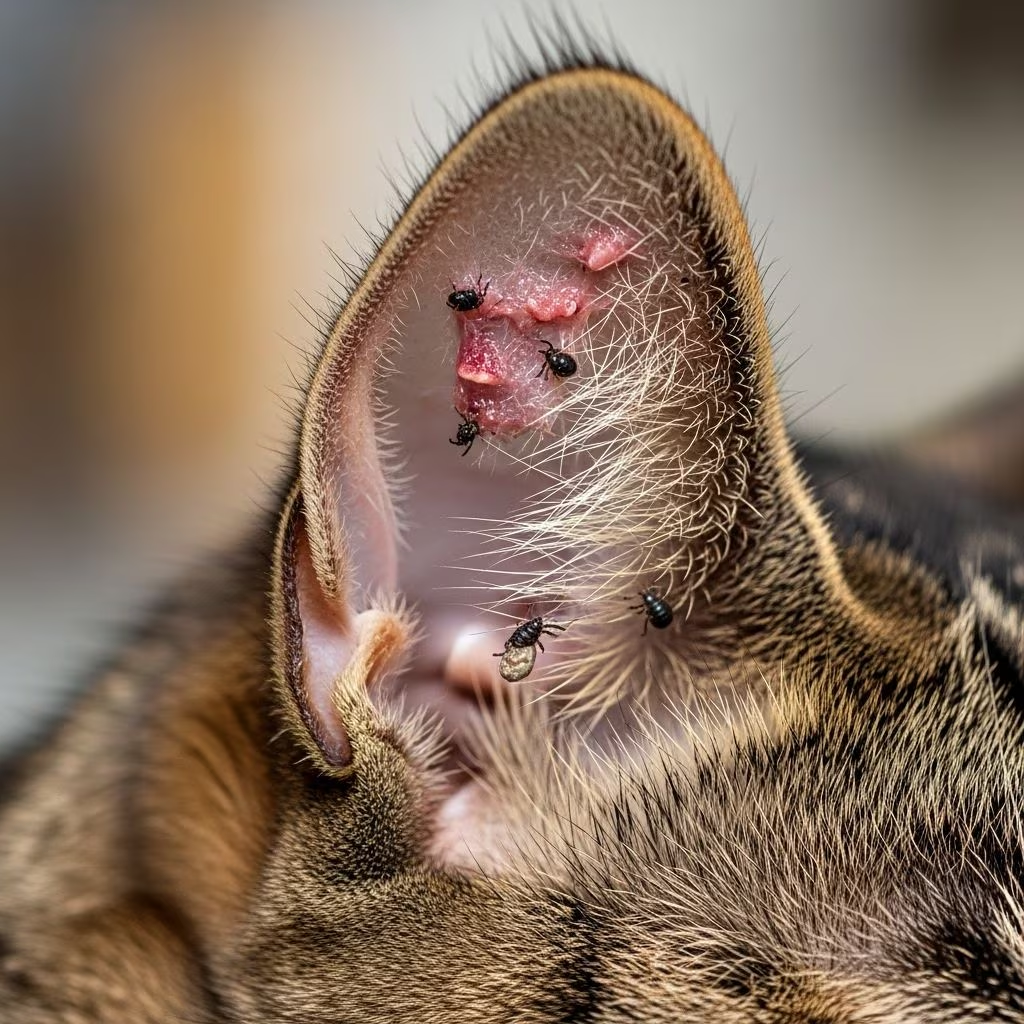
The visible ear flaps, or pinnae, of dogs and cats are frequent targets for biting arthropods such as fleas, mites, and flies. These pests trigger inflammatory skin reactions known as pinnal dermatitis, leading to discomfort, scratching, and potential secondary infections. Early recognition and intervention are crucial for preventing chronic damage.
Common Culprits Behind Ear Flap Bites
Arthropods responsible for pinnal dermatitis vary by environment and host species. Fleas often initiate allergic responses, while sarcoptic and demodectic mites burrow or infest the skin directly. Flies target moist or wounded areas, exacerbating lesions.
- Fleas: Ctenocephalides felis and canis species cause hypersensitivity in sensitive pets, with bites concentrating on thin-skinned pinnae.
- Sarcoptic Mites: Sarcoptes scabiei var. canis leads to intense itching, starting at ear margins before spreading.
- Demodectic Mites: Demodex canis affects hair follicles, resulting in alopecia and crusting primarily in young or immunocompromised animals.
- Harvest Mites: Trombiculid larvae attach to ear edges in fall, provoking bright red papules.
- Flies: Stable flies and black flies bite exposed flaps, especially outdoors.
These pests thrive in warm, humid conditions, making seasonal outbreaks common.
Recognizing Clinical Manifestations
Symptoms appear rapidly after bites, progressing from mild irritation to severe dermatitis if untreated. Initial signs include erythema and pruritus, evolving into papules, excoriations, and hyperpigmentation.
| Stage | Symptoms | Affected Areas |
|---|---|---|
| Acute | Redness, swelling, small bumps | Ear tips and margins |
| Subacute | Crusting, alopecia, scratching wounds | Entire flap, concave side |
| Chronic | Thickened skin, lichenification, secondary bacterial infection | Pinnae and adjacent skin |
Dogs with flea allergy dermatitis (FAD) exhibit the classic pinnal-pedal reflex, where rubbing the ear margin elicits hind leg kicking. Cats may show head shaking and facial rubbing. Severity correlates with bite load and host sensitivity.
Factors Influencing Susceptibility
Not all pets react equally; allergic predispositions amplify responses. Breeds like Dachshunds and Retrievers show higher pinnal vulnerability due to flap conformation. Outdoor access increases exposure, while poor grooming traps pests.
- Immunosuppression from age, stress, or disease heightens infestation risk.
- Concurrent conditions like hypothyroidism mimic or worsen arthropod reactions.
- Environmental factors: High flea populations in yards or multi-pet homes.
Diagnostic Approaches for Accurate Identification
Veterinarians employ a stepwise process to confirm arthropod involvement and rule out differentials like vasculitis or fungal infections.
- History and Exam: Note travel, flea exposure, and pinnal-pedal response.
- Skin Scrapings: Deep scrapes detect mites; acetate tape preps reveal fleas or eggs.
- Cytology: Examines exudate for bacteria or yeast overgrowth.
- Biopsy: Histopathology distinguishes hypersensitivity from other dermatoses, showing eosinophilic infiltrates.
- Flea Combing: Collects adults for microscopic ID.
Trial ectoparasiticides can support diagnosis if direct evidence is absent.
Treatment Strategies: Ectoparasite Control First
Eliminating the source is paramount. Modern protocols combine topical and systemic agents for comprehensive coverage.
- Topicals: Fipronil, imidacloprid, or selamectin spot-ons kill fleas and mites on contact.
- Systemic: Oral isoxazolines like fluralaner provide month-long protection.
- Environmental: Vacuuming, washing bedding, and premise sprays break flea life cycles.
For sarcoptic mange, lime-sulfur dips or milbemycin oxime are effective.
Managing Inflammation and Itch
Symptomatic relief accelerates healing and prevents self-trauma.
| Therapy Type | Examples | Dosage Notes |
|---|---|---|
| Antihistamines | Diphenhydramine | 2 mg/kg BID |
| Glucocorticoids | Prednisone | 0.5-1 mg/kg taper over 2 weeks |
| Apoquel | Oclacitinib | 0.4-0.6 mg/kg BID then SID |
| Cyclosporine | Atopica | 5 mg/kg SID |
Ointments with hydrocortisone soothe acute flares, but avoid prolonged use to prevent atrophy.
Preventive Measures for Long-Term Protection
Year-round prophylaxis minimizes recurrences. Recommend monthly preventives, regular grooming, and yard treatments. Monitor high-risk pets with titer checks for heartworm combos that include flea control.
- Indoor confinement during peak insect seasons.
- Collars with flumethrin for fly-prone areas.
- Nutritional support: Omega-3 supplements reduce inflammation.
Complications and When to Escalate Care
Untreated cases risk bacterial pyoderma, otitis externa, or necrosis. Watch for fever, lethargy, or spreading lesions indicating systemic involvement. Surgical pinnectomy is rare but considered for end-stage necrosis.
Species-Specific Considerations
Dogs dominate cases due to floppy ears trapping debris, but cats suffer silently with ear tip scabs from flies. Ferrets and rabbits show similar patterns, adapting treatments accordingly.
FAQs
Can flea bites alone cause ear flap baldness?
Yes, chronic FAD leads to self-induced alopecia from vigorous scratching.
How long until symptoms resolve post-treatment?
1-2 weeks with proper parasite control and anti-inflammatories.
Is pinnal dermatitis contagious to humans?
Sarcoptic mites can transmit briefly; others do not.
What home remedies help mild cases?
Epsom salt soaks and oatmeal baths ease itch, but vet consult is essential.
Do vaccines trigger similar ear issues?
Rarely, via vasculitis mimicking arthropod reactions; monitor post-vaccination.
Integrating these strategies restores ear health, enhancing pet quality of life. Consult a veterinarian for tailored plans.
References
- Top 5 Conditions Affecting the Pinnae in Dogs & Cats — Clinician’s Brief. 2019-08. https://www.cliniciansbrief.com/article/top-5-conditions-affecting-pinnae
- Canine vasculitis with Pinnal Lesions in a Dog — DermaVet. N/A. https://pro.dermavet.com/pinnal-lesions-in-a-dog/
- Idiopathic Keratinization Disorders: Canine Ear Margin Dermatosis — University of Minnesota Open Textbook. N/A. https://open.lib.umn.edu/animaldermatology2/chapter/idiopathic-keratinization-disorders-canine-ear-margin-dermatosis/
- Disorders of the Outer Ear in Dogs — MSD Veterinary Manual. N/A. https://www.msdvetmanual.com/dog-owners/ear-disorders-of-dogs/disorders-of-the-outer-ear-in-dogs
- Miscellaneous Diseases of the Pinna in Dogs and Cats — Merck Veterinary Manual. N/A. https://www.merckvetmanual.com/ear-disorders/diseases-of-the-pinna/miscellaneous-diseases-of-the-pinna-in-dogs-and-cats
- Pinnal diseases — PubMed. 1994. https://pubmed.ncbi.nlm.nih.gov/7817492/



