

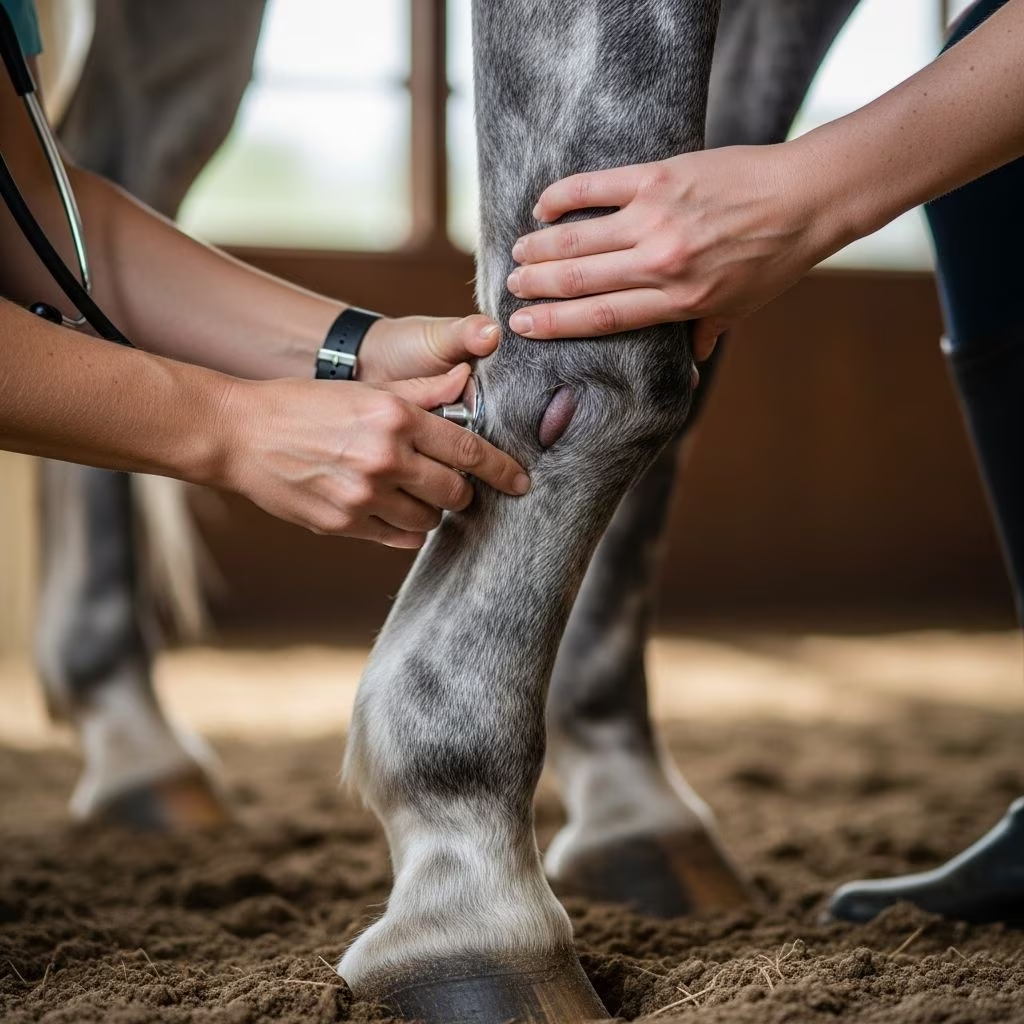
Understanding Arthritis in Horses
Arthritis is one of the most common conditions affecting horses today, particularly those engaged in work or athletic activities. This degenerative joint disease causes inflammation, pain, and progressive damage to the cartilage within joints, leading to reduced mobility and performance issues. Understanding the nature of arthritis is essential for horse owners who want to provide the best care for their animals.
The condition manifests when the protective cartilage lining the joints begins to break down, causing the bones to rub together. This friction generates inflammation and pain, which can significantly impact a horse’s quality of life. Early detection and appropriate management are crucial to slowing disease progression and maintaining your horse’s comfort and function.
Causes of Arthritis in Horses
Arthritis in horses develops through multiple pathways, with different types of arthritis stemming from distinct causes:
Degenerative Joint Disease (DJD) and Osteoarthritis
The most common form of arthritis in horses is degenerative joint disease, also known as osteoarthritis (OA). This chronic condition typically develops from wear and tear over time, making it particularly prevalent in horses with intensive work histories. The repetitive stress of years of hard work gradually breaks down the joint structures.
Joint Trauma and Injury
Joint trauma is the leading cause of arthritis development in equines. This includes both acute injuries from falls, collisions, or missteps, as well as cumulative damage from repetitive stress during athletic training and competition. Even minor joint injuries that seem to heal completely can trigger inflammatory processes that eventually lead to arthritis.
Infection
Septic arthritis occurs when infection enters a joint space, causing acute inflammation and damage. Infected wounds or systemic infections that spread to the joints can result in this serious form of arthritis requiring immediate veterinary attention.
Immune-Mediated Disease
In some cases, the immune system attacks joint tissues, leading to inflammatory arthritis. These immune-mediated conditions represent a smaller percentage of arthritis cases but require specific diagnostic and treatment approaches.
Recognizing Symptoms of Equine Arthritis
Identifying arthritis early significantly improves treatment outcomes. Horse owners should watch for these common signs:
- Swollen or enlarged joints
- Stiffness, especially after rest or during cold weather
- Uneven gait or lameness
- Shortened stride length
- Reluctance to perform previously normal activities
- Reduced willingness to turn, stop, or jump
- Visible discomfort when moving
In many cases, by the time a horse displays obvious lameness, the arthritis is already advanced. This makes subtle changes in movement and behavior important indicators for early intervention. Horses with arthritis may also show personality changes, becoming less willing to engage in work or appearing irritable due to chronic pain.
Diagnosis of Arthritis in Horses
Proper diagnosis requires a comprehensive veterinary evaluation. Your veterinarian will begin with a thorough physical examination, including observation of the horse’s gait and movement patterns. They will palpate the joints, looking for heat, swelling, and pain responses that indicate inflammation.
Advanced diagnostic imaging helps confirm arthritis and assess its severity. Radiographs (X-rays) are the standard imaging tool, revealing joint space narrowing, bone spur formation, and cartilage erosion. Ultrasound imaging provides detailed views of soft tissue structures within and around affected joints. In some cases, arthrocentesis (joint fluid analysis) may be performed to evaluate the synovial fluid composition and rule out septic arthritis.
Treatment Options for Arthritis in Horses
Because arthritis cannot be reversed in most cases, the primary treatment goal focuses on reducing inflammation and managing pain to improve your horse’s comfort and mobility. Treatment is often multimodal, combining several approaches for maximum effectiveness.
Non-Steroidal Anti-Inflammatory Drugs (NSAIDs)
NSAIDs represent the standard pharmaceutical approach to arthritis management. The most commonly used options include phenylbutazone (Bute), firocoxib (Equioxx®), flunixin meglumine (Banamine), and ketoprofen. These medications effectively reduce inflammation and provide pain relief, making them ideal for maintaining comfort during the early stages of arthritis.
Studies have shown that firocoxib is as effective as Bute in reducing lameness associated with arthritis and may lead to greater improvement in range of motion. Because of this, firocoxib may be a better option for long-term pain management. However, long-term NSAID use can result in side effects including gastric ulcers, kidney dysfunction, and right dorsal colitis, so veterinary monitoring is essential.
Topical NSAIDs
Topical NSAIDs offer an alternative to traditional oral medications. Diclofenac sodium (Surpass®) can be applied directly to affected joints, providing localized anti-inflammatory benefits with low systemic absorption. This approach reduces the potential for gastrointestinal side effects associated with oral NSAIDs. Topical medications like salves and liniments also stimulate blood flow and provide cooling or heating sensations that offer comfort.
Corticosteroid Injections
Corticosteroid injections deliver powerful anti-inflammatory medication directly into the joint space. These injections reduce swelling and provide longer-lasting pain relief compared to oral NSAIDs, often requiring administration only every 6 to 12 months. Direct intra-articular injection is the most potent way to curb inflammation and reduce pain, making it especially valuable for early treatment that can prevent OA progression or slow the rate of degenerative disease advancement.
Joint Injections with Hyaluronic Acid
Hyaluronic acid improves the lubricating properties of joint fluid, reducing friction and pain. These injections help preserve joint function and slow progression, particularly valuable for early-stage arthritis management.
Advanced Regenerative Therapies
Autologous Conditioned Serum (ACS/IRAP) represents a cutting-edge regenerative approach. Clinical studies report improved synovial membrane health, stimulation of natural IRAP® production, and improvements in lameness scores in horses treated with ACS. This therapy harnesses the horse’s own biological healing mechanisms to repair damaged joint tissue.
Platelet-Rich Plasma (PRP) involves filtrating blood plasma to create a higher concentration of platelets than whole blood. These concentrated platelets release growth factors that promote tissue repair and regeneration. One study indicated that intra-articular injection of autologous platelet concentrate significantly improved lameness and joint range of motion in horses with mild joint disease.
Mesenchymal Stem Cells (MSCs) are adult stem cells derived from fat or bone marrow. Stem cell treatment has been used in soft tissue injuries for some time to regenerate and repair damaged tissue. Recently, veterinarians have begun using stem cells to treat equine arthritis with some encouraging preliminary data, though more research is needed to fully understand their effectiveness.
Extracorporeal Shockwave Therapy (ESWT)
This treatment involves directing energy waves at specific sites on the horse’s body. One study showed that ESWT treatment improved lameness and indicators of joint disease. However, more research is needed to assess the effectiveness of this treatment compared to other common treatment options.
Pulsed Electromagnetic Field (PEMF) Therapy
PEMF therapy is designed to reduce inflammation, increase blood circulation, stimulate the release of endorphins (pain-relieving hormones), aid in the repair of damaged tissue, and improve joint function. At this time, there are no known side effects associated with PEMF therapy, and it can be used in conjunction with other arthritis treatments.
Nutritional Support and Supplements
Proper nutrition plays a vital role in managing arthritis and supporting joint health. Key nutrients that support cartilage health and reduce inflammation include:
- Glucosamine and Chondroitin: These compounds support cartilage structure and may slow degradation
- MSM (Methylsulfonylmethane): Helps reduce inflammation and supports connective tissue integrity
- Omega-3 Fatty Acids (EPA & DHA): Provide anti-inflammatory benefits
- Antioxidants: Help combat oxidative stress in damaged joints
- Balanced Vitamins and Minerals: Support overall joint metabolism and repair processes
Anti-inflammatory pharmaceuticals and nutritional supplements work together to alleviate symptoms and improve mobility and quality of life. A comprehensive nutritional approach, guided by your veterinarian, ensures your horse receives appropriate support for their specific condition.
Management Strategies Beyond Treatment
Successful arthritis management extends beyond medication and supplements to encompass lifestyle modifications:
Exercise and Rest
Depending on the location and severity of your horse’s arthritis, appropriate exercise as advised by your veterinarian can be beneficial in reducing stiffness. However, rest and relaxation are equally important, particularly during acute inflammation phases. A balanced approach prevents further joint damage while maintaining conditioning.
Specialized Trimming and Shoeing
Management of horses with OA should include specialized trimming and shoeing to optimize weight distribution and reduce stress on affected joints. Proper farrier work can significantly impact comfort and performance.
Weight Management
For overweight horses, weight loss reduces stress on joints and can substantially improve comfort levels. This is particularly important for horses with arthritis in the limbs or lower back.
Comparing Common Arthritis Treatments
| Treatment Type | Administration Method | Onset Time | Duration | Key Benefits |
|---|---|---|---|---|
| NSAIDs (Bute, Equioxx) | Oral medication | 1-2 hours | 8-12 hours | Easy to administer, cost-effective |
| Corticosteroid Injections | Intra-articular injection | 24-48 hours | 6-12 months | Long-lasting relief, potent inflammation control |
| Hyaluronic Acid | Intra-articular injection | 2-4 weeks | 3-6 months | Improves lubrication, preserves function |
| PRP/IRAP | Intra-articular injection | 2-4 weeks | Variable | Regenerative, anabolic properties |
| Stem Cells | Intra-articular injection | 4-8 weeks | Variable | Tissue regeneration, long-term repair |
Frequently Asked Questions About Horse Arthritis
Q: Can arthritis in horses be cured?
A: No, arthritis cannot be reversed or cured in most cases. However, with proper treatment and management, progression can be slowed significantly, and pain can be effectively controlled to maintain quality of life and performance.
Q: At what age do horses typically develop arthritis?
A: Arthritis can develop at any age, depending on the cause. Athletic horses may develop early OA in their teenage years due to wear and tear, while other horses may not show signs until later in life. Early OA is a common cause of lameness and poor performance in younger horses.
Q: Is it safe to ride a horse with arthritis?
A: This depends on the severity and location of the arthritis, as well as individual factors. Many horses with well-managed arthritis can continue light to moderate work. Always consult with your veterinarian about appropriate activity levels for your specific horse.
Q: How often should arthritis treatment be administered?
A: This varies by treatment type. Oral NSAIDs may be given daily, while corticosteroid injections typically need administration every 6-12 months. Your veterinarian will recommend the appropriate schedule based on your horse’s individual response to treatment.
Q: What is the cost of treating horse arthritis?
A: Costs vary depending on the treatment approach chosen. Basic NSAID therapy is relatively inexpensive, while advanced regenerative treatments like stem cells or PRP can be significantly more costly. Your veterinarian can discuss budget-friendly options that suit your circumstances.
Q: Can arthritis be prevented?
A: While you cannot completely prevent arthritis, you can reduce the risk through proper conditioning, appropriate weight management, correct trimming and shoeing, and prompt treatment of joint injuries.
References
- Arthritis in Horses: Symptoms, Diagnosis, Treatment & Management — Mad Barn. 2024. https://madbarn.ca/arthritis-in-horses/
- Horse Arthritis Treatment – What Are Your Options — Animal Therapeutics Australia. 2024. https://animaltherapeutics.com.au/horse-arthritis-treatment/
- Prevention and Treatment for Arthritis in Horses — West Vets Australia. 2024. https://www.westvets.com.au/prevention-and-treatment-for-arthritis-in-horses/
- Osteoarthritis — School of Veterinary Medicine, University of California Davis. 2024. https://ceh.vetmed.ucdavis.edu/health-topics/osteoarthritis
- Arthritis and Degenerative Joint Disease — Park City Equine Center. 2024. https://www.parkcityequinecenter.com/horse-vet-blog/arthritis-and-degenerative-joint-disease
- Management of Osteoarthritis in the Equine Athlete — University of Illinois College of Veterinary Medicine. 2018. https://vetmed.illinois.edu/2018/10/24/management-oa-osteoarthritis-horses/
- Arthritis — The British Horse Society. 2024. https://www.bhs.org.uk/horse-care-and-welfare/health-care-management/horse-health/equine-diseases/arthritis/



